EMA Backs Biotech YH Plant GMP Remediation
by
Published
Views:
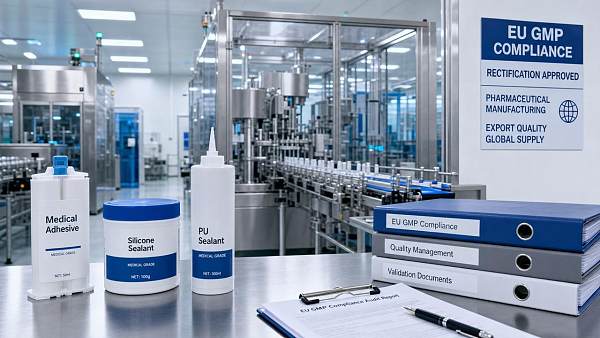
On June 14, 2026, Biotech disclosed that after its Yonghe plant underwent an EU GMP on-site inspection by France’s ANSM in February 2026, it has now received formal notice from the European Medicines Agency (EMA) that remediation of deficiency items related to the formulations section has been substantially accepted. For Chinese biopharma manufacturers, high-end formulation CDMOs, and suppliers linked to combination-product style materials such as medical adhesives, silicone encapsulation sealants, and PU sealants, this development is worth close attention because it clarifies a more workable compliance route for entering the EU market.
What has been formally confirmed
The confirmed facts are limited but important. According to the disclosed information, the Yonghe plant was inspected in February 2026 by France’s ANSM under the EU GMP framework. Biotech later announced on June 14, 2026 that it had received formal communication from EMA stating that remediation for deficiency items involving the formulations portion had been substantially accepted. The disclosed summary further indicates that this outcome represents a substantive breakthrough in a key GMP compliance barrier affecting exports by Chinese biopharma and high-end formulation CDMO companies to the EU market, and that it may serve as a reusable cGMP alignment reference for similar companies.
Why this matters across the supply chain
For formulation exporters and CDMO operators
From an industry perspective, the most direct impact is on companies whose EU market access depends on how regulators view plant-level GMP remediation and follow-up acceptance. The key business implication is not simply inspection completion, but whether corrective actions can reach a level regulators substantially accept. What deserves closer attention is how this affects export readiness, client confidence, and project continuity for formulation manufacturing aimed at Europe.
For suppliers serving drug-device related materials
The disclosed summary specifically highlights companies involved in materials such as medical adhesives, silicone encapsulation sealants, and PU sealants. Analysis shows these suppliers may be affected because their products can sit within quality-sensitive, compliance-intensive supply relationships tied to formulation manufacturing or combination-product style applications. The practical impact is likely to center on qualification standards, documentation expectations, and how customers assess whether upstream materials can support EU-facing compliance requirements.
For procurement and commercial teams
Procurement-side stakeholders may need to watch changes in supplier screening, audit preparation, and contract risk review. Observably, when a remediation pathway is recognized as substantially accepted, buyers and partners often focus more closely on whether a supplier can demonstrate stable documentation, inspection follow-through, and consistent communication around compliance status. In this case, the signal is especially relevant to teams evaluating China-based manufacturing capacity for EU-linked projects.
For supply chain service providers and delivery planning
Logistics, regulatory support, and external quality service providers may also see downstream effects in how customers plan submissions, delivery sequencing, and contingency arrangements. The main point is not that all constraints disappear, but that a clearer compliance route can change how risk is assessed across export preparation and execution.
What companies should watch next
Differentiate official acceptance from broader market conclusions
Analysis shows companies should avoid overstating the meaning of “substantially accepted.” The disclosed information confirms regulatory recognition of remediation in the formulations-related deficiency items, but businesses still need to distinguish between this official wording and broader assumptions about all products, all production lines, or all EU commercial outcomes.
Review supplier qualification and evidence packages
For manufacturers and material suppliers, a practical priority is the completeness of qualification files, deviation and CAPA records, and customer-facing compliance documentation. What deserves closer attention is whether internal records and external evidence are organized in a way that supports EU customer review, especially for businesses tied to sensitive formulation or drug-device related applications.
Prepare for customer communication around timelines and scope
Commercial and account teams should be ready to explain what has been accepted, which business areas are affected, and what remains subject to further verification. Observably, customers do not only look at the existence of a regulatory update; they also want clarity on scope, delivery implications, and whether any remaining uncertainties could affect project timing.
Track follow-up signals rather than relying on one announcement
From an operational perspective, this development is best used as a reference point, not a complete substitute for ongoing monitoring. Companies with EU-facing business should continue watching later official wording, customer audit expectations, and any practical changes in market access discussions tied to formulation exports and compliance-sensitive material supply.
How this signal is best understood now
Analysis shows this update is more appropriately understood as a meaningful regulatory signal rather than a fully closed industry outcome. It indicates that a Chinese manufacturer’s remediation route under EU GMP scrutiny can gain substantial regulatory acceptance, which matters for peers seeking a workable model. At the same time, it remains important to separate the existence of a reusable compliance reference from any assumption that all similar companies will obtain the same result under identical conditions.
A clearer route, but not the final word
The industry significance of this development lies in the fact that it gives the market a more concrete example of how EU GMP remediation can move from inspection findings toward substantial regulatory acceptance. For Chinese biopharma, advanced formulation CDMOs, and related material suppliers, the immediate value is not hype but clarity: the compliance pathway appears more legible than before. Current observation suggests this should be read as an important medium-term signal with practical relevance, while follow-up verification remains necessary.
About the basis of this article
This article is generated based on the user-provided news title, event date, and event summary. Information of this kind is commonly cross-checked against sources such as official notices, company announcements, industry association updates, authoritative media reports, and standards-related documents. A specific official source link was not provided in the input, so the exact source record still requires ongoing verification. If this topic continues to develop, the next points to watch are later official wording, any follow-up disclosure by the company, and how the market interprets the practical scope of this substantially accepted remediation outcome.
Recommended News
 Sep 12, 2026How to vet adhesive material sourcing suppliers for REACH complianceAdhesive material sourcing suppliers: learn how to verify REACH compliance, SVHC declarations, traceability, change controls, and documentation to reduce sourcing risk.
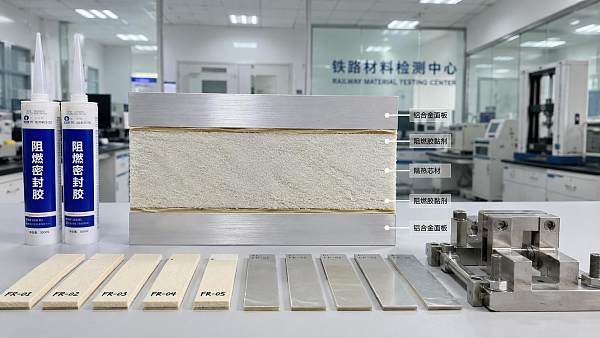
 Sep 07, 2026How to verify flame retardant adhesives for rail meet EN 45545-2Verify flame retardant adhesives for rail against EN 45545-2 with practical guidance on test reports, hazard levels, assembly scope, and production controls.
 Sep 02, 2026What is driving growth in the industrial adhesive technology market?Industrial adhesive technology market growth is driven by lightweighting, EVs, electronics, automation, and sustainable bonding solutions. Explore the key trends shaping demand.
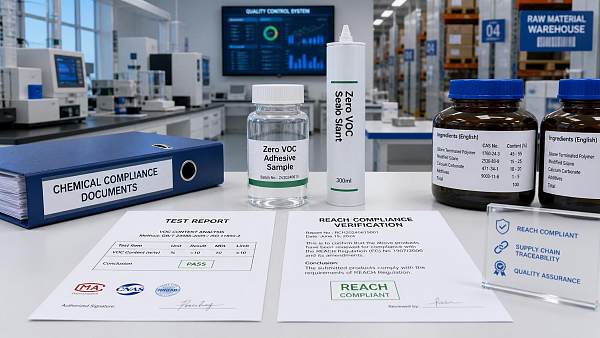
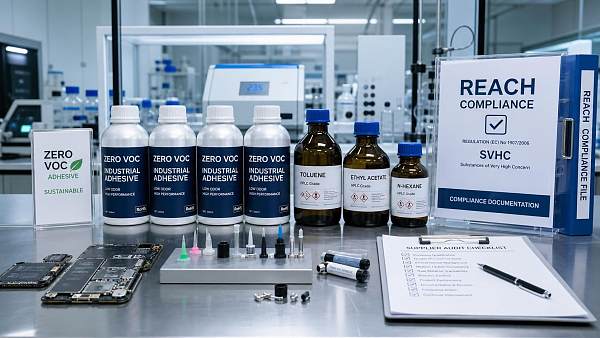
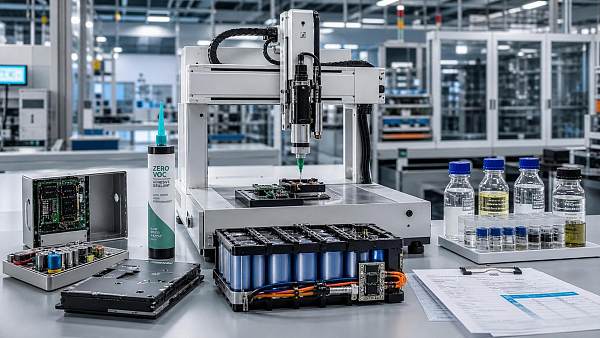
 Aug 26, 2026How to verify if a zero VOC adhesives supplier meets REACH needsZero VOC adhesives supplier verification starts with REACH evidence. Learn how to check SVHC status, SDS consistency, test records, and change control before you buy.
 Aug 20, 2026How to qualify rail vehicle floor bonding adhesives for fire safety complianceRail vehicle floor bonding adhesives qualification explained: learn how to verify fire safety compliance, EN 45545 fit, durability, and production control for reliable rail floor approval.
 Aug 16, 2026What zero VOC regulations mean for automotive materialszero VOC regulations automotive industry are reshaping material choices for EVs, interiors, adhesives, and coatings—learn what matters and make smarter, compliant decisions.
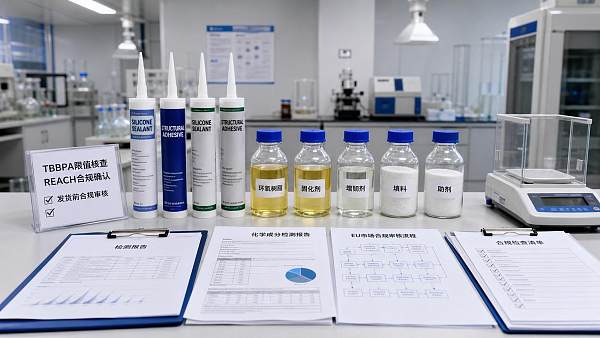
 Aug 14, 2026ECHA Updates REACH Annex XVII: TBBPA Restricted in Adhesives at 0.1%ECHA updates REACH Annex XVII: TBBPA is now restricted in adhesives at 0.1%. Learn what this means for sealants, compliance checks, and EU shipment risks.
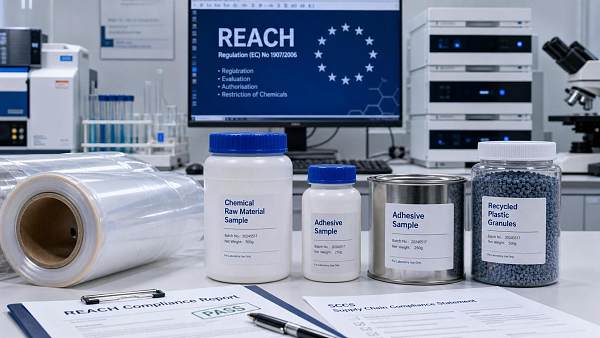
 Aug 13, 2026Germany Files REACH Bisphenol Restriction IntentGermany Files REACH Bisphenol Restriction Intent: learn how the new group-based REACH move may affect PVC, adhesives, films, and recycled materials, with key compliance risks to watch.
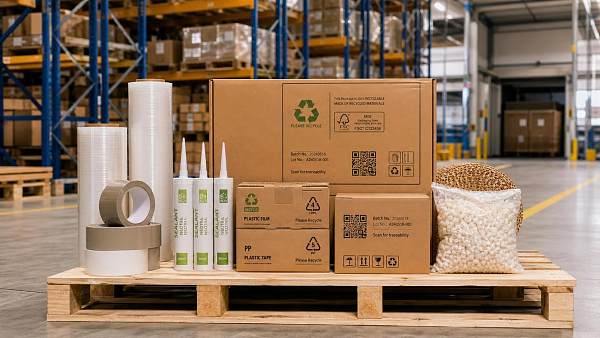
 Aug 12, 2026EU PPWR Takes Effect as Packaging Rules Tighten for Tapes and SealantsEU PPWR now tightens packaging rules for tapes and sealants. Learn how recycled content, labeling, DPP, and declarations can impact EU customs, costs, and delivery timelines.
 Aug 02, 2026How to Evaluate a Zero VOC Adhesive Supplier for REACH ComplianceZero VOC adhesive supplier evaluation starts with more than a green claim. Learn how to verify REACH compliance, SVHC disclosure, change control, and process-fit before you buy.
 Jul 17, 2026Adhesive Market Intelligence Germany: 2026 Cost, Demand, and Compliance SignalsAdhesive market intelligence Germany reveals 2026 cost, demand, and compliance signals shaping EV, electronics, and packaging decisions. Explore key trends driving smarter sourcing.
 Jul 17, 2026ECHA Adds 5 SVHCs Affecting Sealants and PottingECHA Adds 5 SVHCs Affecting Sealants and Potting: learn how the July 16 update impacts EU compliance, importer readiness, and supply-chain declarations for sealants, encapsulants, and PU potting.
 Jul 15, 2026Low Emission Bonding Materials and Indoor Air Risk in 2026Low emission bonding materials are reshaping indoor air risk control in 2026. Explore how smarter adhesive choices improve compliance, cleaner production, and brand trust.
 Jul 15, 2026Low Emission Bonding Materials: What to Check Before SpecifyingLow emission bonding materials: learn what to check before specifying, from emissions data and curing to compliance and line fit, for safer, cleaner, and more reliable production.
 Jul 14, 2026Adhesive Material Sourcing for Automotive: Key Risk ChecksAdhesive material sourcing for automotive starts with risk control. Learn how to verify performance, compliance, process fit, and supplier stability before approval.
 Jul 13, 2026How to Evaluate an Electronic Packaging Adhesive SupplierElectronic packaging adhesive supplier evaluation starts with application fit, compliance, support, and supply stability. Learn how to compare suppliers and reduce sourcing risk.
 Jul 12, 2026Electronic Adhesives Supplier Checklist for Stable Quality and Lead TimeElectronic adhesives supplier checklist for stable quality and lead time. Compare batch consistency, compliance, process fit, and true cost to choose a reliable partner with confidence.
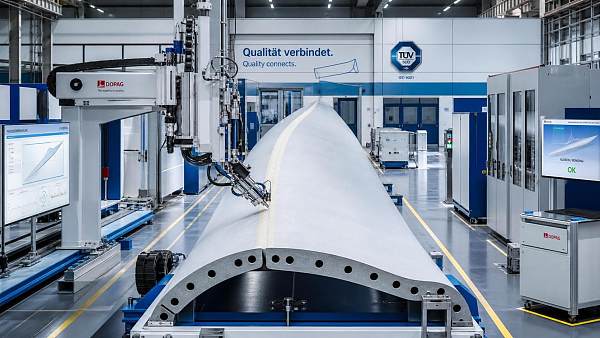
 Jul 11, 2026Wind Energy Adhesive Bonding Germany: 2026 Supply and Compliance TrendsWind energy adhesive bonding Germany enters a decisive 2026 phase shaped by supply resilience, compliance, automation, and process control. Explore the trends affecting qualification speed and factory performance.
 Jul 09, 2026Adhesive Market Trends Report 2026: Cost, Regulation, and Demand ShiftsAdhesive market trends report 2026 reveals how cost volatility, tighter regulation, and shifting demand are reshaping adhesives, sourcing, and automation decisions. Read key risks and growth signals.
![]() Jul 07, 2026Automotive Adhesive Bonding in Germany: 2026 Compliance and Production TrendsAutomotive adhesive bonding Germany enters a new 2026 phase shaped by compliance, automation, and EV production demands. Discover key trends, approval signals, and sourcing insights.
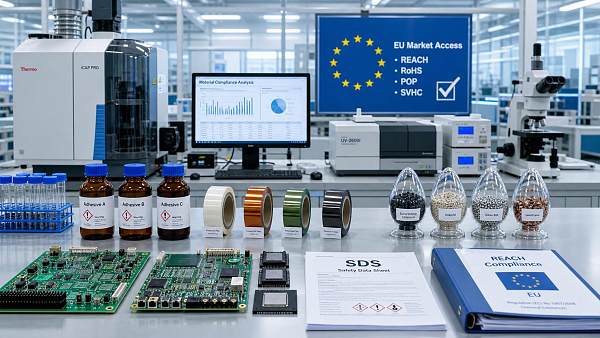
Jul 07, 2026Automotive Adhesive Bonding in Germany: 2026 Compliance and Production TrendsAutomotive adhesive bonding Germany enters a new 2026 phase shaped by compliance, automation, and EV production demands. Discover key trends, approval signals, and sourcing insights. Jul 05, 2026REACH Compliance for Electronics Materials: Key Risks Before Market EntryREACH compliance electronics materials: uncover SVHC, supplier, and documentation risks before EU entry. Learn how to prevent delays, requalification costs, and launch setbacks.
 Jul 02, 2026Zero VOC Adhesive Formulations: Compliance Limits and Performance TradeoffsZero VOC adhesive formulations explained: compare compliance limits, curing, viscosity, bonding strength, and hidden process tradeoffs to choose safer, high-performance solutions.
 Jul 02, 2026Asia Pacific Adhesive Market Trends in 2026: Demand, Pricing, and Capacity ShiftsAdhesive market trends Asia Pacific in 2026 reveal how demand, pricing, and capacity are shifting toward high-spec, process-ready materials. Explore key risks, growth pockets, and supplier insights.
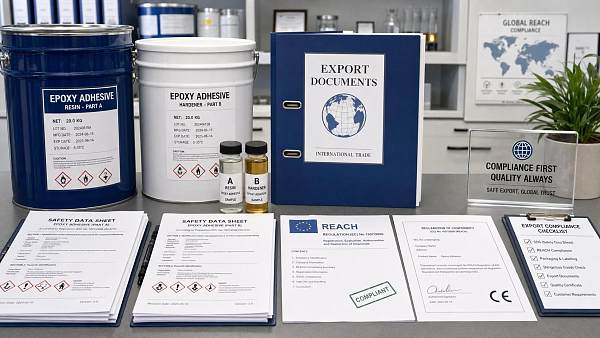
 Jun 29, 2026REACH Compliance Risks in Adhesive Export DocumentationAdhesive export compliance REACH risks often start in the documents. Learn how to spot SDS, SVHC, and formulation gaps early to avoid delays, protect market access, and compare suppliers with confidence.










Editor's Selection
The Archive Newsletter
Critical industrial intelligence delivered every Tuesday. Peer-reviewed summaries of the week's most impactful logistics and market shifts.