Static Mixing Technology: When It Improves Dispensing
by
Published
Views:
Static Mixing Technology: When It Improves Dispensing
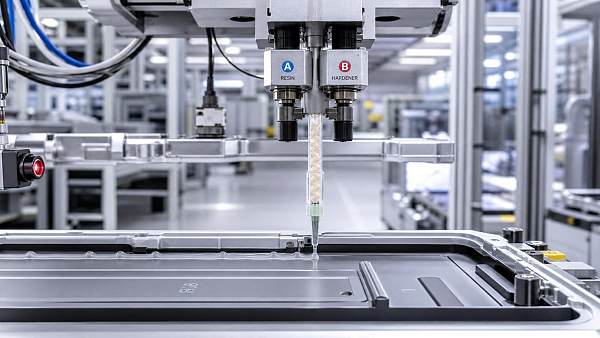
Static mixing technology can significantly improve dispensing when operators need more consistent material blending, fewer process variations, and better control over adhesive performance.
That matters most in 2K adhesives, sealants, potting compounds, and encapsulants used in automated production and high-value assembly.
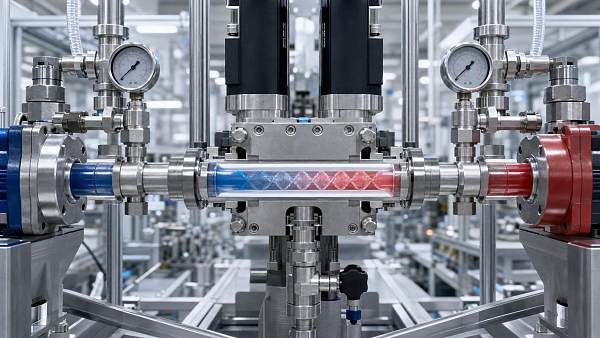
In simple terms, static mixing technology blends two or more material streams inside a fixed mixer geometry, without moving parts.
The result is often better than manual blending or unstable dynamic setups, especially when mix ratio control affects cure, strength, or thermal behavior.
In real dispensing lines, the value is not just cleaner mixing. It is process stability, predictable output, and less time spent correcting avoidable defects.
This is why static mixing technology keeps gaining attention across electronics assembly, EV battery production, automotive sealing, and structural bonding applications.
What Static Mixing Technology Actually Does in Dispensing
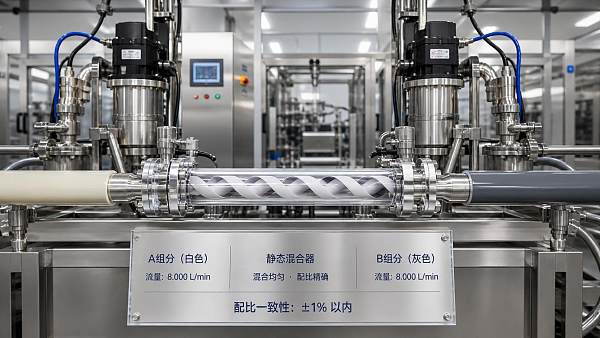
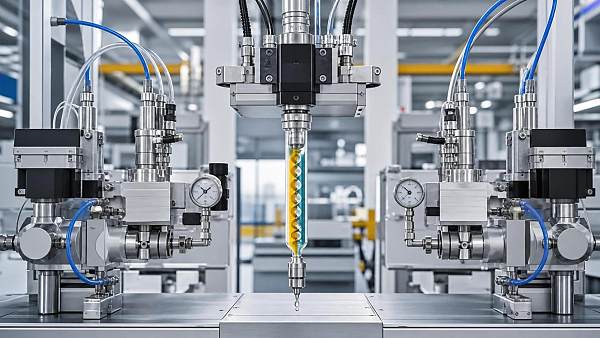
A static mixer contains internal elements that repeatedly split, rotate, and recombine flowing material streams.
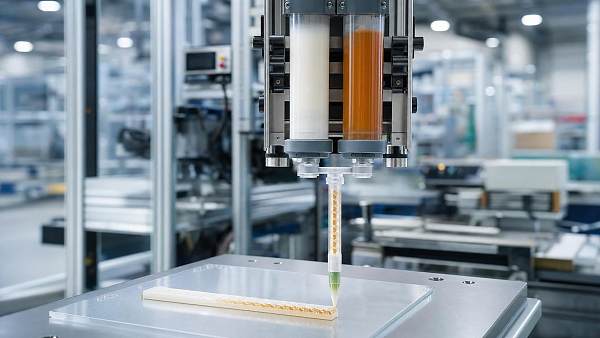
That mixing action happens as material moves forward under pressure from cartridges, meter-mix systems, or automated dispensing equipment.
For two-component materials, static mixing technology helps achieve a more uniform blend before the adhesive reaches the substrate.
This is critical when one side contains resin and the other contains hardener, catalyst, filler, pigment, or thermal additives.
If the blend is incomplete, the dispensing pattern may still look acceptable, but performance often drops later.
Operators usually see the downstream effects as soft cure, brittle cure, tacky surfaces, voids, uneven color, or poor adhesion.
So the main job of static mixing technology is straightforward: make every dispensed shot behave more like the previous one.
When Static Mixing Technology Delivers Clear Value
Not every process needs it. But several conditions make static mixing technology a strong practical upgrade.
1. The Material Is a 2K System
This is the most obvious case. Two-component epoxies, polyurethanes, and silicones depend on accurate mixing to cure correctly.
Static mixing technology improves chemical consistency without adding motors, blades, or extra maintenance points.
2. The Process Has Visible Variation
If bead shape changes, cure time drifts, or bond strength varies by shift, mixing quality may be part of the problem.
In that situation, static mixing technology helps remove one major source of inconsistency before operators adjust other parameters.
3. Fillers or Additives Must Be Evenly Distributed
Thermally conductive potting compounds and flame-retardant encapsulants are common examples.
These materials often require uniform distribution to meet thermal, electrical, or mechanical targets after curing.
4. Scrap Costs Are Already Too High
When failures appear after cure, the real cost includes labor, rework, downtime, and lost confidence in the process.
Static mixing technology often pays back by reducing those hidden losses, not only by saving material.
Where It Helps Most in Daily Production
The strongest use cases usually involve materials with short pot life, demanding cure windows, or tight performance requirements.
- Structural bonding for metal, composite, or mixed-material assemblies
- Electronic potting and encapsulation for sensors, boards, and modules
- Battery pack sealing, gap filling, and thermal potting in EV applications
- Automotive gasketing and seam sealing with two-component materials
- Industrial equipment assembly where repeatable bead quality matters
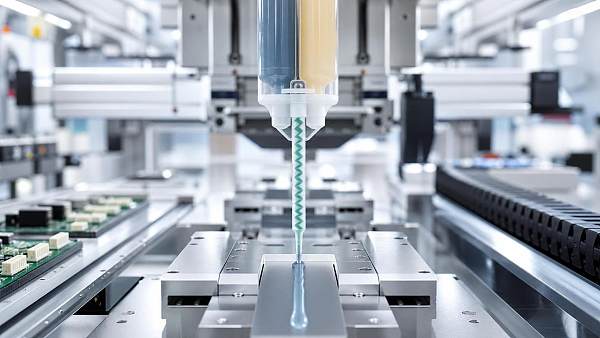
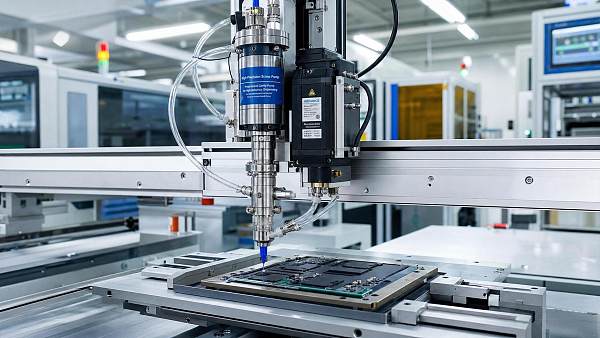
In electronics, static mixing technology supports stable dispensing for underfill, encapsulation, and protective sealing.
In EV battery manufacturing, it helps maintain consistency in potting compounds that must balance flow, cure, and thermal performance.
In structural assembly, it improves confidence that the adhesive is fully activated before contact with the substrate.
How Static Mixing Technology Improves Real Process Outcomes
The practical benefits are easier to see when linked to production outcomes, not abstract mixing theory.
More Stable Cure Behavior
A better mixed adhesive cures more predictably across batches, shifts, and application points.
That helps prevent under-cure, overreaction, or inconsistent hardness in finished parts.
Lower Rework and Waste
Static mixing technology can reduce defective shots, poor first-pass yield, and cleanup tied to unstable material behavior.
This becomes more valuable when the adhesive itself is expensive or the bonded part has high replacement cost.
Better Flow Consistency at the Nozzle
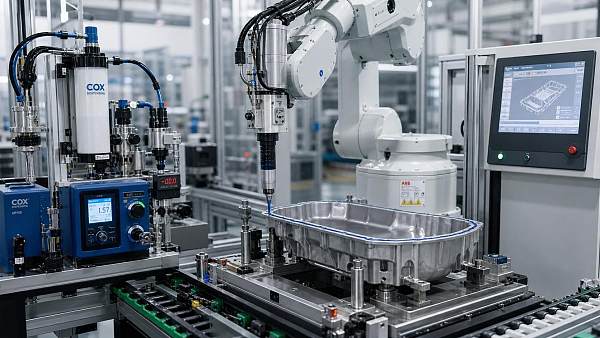
A uniform blend supports a steadier dispensing profile, especially in automated lines using meter-mix or robotic motion.
That means more repeatable beads, dots, or fills, with less tuning during production runs.
Less Operator Dependence
Once the right mixer is matched to the material, the process relies less on manual correction or individual habits.
That is especially useful when teams need stable output across multiple shifts or plants.
What Users Should Check Before Selecting a Static Mixer
Static mixing technology works best when the mixer design matches the material and the dispensing setup.
A poor match can increase pressure, waste material, or create the false impression that the adhesive is the issue.
- Viscosity range: High-viscosity materials usually need stronger mixing action and careful pressure management.
- Mix ratio: Uneven ratio control cannot be fixed by the mixer alone, but the right geometry supports better homogenization.
- Shot size: Small dispense volumes may need a compact mixer to limit dead volume and startup waste.
- Pot life: Fast-reacting materials require attention to residence time inside the mixer.
- Filler content: Abrasive or heavily loaded compounds can affect pressure drop and mixer lifespan.
- Automation level: Robotic or inline systems often need tighter control over repeatability and purge behavior.
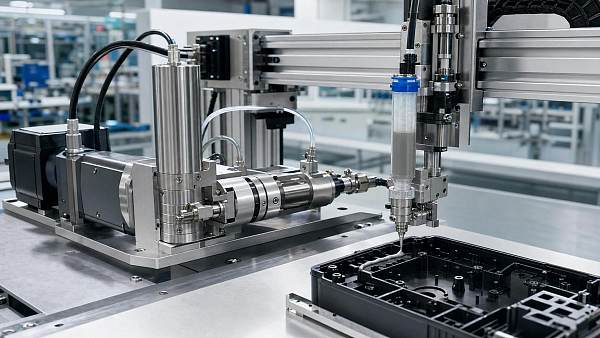
From a process view, static mixing technology should be evaluated together with pumps, cartridges, valves, and nozzle design.
That integrated view usually gives better results than changing one component in isolation.
Common Limits and Misunderstandings
Static mixing technology solves many problems, but it is not a universal correction tool.
If upstream ratio control is wrong, the material is expired, or air is entering the system, a new mixer will not fully solve the issue.
Pressure drop is another important factor. More mixing elements often mean better blending, but also higher resistance.
That can affect cycle time, pump load, or dispensing accuracy if the system is already near its pressure limit.
There is also a material waste tradeoff. Longer mixers can improve blend quality, but may leave more residual material after changeover.
In practical terms, the best static mixing technology choice is rarely the most aggressive one. It is the best balanced one.
A Practical Evaluation Approach for Production Teams
A short trial can reveal whether static mixing technology will create measurable process value.
The most useful approach is to compare current performance with a controlled mixer change under normal production conditions.
- Track bead consistency and shot repeatability
- Measure cure quality and final bond performance
- Check startup waste and purge volume
- Review pressure behavior during dispensing
- Compare scrap, rework, and downtime before and after
This kind of evaluation keeps the decision tied to throughput, quality, and cost instead of supplier claims alone.
It also helps identify whether static mixing technology should be paired with changes in ratio control, valve settings, or material handling.
Conclusion
Static mixing technology improves dispensing when material consistency directly affects cure, strength, sealing, or thermal performance.
Its biggest advantage is not simply better blending inside a nozzle. It is more stable production with fewer avoidable process surprises.
For 2K adhesives, sealants, potting compounds, and encapsulants, static mixing technology often becomes a high-impact improvement when variation, waste, or cure problems start limiting output.
The smart next step is to review actual material behavior, dispensing conditions, and failure patterns before choosing a mixer design.
When that decision is grounded in process data, static mixing technology can support cleaner dispensing, stronger quality control, and more predictable manufacturing results.
Recommended News
 Oct 03, 2026When disposable static mixers reduce cleanup time in 2K dispensingStatic mixers disposable options can cut 2K dispensing cleanup, reduce changeover risk, and improve uptime. Learn how to balance waste, mixing quality, and cost.
 Sep 27, 2026How fluid control systems dispensing improves dosing consistencyFluid control systems dispensing improves dosing consistency by stabilizing pressure, flow, valve response, and motion—helping manufacturers reduce waste, defects, and rework.
 Sep 21, 2026What drives industrial screw pumps price beyond flow rateIndustrial screw pumps price depends on more than flow rate. Explore how materials, pressure, seals, controls, and lifecycle costs shape the right investment.
 Aug 15, 2026Do inline static mixers improve mixing consistency in dosing lines?Static mixers inline can improve dosing line consistency by reducing streaks and variation, helping you achieve more reliable mixing and better process results.
 Jul 14, 2026Static Mixing Technology: When It Improves DispensingStatic mixing technology improves dispensing by delivering more consistent 2K adhesive mixing, stable cure results, and lower rework. Learn when it adds real value in production.
 Jul 13, 2026Static Mixers for 2K Adhesives: How to Match Mix Quality and FlowStatic mixers 2K adhesives guide: learn how to balance mix quality and flow, reduce waste, control pressure, and choose the right mixer for reliable bonding performance.
 Jul 12, 2026Static Mixers for Epoxy: How to Reduce Waste and Improve Mix QualityStatic mixers epoxy guide: learn how to reduce waste, improve mix quality, prevent cure defects, and choose the right mixer for reliable, cost-efficient epoxy dispensing.
 Jul 10, 2026Dispensing Systems for Sealants: Reducing Waste and Cycle TimeDispensing systems for sealants help cut waste, improve bead accuracy, and shorten cycle time. Learn how the right setup boosts sealing quality, consistency, and production efficiency.
 Jul 05, 2026Static Mixing Systems: When Pressure Loss Becomes a Production ProblemStatic mixing systems can boost blend quality, but too much pressure loss can disrupt flow, ratio control, and throughput. Learn the warning signs and practical fixes.
 Jul 05, 2026How to Compare Screw Pumps for Stable Industrial DispensingScrew pumps industrial comparison made practical: learn how to assess flow stability, repeatability, wear, and integration to choose a dispensing solution that cuts scrap and boosts uptime.
 Jun 28, 2026Industrial Screw Pumps: Cost Factors That Affect Dosing AccuracyIndustrial screw pumps impact far more than upfront cost. Discover how fluid compatibility, wear, calibration, and maintenance affect dosing accuracy, waste, and total ownership cost.
 Jun 22, 2026How to Compare Adhesive Viscosity Control Suppliers for Stable DispensingAdhesive viscosity control supplier comparison guide: learn how to evaluate rheology, batch consistency, equipment fit, and support to achieve stable dispensing and reduce downtime.
 Jun 20, 2026Fluid Dispensing Engineering Basics for Stable Bead Size and OutputFluid dispensing engineering explained for stable bead size and output. Learn key variables, common instability signals, and practical ways to improve accuracy, yield, and process reliability.
 Jun 18, 2026Static Mixing Technology for Polyurethane: What Affects Mixing Quality Most?Static mixing technology for polyurethane: discover what impacts mixing quality most—from ratio accuracy and viscosity to temperature and mixer design—to reduce defects and improve stable output.
Editor's Selection
The Archive Newsletter
Critical industrial intelligence delivered every Tuesday. Peer-reviewed summaries of the week's most impactful logistics and market shifts.