Zhejiang Tape Makers Advance Halogen-Free Compliance
by
Published
Views:
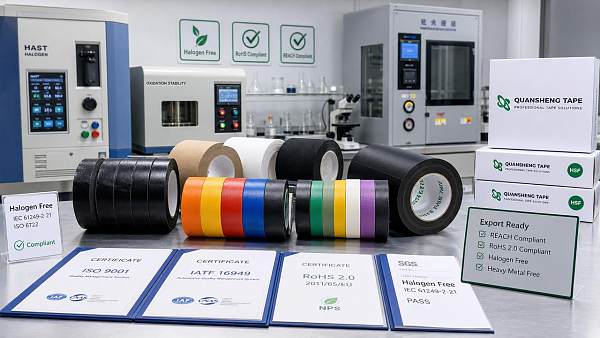
The timing of the underlying production changes is not clearly stated in the available information, but an industry survey dated June 10, 2026 indicates that major colored adhesive tape manufacturers in Zhejiang, including Yonggu Adhesive Technology and Caiyi New Materials, have completed halogen migration testing and obtained IEC 61249-2-21:2025 halogen-free certification. For companies involved in automotive wiring harnesses, electronics assembly, export supply chains, and approved vendor management, this development is worth close attention because it links product compliance more directly to qualification access for international brand supply chains and overseas Tier-1 procurement.
What Has Been Confirmed So Far
According to the provided industry research, mainstream Zhejiang manufacturers of colored adhesive tapes have completed production-line halogen transition testing and secured certification under IEC 61249-2-21:2025. The companies explicitly referenced include Yonggu Adhesive Technology and Caiyi New Materials.
The stated purpose of the certification is to meet supply chain requirements associated with international brands including Apple, Bosch, and Siemens. The certification scope covers full Masking Tape and Harness Tape product lines.
The information also confirms a strengthened control focus on total chlorine and bromine content at or below 900 ppm, particularly for automotive wiring harness protection tapes and electronics assembly masking tapes. The reported commercial implication is direct relevance to qualified supplier entry for overseas Tier-1 manufacturers.
Where the Immediate Pressure May Be Felt
Vendor qualification and sourcing reviews
From an industry perspective, procurement teams and approved vendor managers may be affected first because the update is tied directly to supplier access. The practical impact is likely to appear in qualification review, compliance documentation checks, and comparisons between certified and non-certified tape sources for export-facing programs.
Automotive harness tape demand chains
For businesses serving automotive wiring harness applications, the development matters because the certification specifically highlights harness tape coverage and halogen control capability. What deserves closer attention is whether customers begin treating this type of certification less as a preference and more as a baseline document in sourcing discussions with overseas Tier-1 partners.
Electronics assembly material selection
Electronics assembly users and related processors may also need to monitor this shift, as masking tapes used in assembly environments are explicitly included. The main impact area is material selection for projects tied to international brand compliance expectations, especially where chlorine and bromine limits must be documented clearly in purchasing and supplier communication.
Trade and supply chain service providers
For trading companies and supply chain service providers, the change may influence how product files, declarations, and customer-facing compliance communication are prepared. Analysis shows that when certification status becomes part of supplier entry, paperwork accuracy and response speed can matter alongside price and delivery.
What Companies Should Watch Next
Scope of certification by product category
Companies should verify whether the specific Masking Tape or Harness Tape items they buy, distribute, or submit to customers are covered within the certified scope described by the supplier, rather than assuming all similar products carry identical compliance status.
Alignment between test results and customer documents
What deserves closer attention is the match between halogen migration testing, certification claims, and the documentation requested by end customers or Tier-1 buyers. In practice, purchase, quality, and sales teams may need tighter internal coordination when responding to qualification or audit questions.
Application focus in automotive and electronics
The most relevant near-term business focus appears to be in automotive wiring harness protection tapes and electronics assembly masking tapes, since these are the product uses specifically emphasized in the provided information. Companies active in these segments should monitor whether customer inquiries increasingly center on chlorine and bromine control thresholds.
Supplier communication and delivery planning
Observably, this type of compliance update can affect not only technical approval but also delivery preparation and customer communication. Businesses may need to confirm supplier credentials, file readiness, and response procedures in advance when serving international accounts that require formal approved-vendor onboarding.
Why This Looks Like More Than a Routine Certification Update
Analysis shows that this news should not be read only as an isolated product certification matter. Because the certification is linked to international brand supply chain requirements and overseas Tier-1 supplier entry, it signals that halogen-control capability is becoming more visible at the tape category level, especially in applications connected to automotive harnesses and electronics assembly.
At the same time, it is more appropriate to understand this as a targeted compliance signal rather than a complete market conclusion. The available information confirms certification progress among major Zhejiang manufacturers, but it does not by itself establish how widely procurement rules will change across all customers, programs, or export markets. That is why continued observation remains necessary.
How This News Is Best Understood Now
At this stage, the most balanced reading is that Zhejiang’s colored adhesive tape manufacturing cluster is moving further into verifiable halogen-control compliance for internationally exposed supply chains. The confirmed certification progress matters because it affects recognized supplier eligibility, especially in automotive and electronics-related tape applications.
However, the broader commercial outcome still depends on how buyers, Tier-1 manufacturers, and downstream compliance teams apply these requirements in actual sourcing and qualification processes. In that sense, this is best understood as a meaningful industry signal with immediate relevance for certain supply chain decisions, while still requiring follow-up observation.
About the Basis of This Article
This article is generated from the user-provided news title, event timing note, and event summary. The specific timing of the event itself is not clearly stated in the input, and no direct official source link was provided in the input.
For this type of development, commonly relevant source categories may include official company announcements, industry association updates, authoritative media reporting, and standard-organization documents related to IEC requirements. Because specific official source links were not included here, the underlying certification details, scope wording, and any subsequent buyer-side implementation should continue to be verified through follow-up checks.
Recommended News
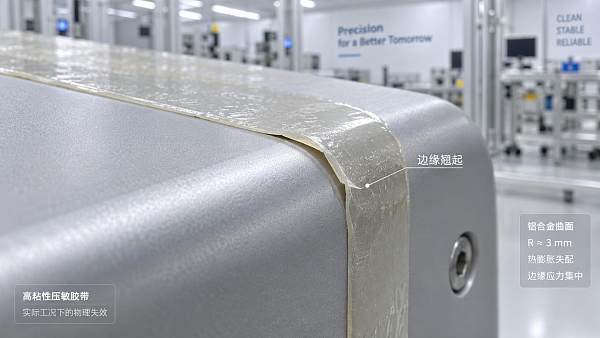
 Sep 11, 2026What causes edge lifting in high-adhesion PSA tapes on curved metal substrates?How do I prevent adhesive tape edge lifting? Discover science-backed strategies for curved metal substrates—thermal, surface, and application levers that stop delamination before it starts.
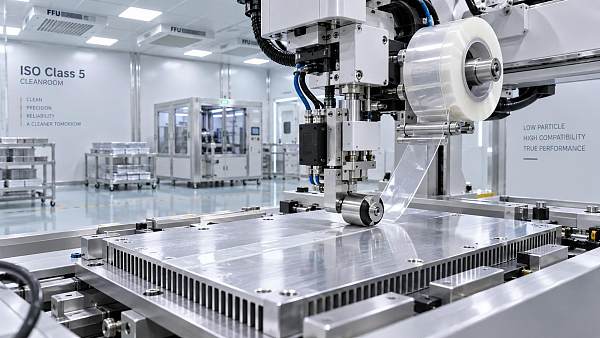
 Sep 12, 2026Are cleanroom-grade PSA tapes validated for ISO Class 5 assembly environments?Are pressure sensitive adhesive tapes suitable for cleanroom assembly? Discover why ISO Class 5 validation—not just 'cleanroom-grade' labels—makes all the difference.
 Sep 13, 2026Do pressure-sensitive masking tapes comply with RoHS 2026 requirements for electronics assembly?Does adhesive tape meet RoHS requirements? Spoiler: There’s no RoHS 2026—only real, enforceable RoHS 2011/65/EU. Get layer-specific compliance insights for electronics-grade masking tapes.
 Aug 31, 2026How to choose an adhesive for wire harness tape bondingAdhesive for wire harness tape bonding: learn how to select durable, compliant solutions for heat, vibration, moisture, insulation compatibility, and efficient assembly.
 Jul 12, 2026How to Evaluate a Pressure Sensitive Tape Manufacturer for Harness MaskingPressure sensitive tape manufacturer selection for harness masking: learn how to compare clean removal, heat resistance, compliance, and process cost to choose a reliable supplier.
 Jun 27, 2026Choosing Adhesive for Wire Harness WrappingAdhesive for wire harness wrapping: learn how to choose acrylic, rubber, or silicone options for heat, vibration, and abrasion resistance to improve harness reliability.
 Jun 14, 2026Zhejiang Tape Makers Advance Halogen-Free ComplianceZhejiang tape makers advance halogen-free compliance under IEC 61249-2-21:2025, boosting supplier access for automotive harness and electronics buyers. See what it means for sourcing.

Editor's Selection
The Archive Newsletter
Critical industrial intelligence delivered every Tuesday. Peer-reviewed summaries of the week's most impactful logistics and market shifts.