Industrial Sealing Materials: How to Compare Service Life
by
Published
Views:
Industrial Sealing Materials: How to Compare Service Life
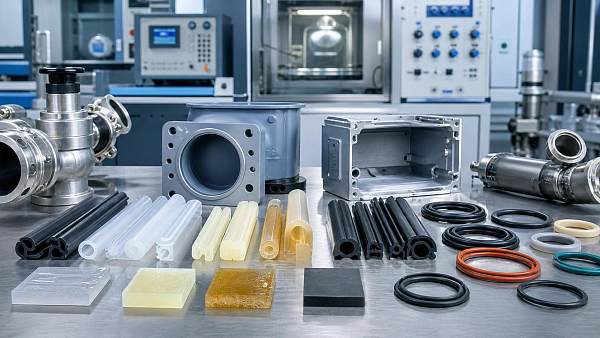
Choosing industrial sealing materials is rarely a simple durability check.
A seal may look strong in lab data, yet fail early on the line.
That gap usually comes from real operating stress, not poor specifications alone.
When comparing industrial sealing materials, service life should be treated as a system outcome.
Material chemistry matters, but so do surface prep, cure profile, load direction, and media exposure.
In practical sourcing, longer life often lowers maintenance cost, downtime, warranty risk, and compliance pressure.
This also means the lowest unit price can become the most expensive choice over time.
A better comparison starts with how the seal must survive, not how the product sheet looks.
Start With the Real Definition of Service Life
Service life is the period a seal keeps required performance within real use conditions.
That performance may mean leak prevention, chemical isolation, vibration damping, or environmental protection.
Some industrial sealing materials fail gradually.
Others fail suddenly after thermal shock, pressure cycling, or unexpected media attack.
So the first question is not, “Which material lasts longest?”
It is, “Longest under which exact conditions, and to what failure threshold?”
That distinction matters in automotive housings, battery packs, rail assemblies, electronics enclosures, and packaging systems.
A silicone that performs well outdoors may not resist fuel splash.
An epoxy with strong chemical resistance may crack under repeated movement.
A polyurethane may balance flexibility and adhesion, yet struggle with high temperature aging.
Compare Material Families Before Comparing Brands
Many teams jump into supplier quotes too early.
A faster route is to compare industrial sealing materials by chemistry first.
Each family tends to show a predictable service life profile.
Common service life patterns
- Silicone sealants: strong weathering, good flexibility, broad temperature stability.
- Polyurethane sealants: good adhesion and toughness, often used in transport and construction systems.
- Epoxy sealants: high strength and chemical resistance, but lower flexibility in dynamic joints.
- MS polymer systems: balanced adhesion, lower odor, and useful paintability in many assemblies.
- Butyl and rubber-based compounds: effective moisture barriers, though not always ideal for high heat.
This early classification prevents false comparisons between products designed for different stress profiles.
It also helps procurement and engineering teams narrow trials faster.
Focus on the Five Conditions That Shorten Seal Life Fastest
In most industrial applications, service life drops because one stress factor was underestimated.
These five conditions deserve close review when screening industrial sealing materials.
1. Temperature range and cycling
Peak temperature alone is not enough.
Repeated heating and cooling creates expansion mismatch, hardening, and fatigue cracking.
2. Chemical contact
Oils, coolants, cleaners, salt spray, battery fluids, and solvents can cause swelling or bond loss.
3. Mechanical movement
Vibration, compression set, joint movement, and shock loads often expose brittle formulations quickly.
4. Moisture and UV exposure
Outdoor and semi-exposed assemblies need strong resistance to humidity, hydrolysis, and sunlight degradation.
5. Process variation
Incorrect mix ratio, poor dispensing control, trapped air, or incomplete cure can cut service life dramatically.
From a business view, this is often the hidden cost driver.
A premium sealant with unstable processing may underperform a well-controlled mid-range system.
Use Test Data Carefully, Not Literally
Technical data sheets are useful, but they are not field forecasts.
Most values come from controlled samples, defined substrates, and fixed cure conditions.
When evaluating industrial sealing materials, ask how the data was produced.
Look for these signals
- Aging tests under heat, humidity, and media exposure.
- Compression set, elongation retention, and adhesion retention after cycling.
- Results on the same substrate family used in your assembly.
- Failure mode details, not only pass or fail labels.
- Evidence from production trials or multi-site application cases.
More importantly, ask suppliers for retained performance, not only initial performance.
A material that keeps 85% of key properties may outlast one that starts stronger but degrades faster.
Build a Practical Comparison Table for Industrial Sealing Materials
A clear scoring table makes service life comparisons easier across departments.
It also keeps the selection process tied to business risk.
This kind of table turns material selection into a repeatable decision model.
That is especially useful when different plants or sourcing teams compare the same industrial sealing materials.
Do Not Separate Material Life From Application Process
Service life is heavily shaped by how the material is applied.
This is where dispensing accuracy and cure control become strategic, not operational details.
In automated assembly, bead geometry, wetting consistency, and void control directly affect seal durability.
A well-matched valve, mixer, or fluid delivery setup can extend effective service life without changing chemistry.
That is one reason advanced manufacturers evaluate materials and dispensing systems together.
For two-part systems, poor static mixing can create weak zones.
For UV-assisted sealing, lamp wavelength, shadow areas, and cure depth must be checked carefully.
For battery and electronics assemblies, trapped bubbles may reduce sealing reliability and thermal performance together.
Calculate Lifecycle Cost, Not Just Material Price
A durable seal can still be the wrong choice if it slows production or adds compliance burden.
At the same time, a low-cost sealant may create expensive field failures.
The useful comparison is total lifecycle cost.
- Material consumption per unit
- Cycle time and cure speed
- Scrap and rework rate
- Maintenance interval
- Warranty exposure
- Regulatory replacement risk
From recent market changes, this broader view is becoming more important.
Buyers now look for industrial sealing materials that support both reliability and process efficiency.
That shift is especially clear in EV, electronics, transport, and automated packaging lines.
A Smarter Decision Framework
To compare industrial sealing materials with confidence, keep the process disciplined.
- Define the actual failure mode you must avoid.
- Map temperature, chemicals, movement, and exposure conditions.
- Screen material families before shortlisting suppliers.
- Review aging and retention data, not only initial values.
- Validate the material with your dispensing and cure process.
- Score options by lifecycle cost and operational risk.
This approach makes service life comparison more realistic and more actionable.
It also helps teams justify decisions with technical and commercial logic at the same time.
The strongest decision usually comes from matching industrial sealing materials to the full operating context.
When that happens, longer service life becomes a measurable business advantage, not a marketing claim.
Recommended News
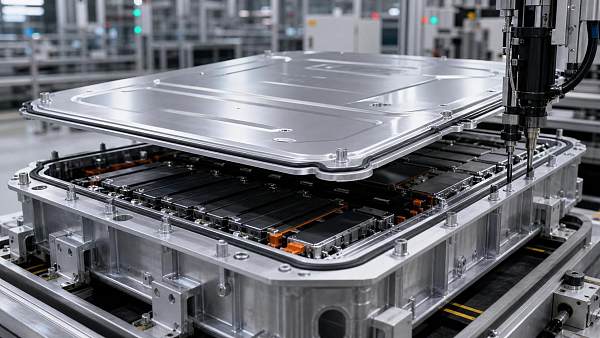
 Jul 13, 2026Adhesive Sealing for Battery Packs: Key Design Mistakes to AvoidAdhesive sealing for battery packs can fail due to flange flaws, wrong sealant chemistry, and dispensing errors. Discover the key design mistakes to avoid for stronger sealing and better reliability.
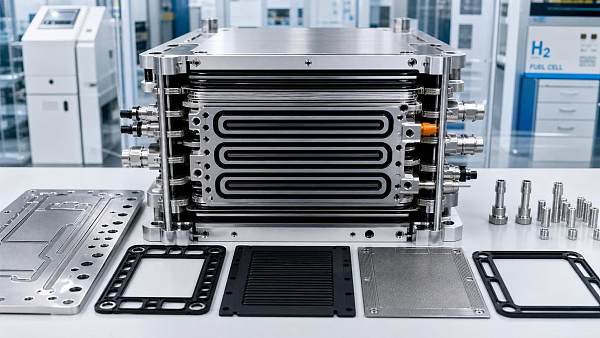
 Jul 02, 2026Fuel Cell Adhesive Bonding Materials: Heat, Chemical, and Seal Reliability GuideFuel cell adhesive bonding materials guide covering heat resistance, chemical durability, and long-term seal reliability. Compare chemistries, failure risks, and smart selection steps.
 Jul 01, 2026Industrial Sealing Materials: How to Compare Service LifeIndustrial sealing materials compared the smart way: learn how to evaluate service life by temperature, chemicals, movement, process control, and lifecycle cost before you buy.
 Jun 22, 2026Fuel Cell Sealing Adhesive Selection: Leak Risk, Heat, and DurabilityFuel cell sealing adhesive selection made practical: learn how to reduce leak risk, handle heat, and improve durability with smarter material and process decisions.
Editor's Selection
The Archive Newsletter
Critical industrial intelligence delivered every Tuesday. Peer-reviewed summaries of the week's most impactful logistics and market shifts.