China Splits Out Silicone Encapsulants Under New HS Code
by
Published
Views:
On July 11, 2026, China put a new customs classification rule into effect for exported silicone encapsulants, requiring these products to be declared separately under HS code 3506.9900.11 instead of being grouped with general organic silicone sealants. The change matters for exporters, overseas distributors, procurement teams, and supply chain coordinators linked to EV battery materials, photovoltaic inverter applications, and power module packaging, because it combines a tighter traceability requirement with a reported five-working-day extension in export tax rebate review time.
A customs change that is already in force
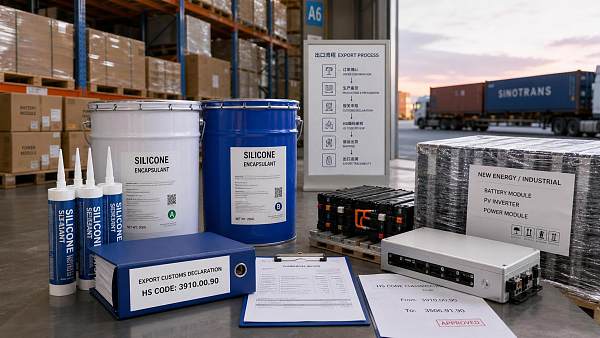
According to General Administration of Customs Announcement No. 48 of 2026, all exports of silicone encapsulants must be separately classified and declared under the new HS code 3506.9900.11 from July 11, 2026.
The announcement states that these products will no longer be reported under the broader code previously used for general organic silicone sealants.
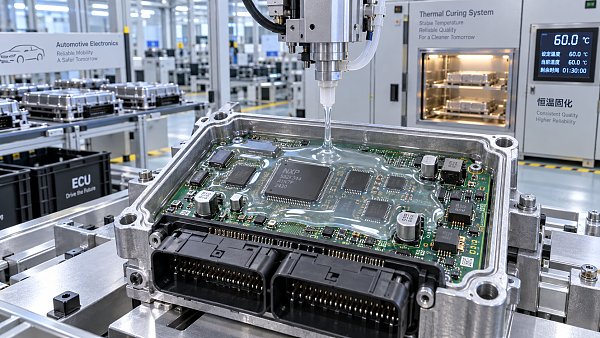
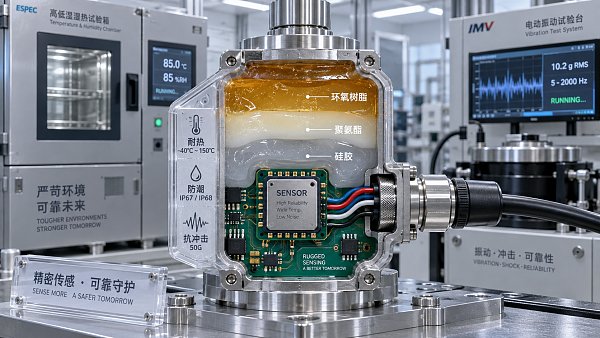
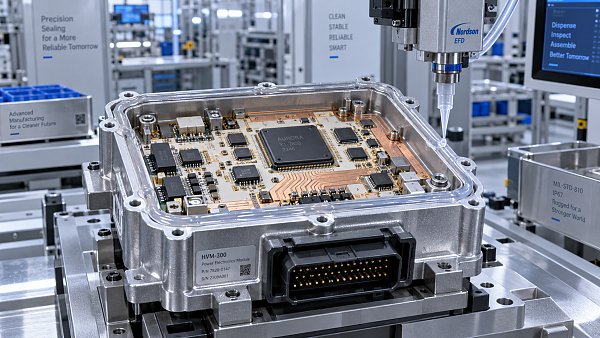
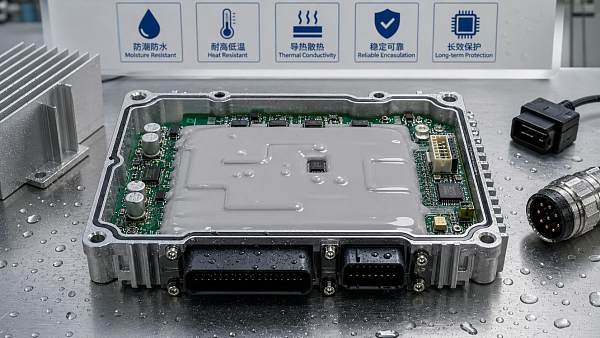
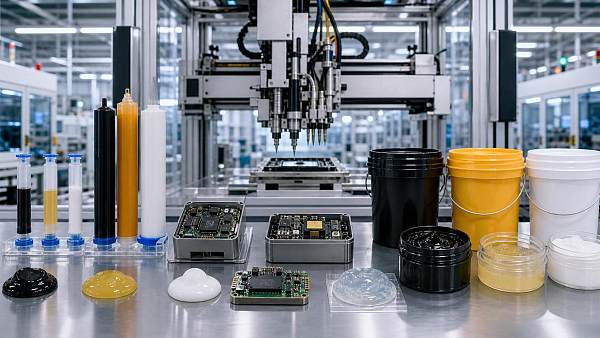
The stated purpose of the new coding arrangement is to strengthen export traceability supervision for high-value encapsulation materials used in areas such as new energy vehicle batteries, photovoltaic inverters, and power modules.
After the new code took effect, the export tax rebate review cycle was reported to extend by an average of five working days. Overseas distributors are advised to confirm customs declaration document status with Chinese suppliers 15 days in advance to reduce the risk of delivery timing mismatch.
Where the practical pressure points may appear
Export declaration teams will face a narrower classification requirement
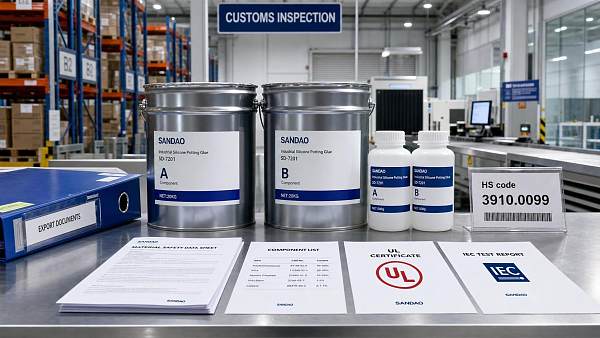
From an industry perspective, exporters handling silicone encapsulants are the first group directly affected because the rule changes the declaration category itself. The immediate impact is likely to fall on product classification, customs paperwork preparation, and internal review of whether goods previously filed under a broader sealant category now need separate handling.
What deserves closer attention is whether product descriptions, technical documentation, and shipping records are aligned closely enough with the new code to support consistent declaration practice.
Procurement and delivery planning may need a longer timing buffer
For procurement teams and overseas buyers, the more visible issue is not only customs coding but shipment rhythm. Analysis shows that a five-working-day extension in tax rebate review can affect planning assumptions between supplier dispatch, document completion, and payment or delivery coordination.
Where supply arrangements are time-sensitive, buyers may need to pay closer attention to document readiness and declaration progress before confirming delivery windows.
Distributors and channel partners may need earlier document confirmation
Channel and distribution participants may be affected through handoff timing rather than through customs filing itself. The input information specifically advises overseas distributors to check declaration document status with Chinese suppliers 15 days in advance, which suggests that coordination risk may rise when delivery schedules are tight or documentation is incomplete.
Observably, this makes upstream document visibility more important for downstream inventory and customer commitment management.
What companies should watch from here
Consistency between product identity and declaration materials
Analysis shows that companies should review whether the way silicone encapsulants are described across customs filings, product specifications, commercial documents, and internal material records is consistent with the separate declaration requirement. This is a practical compliance issue rather than a theoretical one, because the change is tied directly to product traceability.
Delivery commitments that depend on rebate-related timing
What deserves closer attention is the added time in the tax rebate review cycle. Businesses that build delivery promises, order sequencing, or supplier coordination around prior documentation timing may need to reassess those assumptions and leave additional room in shipment planning.
Advance coordination between overseas buyers and Chinese suppliers
The provided information points to a specific operational response: overseas distributors should confirm declaration document status 15 days in advance. It is more appropriate to understand this as a timing control measure for active transactions, especially where order fulfillment depends on synchronized customs and shipping milestones.
Further official wording and execution practice
The input does not provide more detailed implementation guidance beyond the new code, the traceability purpose, and the longer rebate review cycle. For that reason, companies should continue watching for further official wording, execution interpretation, and any changes in supporting trade documents or tender-related technical references that may reflect the new classification practice.
Why this should be read as an execution signal
Observably, this development is more than a naming adjustment inside customs paperwork. It is a rule change that has already taken effect and that separates silicone encapsulants from a broader sealant category for declaration purposes. Analysis shows that the practical meaning lies in two linked signals: regulators want clearer traceability for high-value encapsulation materials, and businesses should expect paperwork and timing discipline to matter more in export execution.
At the same time, it would be premature to treat every downstream effect as settled. The current information supports a clear reading of the rule change itself, but the full market response, internal compliance adjustments, and possible variations in execution practice still need observation.
A narrower code with broader operational consequences
From an industry perspective, the immediate takeaway is not a broad market conclusion but a specific operational one: silicone encapsulant exports from China are now subject to a separate HS declaration path, and the rebate review cycle has lengthened by an average of five working days. This is best understood as a landed compliance and trade execution change with direct implications for customs documentation, shipment coordination, and delivery planning, rather than as a purely administrative update.
Basis of this article and points still requiring verification
This article was generated based on the user-provided news title, event date, and event summary. The factual basis used here is limited to the stated implementation date of July 11, 2026, General Administration of Customs Announcement No. 48 of 2026, the separate declaration requirement under HS code 3506.9900.11 for silicone encapsulants, the stated traceability purpose, the reported five-working-day extension of the tax rebate review cycle, and the recommendation for overseas distributors to confirm document status 15 days in advance.
For events of this type, commonly relevant source categories include official announcements, regulator releases, customs or trade authority information, industry association updates, standard-setting documents, and reporting by established trade media. A specific official source link was not provided in the input, so that point still requires ongoing verification. Further observation is also needed on detailed implementation language, execution interpretation, tender document changes, market feedback, and how companies are adjusting their filing and delivery processes in practice.
Recommended News
 Sep 23, 2026How silicone encapsulation prevents moisture failures in sensorsElectronic encapsulation for sensors: discover how silicone reduces moisture failures, protects critical interfaces, and improves reliability under vibration and thermal cycling.
 Sep 22, 2026How to verify UL94 V-0 performance in silicone encapsulantsSilicone encapsulants UL94 V0: learn how to verify flame performance through test evidence, minimum thickness, cure controls, and traceable production practices.
 Sep 22, 2026Automotive Silicone Encapsulation: Preventing Cracks in High-Temperature ElectronicsAutomotive silicone encapsulation prevents cracks in high-temperature electronics with proven control of dispensing, voids, curing, and inspection.
 Sep 21, 2026How to Select Sensor Encapsulation Materials for Heat, Moisture, and ShockEncapsulation materials for sensors: learn how to balance heat resistance, moisture sealing, and shock protection for reliable, high-performance sensor assemblies.
 Sep 21, 2026Sealing Hybrid Packages: Material Choices for Moisture Protection and ReliabilitySealing of hybrid packages: compare epoxy, silicone, polyurethane, and dual-cure materials for dependable moisture protection and long-term reliability.
 Sep 17, 2026When silicone chip packaging adhesives prevent solder joint crackingSilicone chip packaging adhesives help prevent solder joint cracking by absorbing stress, reducing board flex, and improving BGA reliability. Explore smarter protection strategies.
 Sep 15, 2026Silicone vs. polyurethane: which offers better vibration damping for EV battery module assembly?Should I use silicone or polyurethane for vibration protection? Discover which material delivers superior long-term damping, thermal stability & safety in EV battery modules.
 Sep 03, 2026How to prevent leaks when selecting a battery pack sealing adhesiveBattery pack sealing adhesive selection made practical: prevent leaks with proven guidance on joint design, curing, dispensing, durability testing, and serviceability.
 Aug 16, 2026EU REACH Adds 5 SVHCs, Triggering Mandatory SCIP Reporting from Aug. 15, 2026EU REACH adds 5 SVHCs, making SCIP reporting mandatory from Aug. 15, 2026. Learn how the new REACH candidate list impacts exporters, epoxy adhesives, silicone encapsulants, and EU compliance.
 Aug 12, 2026How Electronics Potting for Power Modules Affects Heat Dissipation and ReliabilityElectronics potting for power modules directly impacts heat dissipation, insulation, and long-term reliability. Learn how to choose materials that reduce risk and improve performance.
 Aug 11, 2026EU PFOA Rule Takes Full Effect on Aug. 10EU PFOA Rule takes full effect on Aug. 10, tightening REACH limits for electronics and new energy materials. See who is affected, key compliance risks, and what exporters should check now.
 Aug 10, 2026ECHA Tightens PFOA Limit for Fluorinated Silicone ExportsECHA tightens PFOA limit to 25 ppb for fluorinated silicone exports. Learn how Silicone Encapsulants and Thermal Conductive Pastes can meet EU REACH compliance fast.
 Aug 07, 2026How to Choose Electronics Potting for LED Drivers by Heat and IP RatingElectronics potting for LED drivers: learn how to choose the right compound by heat path, IP rating, stress, and cure behavior to improve reliability and simplify selection.
 Jul 26, 2026ECHA Adds Two Flame Retardants to SVHC ListECHA Adds Two Flame Retardants to SVHC List: learn how DPTEBP and TBBPS may affect EU exports, SDS updates, declarations, and October 2026 compliance deadlines.
 Jul 19, 2026ECHA SVHC Update Raises Export Risks for Silicone MaterialsECHA SVHC update raises export risks for silicone materials, including silicone encapsulants and thermal conductive pastes. Learn the REACH, SCIP, and traceability impacts before October 2026.
 Jul 14, 2026Japan’s New JIS Rule Pulls Silicone Encapsulant Orders to ChinaSilicone encapsulant demand is shifting to China as Japan’s new JIS rule nears. See how compliance, certification, and EMS procurement are reshaping orders before October 2026.
 Jul 13, 2026Japan Enforces JIS T 2801-2026 on Silicone EncapsulantsJapan Enforces JIS T 2801-2026 on Silicone Encapsulants: learn how new thermal shock and ion migration tests affect PSE access, supplier approval, and Japan-bound compliance plans.
 Jul 09, 2026How to Evaluate an Electronics Packaging Adhesive Supplier for Yield StabilityElectronics packaging adhesive supplier evaluation starts with yield stability. Learn how to compare consistency, compliance, process fit, and total cost for smarter sourcing.
 Jul 04, 2026How to Evaluate Electronic Potting Materials in Japan for Heat, Moisture, and ComplianceElectronic potting materials Japan: learn how to compare heat resistance, moisture protection, and compliance data to choose reliable compounds for automotive, EV, and electronics projects.
 Jul 03, 2026China Customs Splits Out Silicone Encapsulants HS CodeChina Customs splits out Silicone Encapsulants HS code to 3910.0099, tightening filing, UL/IEC documentation, and rebate timing. See what exporters and buyers must do now.
 Jul 02, 2026China Splits Out Silicone Encapsulants Under New HS CodeChina splits out silicone encapsulants under new HS code 3506.9900.11. See how the rule affects export compliance, tax rebate timing, and global delivery planning.
 Jul 01, 2026China Creates HS 2026.7.11 for Silicone EncapsulantsChina creates HS 2026.7.11 for silicone encapsulants, reshaping customs declarations, rebate timing, and export compliance. Learn what exporters and buyers must review now.
 Jun 29, 2026How to Choose Electronic Potting Sealants for Heat and MoistureElectronic potting sealants for heat and moisture: learn how to match materials to real operating conditions, improve reliability, and avoid costly process mistakes.
 Jun 24, 2026Electronic Packaging Adhesive Price Benchmarks by Cure Type and VolumeElectronic packaging adhesive price benchmarks by cure type and volume. Compare UV, epoxy, silicone, package formats, and hidden process costs to source smarter and cut total line expense.






Editor's Selection
The Archive Newsletter
Critical industrial intelligence delivered every Tuesday. Peer-reviewed summaries of the week's most impactful logistics and market shifts.