Silicone Potting for Automotive Electronics: Failure Prevention Guide
by
Published
Views:
Why silicone potting for automotive electronics is judged by use conditions, not by datasheets alone
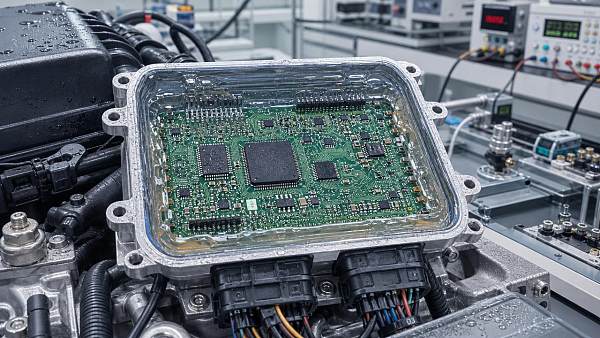
Silicone potting for automotive electronics is rarely selected for one reason only. In real vehicle systems, heat, vibration, moisture, salt, and compact packaging act together.
That is why failure prevention starts with the operating scene. A control unit near the engine sees different stress than a radar module behind a bumper.
The same silicone chemistry can perform very differently when cavity depth, cure profile, dispensing accuracy, and substrate mix change. Good reliability usually comes from matching material behavior to assembly reality.
Within industrial adhesives and dispensing practice, silicone potting for automotive electronics sits at the intersection of polymer design, fluid control, thermal management, and compliance review.
That broader view matters. Potting is not only about sealing a board. It also affects rework limits, production takt time, sensor stability, and long-term field failure risk.
Actual applications change the failure pattern
In low-power cabin electronics, condensation and connector corrosion often drive the decision. Soft, low-modulus silicone potting for automotive electronics helps buffer thermal cycling without overloading delicate solder joints.
Under-hood modules usually face harsher swings. Fast temperature rise, oil mist, splash water, and vibration make crack prevention more important than simple ingress protection.
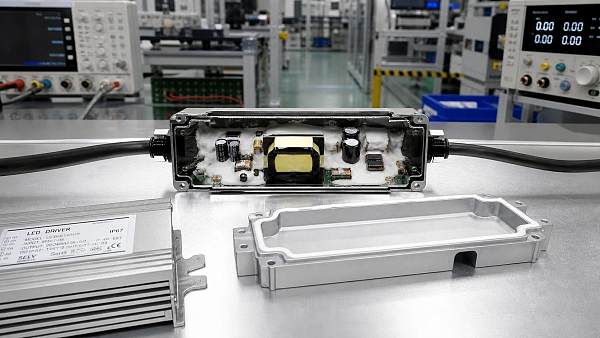
For lighting drivers and power converters, heat dissipation becomes a parallel requirement. Here, silicone potting for automotive electronics must protect components while still supporting stable thermal pathways.
ADAS sensors create another layer of complexity. Mechanical damping is useful, but dielectric stability, low outgassing, and dimensional control matter more than many teams expect.
This is where cross-disciplinary evaluation helps. Platforms focused on adhesives, encapsulants, dispensing valves, and automated fluid control often reveal that material choice alone cannot solve process-driven defects.
Where sealing is the main concern
Body controllers, door modules, and connector-adjacent boards usually need balanced moisture resistance and moderate flexibility. The common mistake is choosing a very hard compound because the housing “feels” more protected.
In practice, excessive hardness can transfer stress into components during freeze-thaw cycling. A softer silicone potting for automotive electronics often gives better durability over repeated expansion and contraction.
Where vibration and shock dominate
Engine bay control units, transmission electronics, and chassis modules face continuous mechanical loading. Air voids, weak adhesion zones, and incomplete fill become failure starters under vibration.
In these assemblies, silicone potting for automotive electronics should be judged by elongation, modulus, adhesion to mixed substrates, and void management during dispensing.
Where heat and signal stability both matter
Power electronics, onboard chargers, and sensor-rich modules need a more careful balance. High thermal conductivity sounds attractive, yet loaded formulations may change viscosity and trap bubbles more easily.
That means silicone potting for automotive electronics should be reviewed together with pumpability, needle size, shot consistency, and cure shrinkage, not only thermal numbers on a TDS.
Different scenes call for different judgment points
A quick comparison makes the selection logic clearer. Similar-looking modules can fail for very different reasons once they enter service.
This is why silicone potting for automotive electronics should not be treated as a generic sealing material. The dominant risk changes with placement, power density, and exposure profile.
Process conditions often decide whether the material succeeds
Many field issues begin on the production line. Even suitable silicone potting for automotive electronics can fail when mix ratio drifts, trapped air remains, or cure is incomplete in deep sections.
For one-part systems, humidity access and skin formation need attention. For two-part systems, static mixing quality, ratio control, and residence time inside the dispensing path are critical.
Automated dispensing improves consistency, but only when valve selection matches fluid behavior. Highly filled silicone may need different pressure control than low-viscosity encapsulants used in smaller housings.
In practical terms, three process checks prevent many defects:
- Verify cavity geometry, venting path, and expected fill front before scaling output.
- Confirm viscosity stability across real shop temperatures, not only lab conditions.
- Measure cure completion in thick and thin sections, especially near heat-sensitive parts.
This broader process lens reflects how industrial dispensing intelligence is usually built: chemistry, metering precision, and assembly constraints must be reviewed together.
Common misjudgments that lead to premature failure
A frequent mistake is selecting silicone potting for automotive electronics by IP target alone. Water resistance matters, but thermal mismatch can destroy reliability long before moisture enters.
Another error is copying a formula from one module to another because the housing size looks similar. Board layout, component height, power cycling, and nearby materials can change the requirement completely.
Cost can also be misread. A lower material price may look favorable, yet poor dispensability, longer cure windows, or higher scrap from bubbles often erase that advantage.
Compliance is sometimes reviewed too late. Silicone potting for automotive electronics may need alignment with RoHS, REACH SVHC, halogen expectations, fogging limits, or OEM-specific validation paths.
There is also the rework issue. Fully potted assemblies may improve protection but reduce serviceability. In some programs, partial encapsulation or selective dam-and-fill is the better compromise.
How to adapt silicone potting for automotive electronics more effectively
A useful starting point is to rank the real failure drivers instead of listing every desirable property. Not every module needs high thermal conductivity, and not every sensor benefits from maximum adhesion.
In actual qualification work, the better approach is to define a narrow set of pass-fail checks tied to the service scene.
- For moisture-sensitive electronics, compare water ingress resistance with post-cycle adhesion retention.
- For vibration-heavy modules, review void content, crack propagation, and component movement after cycling.
- For power assemblies, track thermal performance together with cure exotherm and dispensing repeatability.
- For sensing units, check dielectric stability, outgassing behavior, and optical or signal interference risk.
When silicone potting for automotive electronics is evaluated this way, selection becomes more actionable. Material screening, valve choice, mixing method, and cure schedule start supporting the same reliability target.
What to confirm before release
Before finalizing a process, confirm substrate set, expected service temperature, cavity depth, flow path, cure time window, and the allowed level of rework or repair.
It also helps to compare lab coupons with full assemblies. Silicone potting for automotive electronics can behave differently once connectors, shields, thermal pads, and tall components are included.
A practical next step is to build a scene-based selection standard
The strongest failure prevention programs do not rely on one preferred compound. They build a small decision framework around scene, stress profile, process limit, and validation method.
For silicone potting for automotive electronics, that usually means mapping each module against four questions: what fails first, what environmental load dominates, what process variation is realistic, and what trade-off is acceptable.
From there, it becomes easier to compare materials, dispensing equipment, and cure routes with real clarity. The result is not only better sealing, but more predictable reliability and fewer hidden production losses.
A sensible next move is to document current application scenes, list the main failure triggers, and test silicone potting for automotive electronics under those exact combined conditions rather than isolated lab assumptions.
Recommended News
 Sep 03, 2026How to prevent leaks when selecting a battery pack sealing adhesiveBattery pack sealing adhesive selection made practical: prevent leaks with proven guidance on joint design, curing, dispensing, durability testing, and serviceability.
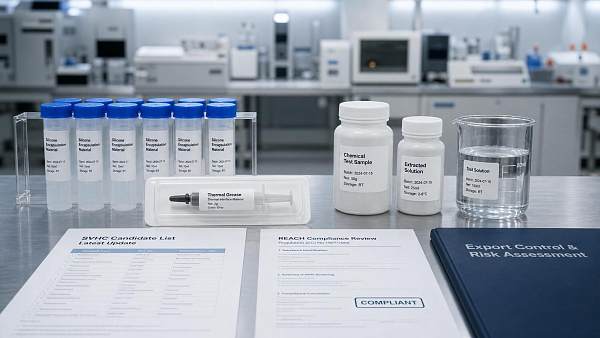
 Aug 16, 2026EU REACH Adds 5 SVHCs, Triggering Mandatory SCIP Reporting from Aug. 15, 2026EU REACH adds 5 SVHCs, making SCIP reporting mandatory from Aug. 15, 2026. Learn how the new REACH candidate list impacts exporters, epoxy adhesives, silicone encapsulants, and EU compliance.
 Aug 12, 2026How Electronics Potting for Power Modules Affects Heat Dissipation and ReliabilityElectronics potting for power modules directly impacts heat dissipation, insulation, and long-term reliability. Learn how to choose materials that reduce risk and improve performance.
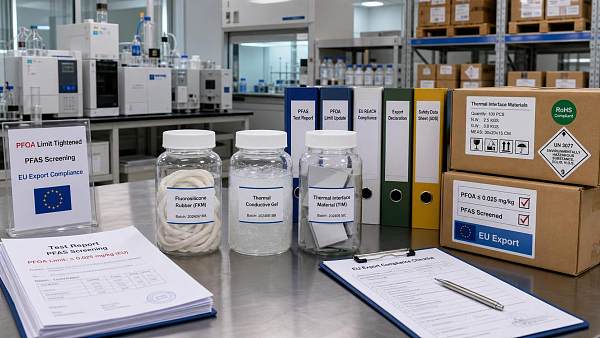
 Aug 11, 2026EU PFOA Rule Takes Full Effect on Aug. 10EU PFOA Rule takes full effect on Aug. 10, tightening REACH limits for electronics and new energy materials. See who is affected, key compliance risks, and what exporters should check now.
 Aug 10, 2026ECHA Tightens PFOA Limit for Fluorinated Silicone ExportsECHA tightens PFOA limit to 25 ppb for fluorinated silicone exports. Learn how Silicone Encapsulants and Thermal Conductive Pastes can meet EU REACH compliance fast.
 Aug 07, 2026How to Choose Electronics Potting for LED Drivers by Heat and IP RatingElectronics potting for LED drivers: learn how to choose the right compound by heat path, IP rating, stress, and cure behavior to improve reliability and simplify selection.
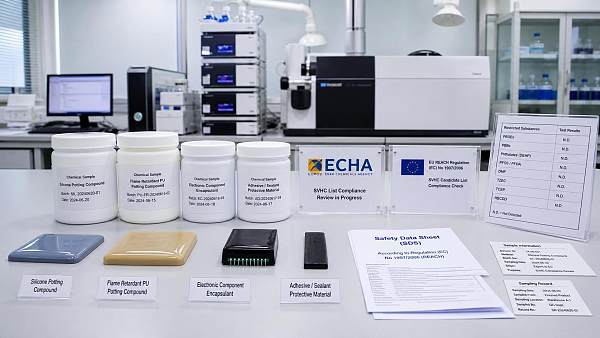
 Jul 26, 2026ECHA Adds Two Flame Retardants to SVHC ListECHA Adds Two Flame Retardants to SVHC List: learn how DPTEBP and TBBPS may affect EU exports, SDS updates, declarations, and October 2026 compliance deadlines.
 Jul 19, 2026ECHA SVHC Update Raises Export Risks for Silicone MaterialsECHA SVHC update raises export risks for silicone materials, including silicone encapsulants and thermal conductive pastes. Learn the REACH, SCIP, and traceability impacts before October 2026.
 Jul 14, 2026Japan’s New JIS Rule Pulls Silicone Encapsulant Orders to ChinaSilicone encapsulant demand is shifting to China as Japan’s new JIS rule nears. See how compliance, certification, and EMS procurement are reshaping orders before October 2026.
 Jul 13, 2026Japan Enforces JIS T 2801-2026 on Silicone EncapsulantsJapan Enforces JIS T 2801-2026 on Silicone Encapsulants: learn how new thermal shock and ion migration tests affect PSE access, supplier approval, and Japan-bound compliance plans.
 Jul 09, 2026How to Evaluate an Electronics Packaging Adhesive Supplier for Yield StabilityElectronics packaging adhesive supplier evaluation starts with yield stability. Learn how to compare consistency, compliance, process fit, and total cost for smarter sourcing.
 Jul 04, 2026How to Evaluate Electronic Potting Materials in Japan for Heat, Moisture, and ComplianceElectronic potting materials Japan: learn how to compare heat resistance, moisture protection, and compliance data to choose reliable compounds for automotive, EV, and electronics projects.
 Jul 03, 2026China Customs Splits Out Silicone Encapsulants HS CodeChina Customs splits out Silicone Encapsulants HS code to 3910.0099, tightening filing, UL/IEC documentation, and rebate timing. See what exporters and buyers must do now.
 Jul 02, 2026China Splits Out Silicone Encapsulants Under New HS CodeChina splits out silicone encapsulants under new HS code 3506.9900.11. See how the rule affects export compliance, tax rebate timing, and global delivery planning.
 Jul 01, 2026China Creates HS 2026.7.11 for Silicone EncapsulantsChina creates HS 2026.7.11 for silicone encapsulants, reshaping customs declarations, rebate timing, and export compliance. Learn what exporters and buyers must review now.
 Jun 29, 2026How to Choose Electronic Potting Sealants for Heat and MoistureElectronic potting sealants for heat and moisture: learn how to match materials to real operating conditions, improve reliability, and avoid costly process mistakes.
 Jun 24, 2026Electronic Packaging Adhesive Price Benchmarks by Cure Type and VolumeElectronic packaging adhesive price benchmarks by cure type and volume. Compare UV, epoxy, silicone, package formats, and hidden process costs to source smarter and cut total line expense.
 Jun 24, 2026East China Silicone Cuts Extend DMC, 107 Gum Lead TimesEast China silicone cuts are extending DMC and 107 gum lead times to 6–8 weeks. Learn how supply pressure, force majeure risk, and procurement delays may affect exports and sealant makers.
 Jun 23, 2026China Silicone Output Cuts Tighten DMC SupplyChina silicone output cuts are tightening DMC supply and extending export lead times. See how firmer prices, 107 rubber shortages, and procurement risks may impact buyers and adhesive manufacturers.
 Jun 21, 2026EV Battery Encapsulation Materials: How to Balance Thermal Safety and ReworkabilityEV battery encapsulation materials guide for balancing thermal safety and reworkability. Compare epoxy, silicone, and polyurethane options to improve EV pack safety, serviceability, and cost.
 Jun 19, 2026Electronics Potting: How to Prevent Cracking and VoidsElectronics potting guide: learn how to prevent cracking and voids by optimizing material choice, mixing, dispensing, and cure control for more reliable assemblies.
 Jun 12, 2026Silicone Potting for Automotive Electronics: Failure Prevention GuideSilicone potting for automotive electronics: learn how to prevent failure by matching material, dispensing, and cure to heat, vibration, moisture, and real vehicle conditions.
 Jun 11, 2026Thermally Conductive Silicone Adhesive: How to Choose for Heat-Sensitive ElectronicsThermally conductive silicone adhesive selection for heat-sensitive electronics goes beyond conductivity. Learn how to compare insulation, flexibility, dispensing, and compliance for safer, longer-lasting designs.




Editor's Selection
The Archive Newsletter
Critical industrial intelligence delivered every Tuesday. Peer-reviewed summaries of the week's most impactful logistics and market shifts.