Dispensing Technology Cost: Equipment, Yield, and Payback
by
Published
Views:
Why does dispensing technology cost rarely match the quoted equipment price?
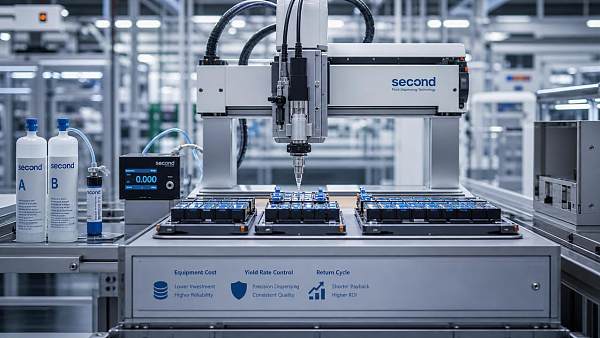
Dispensing technology cost usually starts with a visible number, then expands during implementation.
A valve, robot, controller, or jet system may look affordable on paper.
The larger cost often comes from yield loss, adhesive waste, cycle time, maintenance, and changeover stability.
That is why two lines using the same adhesive can produce very different total dispensing technology cost results.
In electronics assembly, a small over-dispense can waste expensive underfill or silver-containing material.
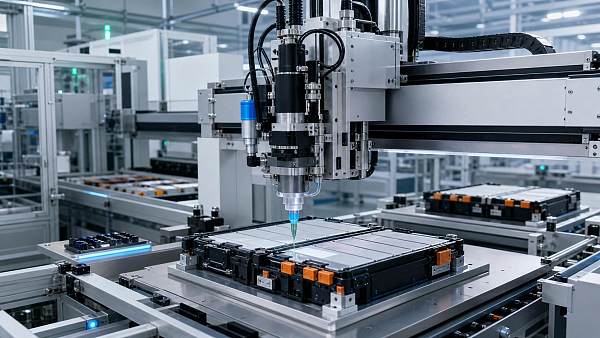
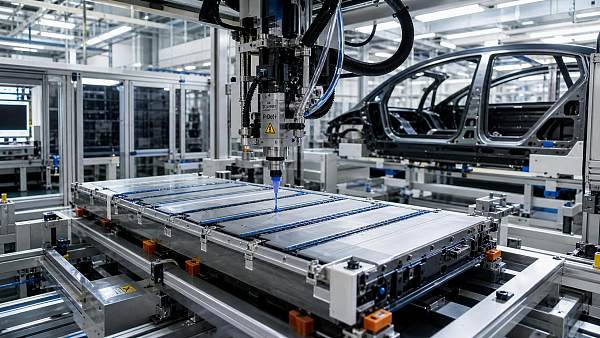
In EV battery potting, inconsistent fill volume can increase rework, thermal risk, and material consumption.
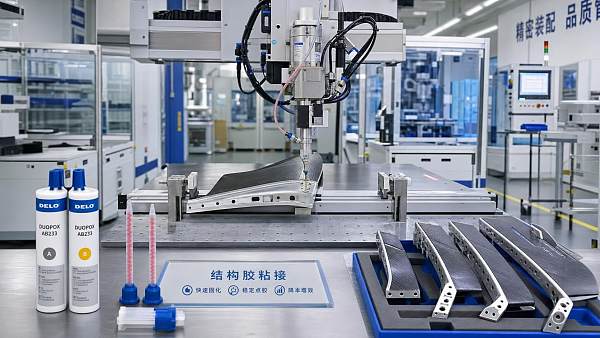
In structural bonding, poor bead control may create scrap that costs far more than the valve itself.
A more useful view is to separate direct and hidden cost.
- Direct cost includes equipment, installation, tooling, software, and operator training.
- Hidden cost includes adhesive overuse, inconsistent curing, downtime, scrap, and delayed ramp-up.
- Strategic cost includes compliance risk, supplier switching difficulty, and poor future scalability.
IADS often frames dispensing decisions this way because material chemistry and fluid control are tightly linked.
When viscosity, curing speed, and bead geometry are ignored, the investment case becomes misleading.
What actually drives dispensing technology cost in daily production?
The main cost drivers are usually simpler than expected, but they interact in complicated ways.
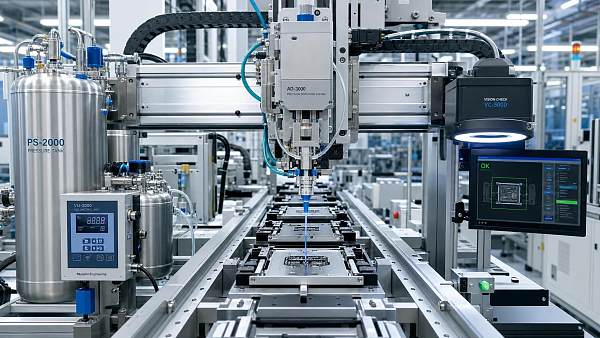
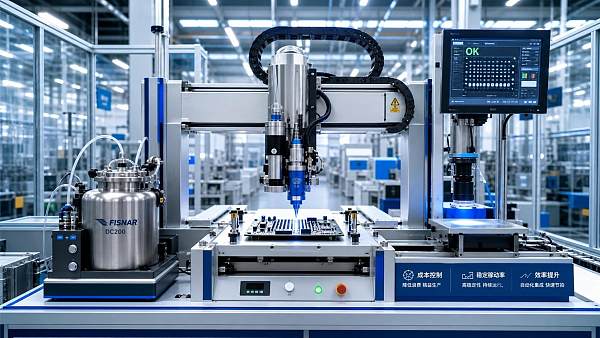
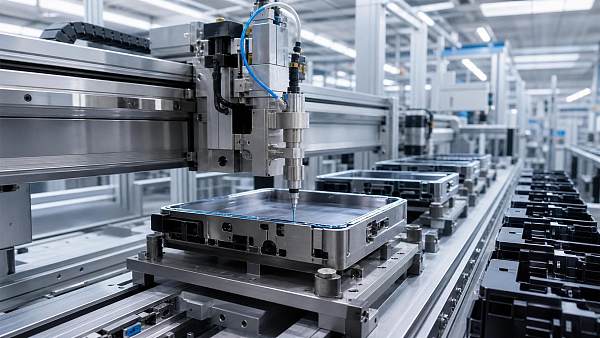
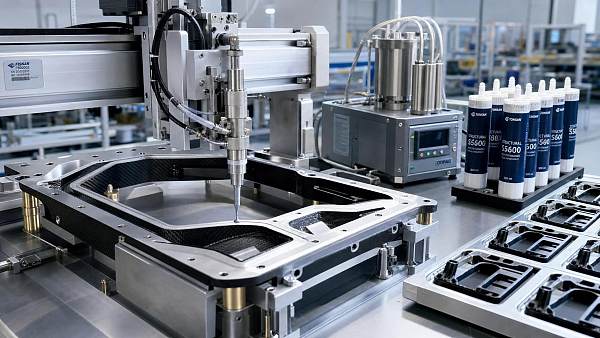
A low-cost dispensing head can become expensive if it creates unstable shots or frequent cleaning stops.
A higher-cost jet valve can be justified when it cuts cycle time and reduces adhesive loss.
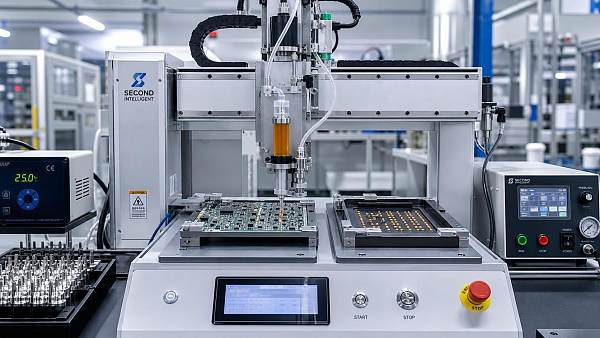
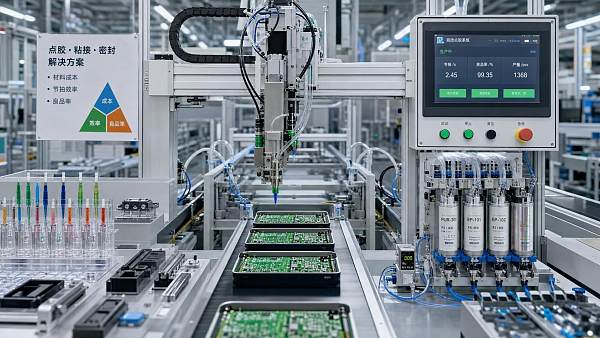
The table below helps compare the most common cost sources.
In practice, adhesive waste is often underestimated during approval.
That matters in UV adhesives, thermal potting compounds, encapsulants, and structural epoxies.
If the process uses microliter shots, even slight drift can distort the business case.
If the process uses large-volume potting, purge waste and mixing loss become bigger cost issues.
When does a more expensive dispensing system become the lower-cost option?
This is usually where the real evaluation starts.
A higher initial dispensing technology cost can still be the cheaper long-term choice.
That happens when better control protects material yield and reduces line instability.
For example, piezoelectric jet valves may carry a premium.
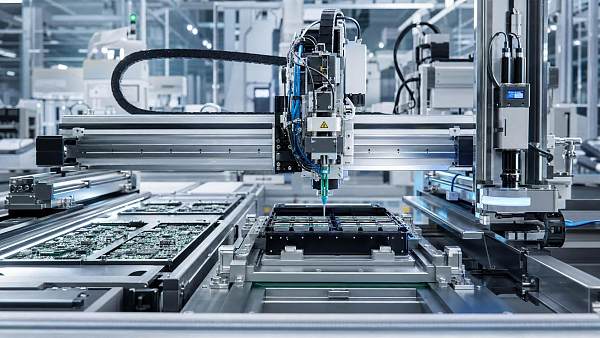
Yet in high-speed electronics, they can reduce contact time, improve placement flexibility, and lift throughput.
A 5-axis platform may also seem excessive for simple paths.
Still, for complex housings, camera modules, or battery pack contours, path accuracy can prevent major rework.
More advanced systems also support better data capture.
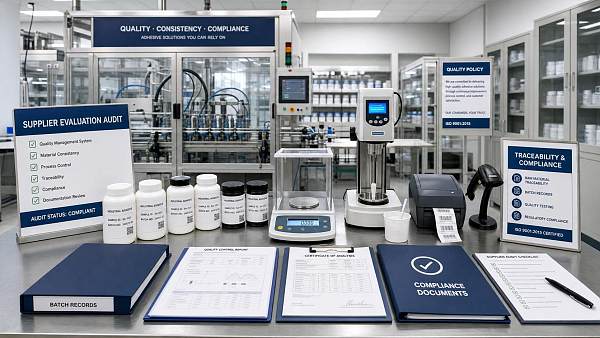
That is increasingly relevant where compliance, traceability, and process validation affect supplier approval.
A practical comparison often includes these questions:
- Does the system reduce adhesive consumption per unit?
- Can it maintain repeatability during long shifts?
- Will it support new materials without a full hardware replacement?
- Does it lower dependence on manual adjustment?
- Can it shorten validation time for future programs?
If several answers are yes, the higher quote may actually represent lower dispensing technology cost over time.
How should payback be calculated without oversimplifying the ROI?
Payback is often reduced to equipment price divided by labor savings.
That shortcut misses the largest operational variables.
A stronger model starts with baseline process data.
Include actual adhesive usage, reject rate, rework hours, maintenance events, takt impact, and ramp-up loss.
Then compare those numbers against the proposed dispensing setup.
For many projects, four payback elements matter most:
- Material savings from tighter shot control or cleaner mixing.
- Output gain from faster motion, jetting, or less manual handling.
- Quality improvement from fewer voids, misplacement errors, or cure defects.
- Risk reduction from better traceability and more stable process windows.
Need a quick rule of thumb?
If the fluid is expensive, the yield effect usually dominates.
If line volume is high, throughput and downtime often dominate.
If product failure is costly, scrap avoidance may justify the entire investment.
This is especially true in battery assemblies, electronics packaging, and sealed structural joints.
Which mistakes make dispensing technology cost look better than it really is?
The most common mistake is approving equipment before confirming fluid behavior.
A system that works with one UV glue may struggle with a filled thermal material.
Another mistake is using supplier sample results as a full production forecast.
Bench tests are useful, but they rarely capture long-shift wear, temperature variation, or operator differences.
It is also risky to evaluate only capital cost.
Low upfront pricing can hide high consumable use, unstable mixing, or difficult spare-part sourcing.
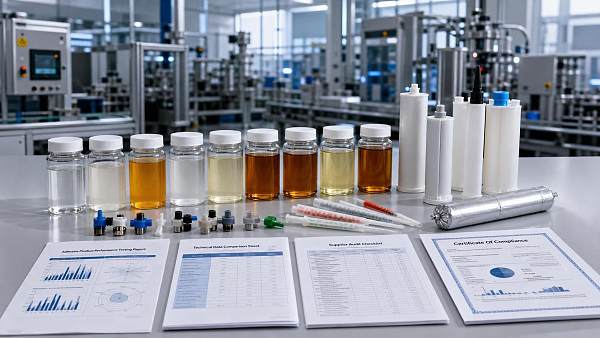
The checklist below helps challenge weak assumptions before approval.
These checks matter across sectors covered by IADS, from consumer electronics to rail sealing and wind blade bonding.
Different applications use different materials, but the logic behind dispensing technology cost stays remarkably consistent.
What is a practical way to compare options before making a final decision?
Start by narrowing the decision to a small set of measurable variables.
That keeps discussion focused on process value rather than brand claims.
A useful comparison sheet should include material type, viscosity range, target volume, line speed, maintenance interval, and waste rate.
It should also include the cost of poor performance, not only the cost of equipment.
In actual sourcing reviews, the strongest decisions usually come from pilot data plus cross-functional process assumptions.
That is where a technical intelligence source can help.
IADS is valuable because it connects adhesive behavior, dispensing accuracy, compliance, and production economics in one framework.
That broader view helps distinguish a cheap quote from a sound investment.
If a decision is still unclear, focus on three next steps.
- Map current adhesive use and quantify avoidable waste.
- Run a production-relevant trial with actual materials and target cycle time.
- Compare payback using yield, scrap, downtime, and flexibility together.
Dispensing technology cost becomes easier to judge once the process is measured in operational terms.
The best decision is rarely the cheapest machine.
It is the option that protects material value, supports stable output, and reaches payback with fewer surprises.
Recommended News
 Sep 11, 2026What key criteria should EMS engineers compare when evaluating adhesive suppliers?What should I compare when choosing an industrial adhesive supplier? Discover 6 critical criteria EMS engineers must evaluate—beyond price—to ensure reliability, compliance & process yield.
 Sep 05, 2026How to size camera module assembly equipment for pilot productionCamera module assembly equipment sizing guide for pilot production—balance cycle time, precision, curing, traceability, and scalable automation.
 Aug 29, 2026What drives micro-dispensing engineering cost in automated assembly?Micro-dispensing engineering cost is driven by fluid behavior, precision, motion, vision, curing, validation, and uptime. Discover how to control total assembly cost.
 Aug 24, 2026When vacuum potting encapsulation is worth the extra process costVacuum potting encapsulation is worth the extra cost when hidden voids threaten insulation, thermal performance, or long-term reliability. Learn when it reduces risk and protects ROI.
 Aug 22, 2026What drives yield loss in the camera module assembly processCamera module assembly process yield loss often starts with adhesive variation, contamination, curing drift, and alignment shift. Learn the hidden causes and practical fixes.
 Aug 21, 2026What drives camera module adhesives price in high-volume assemblyCamera module adhesives price depends on cure speed, dispensing stability, optical reliability, and supplier consistency. Learn how to compare quotes wisely and reduce total assembly cost.
 Aug 13, 2026Automotive Adhesive Bonding Cost: What Drives Total Assembly Spend?Automotive adhesive bonding cost goes far beyond material price—discover the hidden drivers behind total assembly spend, from curing and dispensing to scrap, uptime, and warranty risk.
 Aug 20, 2026Inspection Points That Matter When Evaluating Used Rubber MachineryUsed rubber machinery inspection starts with process fit, then checks wear, controls, safety, and relocation risk—learn the key points to cut hidden costs and buy with confidence.
 Aug 09, 2026How the Camera Module Assembly Process Affects Yield and Alignment AccuracyCamera module assembly process directly impacts yield and alignment accuracy. Learn how dispensing, curing, and active alignment choices reduce defects and improve optical performance.
 Aug 06, 2026How to Evaluate Lightweight Bonding Solutions for Rail InteriorsLightweight bonding solutions for rail: learn how to compare fire safety, substrate compatibility, vibration durability, and process efficiency to choose smarter rail interior bonding systems.
 Aug 01, 2026What Drives Automated Dispensing Cost in High-Volume Assembly Lines?Automated dispensing cost depends on more than machine price. Learn the key drivers—materials, accuracy, cycle time, maintenance, and scrap—to compare suppliers and cut total assembly line cost.
 Jul 29, 2026What Fluid Dispensing Precision Really Costs in Yield, Rework, and Cycle TimeFluid dispensing precision directly impacts yield, rework, and cycle time. Learn how hidden dispensing costs erode margins and what to verify before investing.
 Jul 28, 2026Automated Dispensing Integration: Cost, Uptime, and ROI FactorsAutomated dispensing integration: learn how to reduce cost, improve uptime, and strengthen ROI with smarter material selection, maintenance planning, software integration, and validation strategies.
 Jul 24, 2026How to Evaluate Lightweight Assembly Adhesives for Faster Bonding and Lower Total CostLightweight assembly adhesives: learn how to compare cure speed, dispensing stability, substrate fit, and total cost to choose faster, more reliable bonding solutions.
 Jul 23, 2026Desktop Automated Dispensing Systems: Cost, Accuracy, and ROI Factors to CompareDesktop automated dispensing systems compared by cost, accuracy, and ROI. Learn how to evaluate repeatability, integration, throughput, and long-term savings before you buy.
 Jul 18, 2026Display Bonding Cost Breakdown: Materials, Yield, and EquipmentDisplay bonding cost explained: compare materials, yield, and equipment to uncover hidden expenses, reduce scrap, and make smarter sourcing decisions with confidence.
 Jul 15, 2026Adhesive Joint Evaluation Supplier Checklist for Reliable Test ResultsAdhesive joint evaluation supplier checklist for reliable test results. Compare labs, reduce risk, verify quality systems, and choose a partner with confidence.
 Jul 14, 2026Automotive Adhesive Market Trends to Watch in 2026Adhesive market trends automotive leaders should watch in 2026: EV battery materials, lightweight bonding, automation fit, and compliance shifts shaping smarter sourcing decisions.
 Jul 14, 2026Industrial Adhesives for Assembly: Cost vs ThroughputIndustrial adhesives for assembly: compare cost vs throughput, uncover hidden process costs, and choose faster, more reliable bonding solutions for higher line efficiency.
 Jul 13, 2026Structural Sealing Cost: What Drives Total Assembly SpendStructural sealing cost goes beyond material price. Learn what drives total assembly spend and how smarter sealants, dispensing, and cure control can cut waste and improve ROI.
 Jul 12, 2026When Automated Dispensing Systems Manufacturers Deliver Better Assembly ROIAutomated dispensing systems manufacturer selection drives assembly ROI when it cuts material waste, boosts precision, and supports scalable integration. Learn what separates true process partners from machine sellers.
 Jul 10, 2026Adhesive Supplier Evaluation Audit: What to Check Before ApprovalAdhesive supplier evaluation audit guide: learn what to check before approval, from quality systems and batch consistency to compliance, safety, and process capability.
 Jul 08, 2026Adhesive Total Cost Model: What Actually Drives Assembly Cost?Adhesive total cost model explained: discover what really drives assembly cost beyond unit price, from labor and cycle time to scrap, maintenance, compliance, and throughput.
 Jul 04, 2026Adhesive Supplier Intelligence Platform: What to Compare Before Shortlisting VendorsAdhesive supplier intelligence platform guide: compare application fit, compliance, dispensing compatibility, and supply reliability before shortlisting vendors for faster, lower-risk sourcing.
Editor's Selection
The Archive Newsletter
Critical industrial intelligence delivered every Tuesday. Peer-reviewed summaries of the week's most impactful logistics and market shifts.