
Structural Sealing Cost: What Drives Total Assembly Spend
by
Published
Views:
Structural sealing cost is rarely just a material line item—it reflects labor, dispensing accuracy, curing time, rework risk, compliance, and long-term durability. For financial approvers, understanding what truly drives total assembly spend is essential to judging ROI, supplier value, and process efficiency. This article breaks down the cost factors behind structural sealing decisions and shows where smarter material and equipment choices can reduce overall manufacturing expense.
In industrial assembly, the sealing layer may represent only 3% to 12% of direct BOM cost, yet it can influence 20% to 40% of downstream quality expense when process control is weak. That is why structural sealing decisions matter not only to engineering teams, but also to finance, sourcing, and plant management.
For buyers reviewing adhesive systems, sealants, dispensing valves, or automated fluid control equipment, the real question is not simply price per kilogram or price per cartridge. The better question is how structural sealing cost behaves across the full assembly cycle, from material storage and dosing to cure, inspection, field durability, and possible warranty exposure.
What Structural Sealing Cost Really Includes
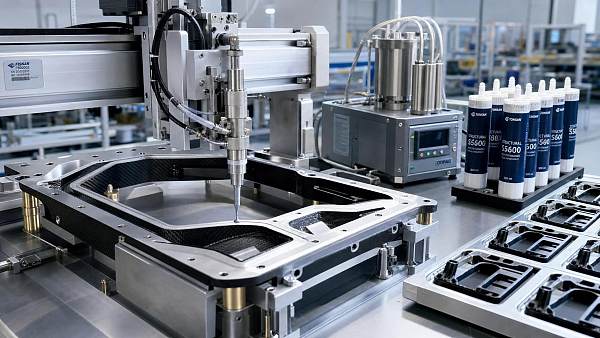
Financial approvers often receive quotes that separate adhesive price, dispensing hardware, and line setup. In practice, structural sealing cost is a combined manufacturing variable. It includes at least 6 cost layers: material consumption, application labor, equipment depreciation, energy use, scrap, and compliance management.
A polyurethane or 2K epoxy sealant that appears 15% more expensive per unit may still lower total assembly spend if it reduces bead variation from ±12% to ±4%, shortens cure staging by 30 minutes, or cuts rework by 2 to 5 points. These changes affect cash flow, labor loading, WIP levels, and output stability.
Direct Cost vs. Total Cost
Direct cost usually covers the sealant itself, primers if required, static mixers, cartridges, pails, drums, and dispensing consumables. Total cost expands the scope. It includes setup time, purge loss, line stoppages, operator training, incoming inspection, cure validation, preventive maintenance, and reject handling.
In many plants, purge and startup waste alone can consume 2% to 8% of adhesive volume. If a line runs 3 shifts and changes material twice per week, annual waste can become financially significant even before labor and disposal fees are added.
Common hidden cost elements
- Excess bead width that increases material use by 5% to 20%
- Manual rework caused by inconsistent mix ratio or poor wetting
- Fixture time that slows takt time from 45 seconds to 70 seconds
- Temperature or humidity sensitivity requiring tighter storage control
- Regulatory review for RoHS, REACH SVHC, halogen-free, or VOC limits
The table below shows how finance teams can distinguish visible sealing expense from the less visible drivers that often determine the final cost per assembled unit.
The key takeaway is simple: the cheapest sealant on a quote sheet may become the most expensive option when cure delay, poor dispensing control, or low durability increases total assembly spend. Structural sealing cost must be reviewed at process level, not only at purchase-price level.
The Main Drivers Behind Total Assembly Spend
Across automotive, electronics, rail, EV battery, wind blade, and industrial equipment production, the biggest cost drivers usually fall into 5 categories. Each one can shift unit economics by several percentage points, especially in medium-volume lines running 10,000 to 200,000 assemblies per month.
1. Material yield and bead design
A structural seal with a 4 mm bead instead of a 3 mm bead does not increase usage by only one-third in every geometry. Depending on path length, overlap, and gap fill, actual volume consumption may rise by 25% to 45%. Overapplication is one of the fastest ways to inflate structural sealing cost.
Finance teams should ask whether the quoted formulation supports narrower, repeatable beads without losing lap shear, peel resistance, or environmental sealing performance. If yes, the material with the higher unit price may still produce lower cost per functional joint.
2. Dispensing accuracy and automation level
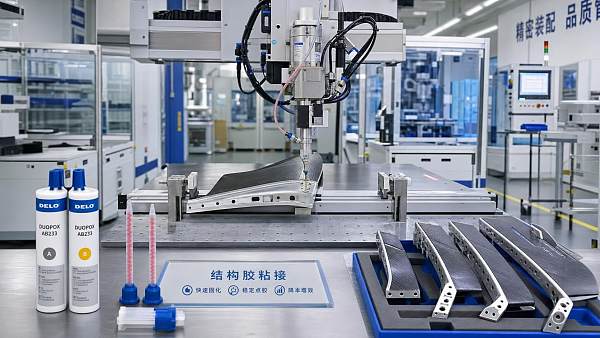
Manual dispensing often works in low-volume assembly, but it introduces higher variation in bead start-stop control, angle stability, and deposited volume. Semi-automatic and automated platforms, including meter-mix systems, jet valves, and vision-guided dispensing, can reduce variation and improve repeatability across 8-hour or 24-hour production windows.
A system that holds volume accuracy within ±2% to ±5% can materially reduce overuse when compared with a manually controlled process drifting beyond ±10%. On high-value products such as battery packs, camera modules, or bonded metal-plastic structures, that difference often pays back equipment investment within 9 to 24 months.
3. Cure speed and work-in-process inventory
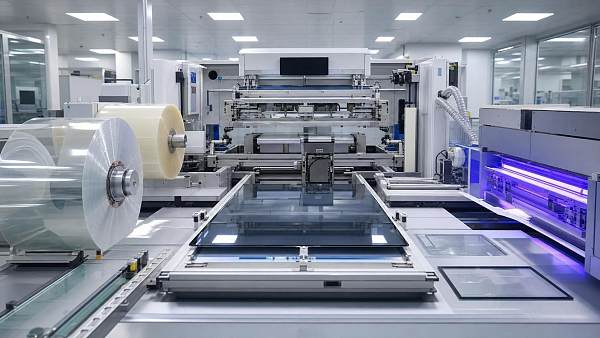
Cure behavior directly affects line design and inventory cost. A room-temperature sealant with a 6-hour handling window may require extra racks, more floor space, and delayed downstream operations. A UV-curing or heat-accelerated system may shorten fixture time to seconds or minutes, but it can also require lamp investment, shielding, or thermal energy input.
Financial evaluation should compare not just cure chemistry, but queue time, labor touchpoints, and throughput loss. In some lines, reducing cure-related waiting by even 20 minutes per batch can release meaningful capacity without adding another operator.
4. Rework, scrap, and warranty exposure
Poor adhesion to aluminum, coated steel, engineering plastics, glass, or composite substrates can create hidden losses long after production release. Rework rates of 1% to 3% may look acceptable on paper, but become expensive when disassembly damages nearby components or when seal failure is discovered only at leak test, vibration test, or final audit.
In regulated or safety-sensitive sectors, structural sealing cost must also include the cost of non-conformance investigations, production holds, and customer complaint handling. The financial burden is rarely limited to the failed adhesive volume.
5. Compliance and supply continuity
For exporters and multinational manufacturers, documentation readiness matters. Missing declarations for REACH, RoHS, halogen status, or VOC content can delay approvals by 1 to 3 weeks. If a material must be requalified due to documentation gaps or unstable lead times, the procurement cost of switching can exceed any initial unit-price savings.
Approvers should verify whether suppliers can support stable packaging formats, batch traceability, shelf-life control, and technical response times within 24 to 72 hours. Supply discipline is a cost factor, not only a purchasing preference.
How to Evaluate Structural Sealing Cost for Financial Approval
A useful approval model combines process metrics with commercial terms. Instead of focusing on one quote number, decision-makers should compare scenarios using a unit-cost framework across at least 4 dimensions: material, labor, equipment, and risk. This approach is especially relevant when replacing welding, riveting, tapes, or manual gasketing.
Build a per-unit cost model
Start with a simple formula: total sealing cost per assembly = material consumed + application labor + equipment allocation + QC/rework cost + compliance overhead. Even a basic model can reveal large differences between options that look similar at purchase stage.
- Measure actual deposited volume, not theoretical volume only.
- Track purge waste and startup loss over at least 5 production days.
- Include operator time for loading, cleaning, and inspection.
- Amortize pumps, valves, or automation over 24 to 60 months.
- Add expected scrap and rework cost using internal defect history.
The comparison table below helps financial approvers review common sealing choices using a practical cost lens rather than a raw material-price lens.
This comparison shows why structural sealing cost should be reviewed as a cost-per-good-unit metric. A lower purchase price has limited value if bead inconsistency, cure delay, or sealing failure increases cost at every later step.
Questions finance should ask suppliers
Technical-commercial checklist
- What is the typical shelf life: 3 months, 6 months, or 12 months?
- What dispensing method is recommended: cartridge, pail, drum, or meter-mix?
- What bead or shot repeatability can the proposed system achieve?
- Does the cure profile support current takt time and fixture availability?
- What substrate combinations have been validated: metal-metal, metal-plastic, composite-metal?
- What documents are available for compliance review and export approval?
These questions help convert technical data into financial relevance. They also reduce the risk of approving a low-price material that later requires extra capex, more inspection, or a costly process redesign.
Where Smarter Material and Equipment Choices Reduce Cost
The best savings opportunities usually come from combining material selection with process control. Structural sealing cost drops fastest when plants reduce variation, simplify handling, and align chemistry with line speed. In many cases, the gain comes from system matching rather than from buying the cheapest component.
Choose chemistry for process fit
2K epoxy systems often support high structural strength and gap filling, but they require reliable mix control and cleanup discipline. Polyurethane sealants can offer flexibility and impact resistance, though moisture sensitivity and cure timing must be managed. Silicone systems may provide superior temperature stability, yet lower mechanical strength can limit structural roles in some assemblies.
No single chemistry is universally lowest cost. The right choice depends on substrate pair, production tempo, environmental exposure, and acceptable cure window. Finance should request comparative trials based on 3 to 5 measurable KPIs rather than generic performance claims.
Invest in dispensing where repeatability matters
When assemblies require narrow tolerances, automated dispensing can protect margin. Piezoelectric jetting, precision volumetric pumps, static mixing, and multi-axis motion systems are especially useful when bead placement must stay within tight paths or when shot size is measured in microliters to low milliliters.
A plant does not always need full automation. For some applications, moving from hand application to semi-automatic dispensing provides 60% to 80% of the benefit at lower capex. The financial goal is to match equipment investment with defect risk and annual throughput.
Reduce waste through packaging and handling
Structural sealing cost also depends on packaging logic. Cartridges may be convenient for prototyping or low-volume use, while pails or drums can lower unit cost in continuous production. However, bulk formats only save money if the plant can maintain clean feed lines, stable pumps, and proper storage between 10°C and 25°C where required by the material.
Expired inventory, poor FIFO control, and unnecessary partial-pack disposal can quietly erode margins. Financial approvers should ask for expected consumption by shift, package change frequency, and realistic shelf-life utilization before approving larger-volume purchases.
Use pilot validation to avoid expensive scaling mistakes
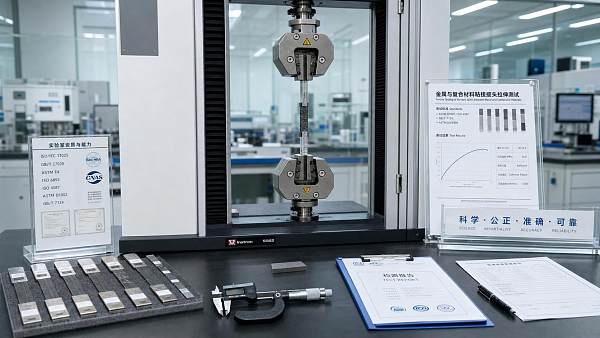
A controlled production trial is usually cheaper than post-launch correction. A practical pilot may run for 3 stages: bench test, line-side trial, and short production validation. Over 1 to 2 weeks, teams can measure deposit consistency, cure behavior, leak integrity, operator handling, and reject rate under actual plant conditions.
This reduces the chance of selecting a formulation that performs well in lab coupons but poorly on real assemblies with coated surfaces, thermal cycling, vibration, or mixed-material joints. For finance, pilot validation improves approval confidence and reduces change-order risk.
Common Approval Mistakes and How to Avoid Them
Even experienced organizations can misread structural sealing cost when procurement, engineering, and finance work from different metrics. Most avoidable mistakes fall into 4 patterns, and each one can be corrected with a better review process.
Mistake 1: Approving by price per kg only
A lower quoted material price does not guarantee a lower cost per assembly. If transfer efficiency is poor, if bead size is oversized, or if cure time slows production, the financial result may be worse despite the cheaper purchase price.
Mistake 2: Ignoring dispensing compatibility
Materials and equipment must work as one process. A sealant with short pot life or high viscosity may require different pumps, mixers, or valve settings. If compatibility is ignored, the line may face unstable output, maintenance burden, or extra consumable use within the first 30 to 90 days.
Mistake 3: Underestimating quality cost
Leak failure, poor adhesion, and cosmetic inconsistency may each trigger different inspection and correction costs. Finance teams should request defect categories separately rather than accepting one blended scrap number. That makes structural sealing cost more transparent and easier to improve.
Mistake 4: Treating compliance as an afterthought
Late-stage compliance review can delay launches and supplier approvals. Documentation should be checked before trial expansion, especially for cross-border shipments or applications involving electronics, transportation, or battery-related assemblies.
A practical approval framework
A disciplined review can be completed in 4 steps: define application requirement, compare total process cost, validate with pilot data, and confirm compliance plus supply continuity. This framework keeps engineering detail connected to commercial decision-making.
Structural sealing cost becomes easier to control when all stakeholders evaluate the same outcome: stable output, lower waste, manageable capex, and durable field performance. That is the level at which sealing strategy starts to support profitability, not merely production.
For financial approvers, the most reliable decision is rarely the one with the lowest quoted adhesive price. It is the one that balances material efficiency, dispensing precision, cure speed, compliance readiness, and long-term reliability across the full assembly lifecycle. In sectors served by IADS, from electronics and EV batteries to automotive, rail, packaging, and industrial equipment, that broader view is what turns structural sealing from a cost center into a controlled manufacturing variable.
If you are comparing structural adhesives, sealants, dispensing systems, or automated fluid control options, a total-cost review will reveal where real savings are possible. Contact us to discuss your application, request a tailored evaluation framework, or explore more solutions that reduce structural sealing cost without compromising process stability.
Recommended News
 Oct 07, 2026What drives adhesive bonding for electronics cost per assembly?Adhesive bonding for electronics cost explained: compare material, curing, yield, labor, and risk to reduce total cost per accepted assembly.
 Sep 30, 2026When does dispensing process automation equipment lower assembly costs?Dispensing process automation equipment lowers assembly costs by reducing adhesive waste, rework, cycle time, and quality risks. Discover when automation delivers measurable ROI.
 Sep 19, 2026Can structural adhesive replace screws in electronics without losing serviceability?Can structural adhesive replace screws in electronics assembly? Explore serviceability, grounding, thermal performance, and hybrid fastening strategies for reliable designs.
 Sep 20, 2026Adhesive Instead of Rivets: When Bonded Joints Lower Assembly Cost and WeightAdhesive instead of rivets: discover when bonded joints reduce assembly cost and weight, improve sealing, and support smarter high-volume manufacturing.
 Sep 11, 2026What key criteria should EMS engineers compare when evaluating adhesive suppliers?What should I compare when choosing an industrial adhesive supplier? Discover 6 critical criteria EMS engineers must evaluate—beyond price—to ensure reliability, compliance & process yield.
 Sep 05, 2026How to size camera module assembly equipment for pilot productionCamera module assembly equipment sizing guide for pilot production—balance cycle time, precision, curing, traceability, and scalable automation.
 Aug 29, 2026What drives micro-dispensing engineering cost in automated assembly?Micro-dispensing engineering cost is driven by fluid behavior, precision, motion, vision, curing, validation, and uptime. Discover how to control total assembly cost.
 Aug 24, 2026When vacuum potting encapsulation is worth the extra process costVacuum potting encapsulation is worth the extra cost when hidden voids threaten insulation, thermal performance, or long-term reliability. Learn when it reduces risk and protects ROI.
 Aug 22, 2026What drives yield loss in the camera module assembly processCamera module assembly process yield loss often starts with adhesive variation, contamination, curing drift, and alignment shift. Learn the hidden causes and practical fixes.
 Aug 21, 2026What drives camera module adhesives price in high-volume assemblyCamera module adhesives price depends on cure speed, dispensing stability, optical reliability, and supplier consistency. Learn how to compare quotes wisely and reduce total assembly cost.
 Aug 13, 2026Automotive Adhesive Bonding Cost: What Drives Total Assembly Spend?Automotive adhesive bonding cost goes far beyond material price—discover the hidden drivers behind total assembly spend, from curing and dispensing to scrap, uptime, and warranty risk.
 Aug 20, 2026Inspection Points That Matter When Evaluating Used Rubber MachineryUsed rubber machinery inspection starts with process fit, then checks wear, controls, safety, and relocation risk—learn the key points to cut hidden costs and buy with confidence.
 Aug 09, 2026How the Camera Module Assembly Process Affects Yield and Alignment AccuracyCamera module assembly process directly impacts yield and alignment accuracy. Learn how dispensing, curing, and active alignment choices reduce defects and improve optical performance.
 Aug 06, 2026How to Evaluate Lightweight Bonding Solutions for Rail InteriorsLightweight bonding solutions for rail: learn how to compare fire safety, substrate compatibility, vibration durability, and process efficiency to choose smarter rail interior bonding systems.
 Aug 01, 2026What Drives Automated Dispensing Cost in High-Volume Assembly Lines?Automated dispensing cost depends on more than machine price. Learn the key drivers—materials, accuracy, cycle time, maintenance, and scrap—to compare suppliers and cut total assembly line cost.
 Jul 29, 2026What Fluid Dispensing Precision Really Costs in Yield, Rework, and Cycle TimeFluid dispensing precision directly impacts yield, rework, and cycle time. Learn how hidden dispensing costs erode margins and what to verify before investing.
 Jul 28, 2026Automated Dispensing Integration: Cost, Uptime, and ROI FactorsAutomated dispensing integration: learn how to reduce cost, improve uptime, and strengthen ROI with smarter material selection, maintenance planning, software integration, and validation strategies.
 Jul 24, 2026How to Evaluate Lightweight Assembly Adhesives for Faster Bonding and Lower Total CostLightweight assembly adhesives: learn how to compare cure speed, dispensing stability, substrate fit, and total cost to choose faster, more reliable bonding solutions.
 Jul 23, 2026Desktop Automated Dispensing Systems: Cost, Accuracy, and ROI Factors to CompareDesktop automated dispensing systems compared by cost, accuracy, and ROI. Learn how to evaluate repeatability, integration, throughput, and long-term savings before you buy.
 Jul 18, 2026Display Bonding Cost Breakdown: Materials, Yield, and EquipmentDisplay bonding cost explained: compare materials, yield, and equipment to uncover hidden expenses, reduce scrap, and make smarter sourcing decisions with confidence.
 Jul 15, 2026Adhesive Joint Evaluation Supplier Checklist for Reliable Test ResultsAdhesive joint evaluation supplier checklist for reliable test results. Compare labs, reduce risk, verify quality systems, and choose a partner with confidence.
 Jul 14, 2026Automotive Adhesive Market Trends to Watch in 2026Adhesive market trends automotive leaders should watch in 2026: EV battery materials, lightweight bonding, automation fit, and compliance shifts shaping smarter sourcing decisions.
 Jul 14, 2026Industrial Adhesives for Assembly: Cost vs ThroughputIndustrial adhesives for assembly: compare cost vs throughput, uncover hidden process costs, and choose faster, more reliable bonding solutions for higher line efficiency.
 Jul 13, 2026Structural Sealing Cost: What Drives Total Assembly SpendStructural sealing cost goes beyond material price. Learn what drives total assembly spend and how smarter sealants, dispensing, and cure control can cut waste and improve ROI.









Editor's Selection
The Archive Newsletter
Critical industrial intelligence delivered every Tuesday. Peer-reviewed summaries of the week's most impactful logistics and market shifts.