Precision Dispensing Technology: How to Reduce Material Waste
by
Published
Views:
Precision Dispensing Technology: How to Reduce Material Waste
For procurement teams, precision dispensing technology is more than a process upgrade—it is a practical way to reduce material waste, improve consistency, and control total production cost.
From adhesives and sealants to encapsulants and potting compounds, the right dispensing solution changes how efficiently every gram is used.
That matters when material prices rise, tolerances tighten, and scrap directly affects margin.
In real production, waste rarely comes from one dramatic failure.
More often, it comes from over-application, unstable flow, poor shot repeatability, rework, and line stoppages.
Why Precision Dispensing Technology Matters for Cost Control
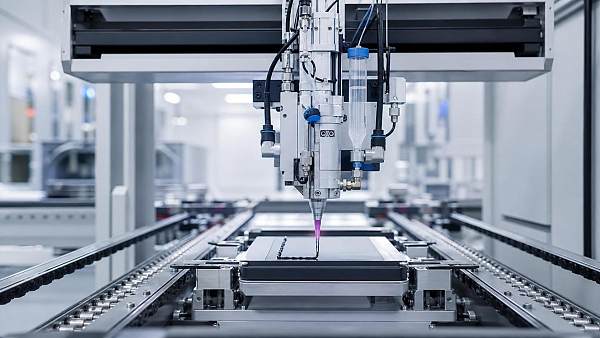
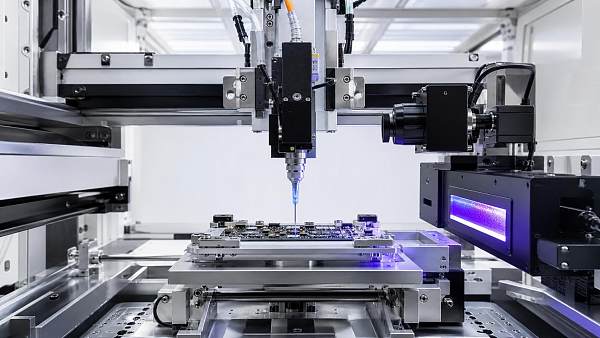
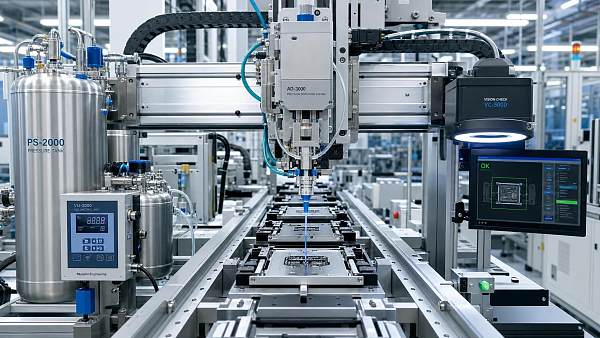
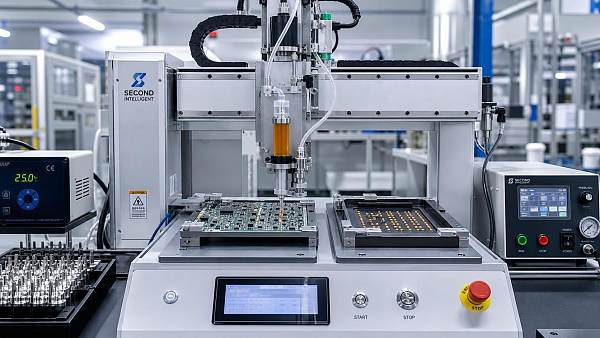
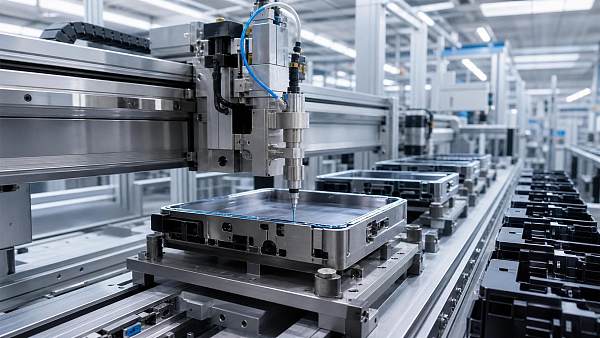
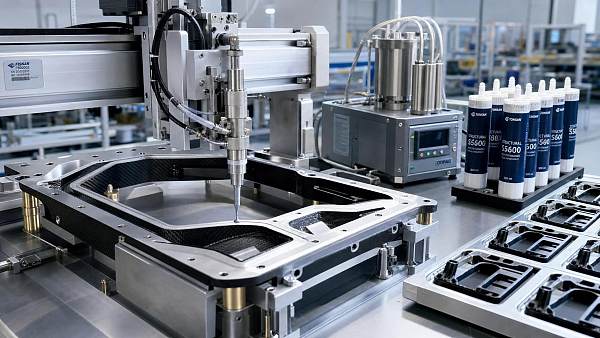
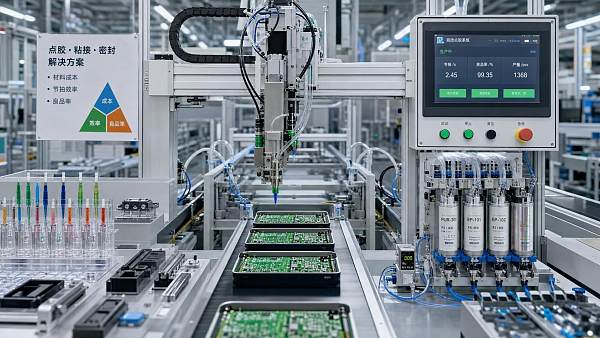
Precision dispensing technology controls how much material is applied, where it lands, and how consistently it repeats.
This sounds technical, but the buying impact is simple.
Better fluid control lowers material consumption per unit and reduces hidden costs around rejects, cleaning, and downtime.
For high-value fluids, even small dosing errors become expensive.
That includes electronic adhesives, UV-curing glues, thermal potting compounds, and two-part structural materials.
A line that over-dispenses by a fraction each cycle may lose thousands of dollars over a year.
This is why precision dispensing technology often delivers value faster than expected.
Where waste usually starts
Material waste often begins before anyone notices a quality problem.
- Valve response is too slow for the target shot size.
- Viscosity changes are not matched by pressure control.
- Mix ratio drifts in 2K systems.
- Needle contact damages delicate surfaces.
- Manual adjustment creates operator-to-operator variation.
- Cleaning cycles consume more fluid than expected.
How Precision Dispensing Technology Reduces Material Waste
The main advantage of precision dispensing technology is measurable control.
Instead of adding a safety margin with extra material, manufacturers can apply only what the design truly needs.
That shift supports both cost reduction and process confidence.
1. Tighter shot repeatability
Repeatable volume is the foundation of low-waste dispensing.
When every dot, bead, or fill pattern stays within tolerance, overuse drops immediately.
This is especially important for micro-dosing and narrow bead applications.
2. Better placement accuracy
Misplaced adhesive creates two losses at once.
The first is wasted material. The second is rework or scrap.
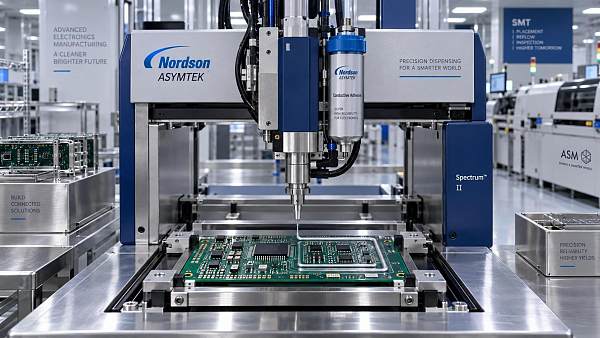
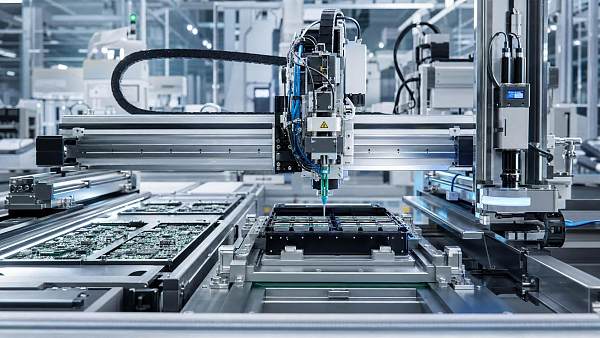
Precision dispensing technology improves line accuracy through controlled motion, stable valves, and vision-guided positioning when needed.
3. Cleaner starts and stops
Stringing, tailing, and dripping waste more than material.
They also slow throughput and increase maintenance time.
High-performance jet valves and well-matched dispense heads reduce these problems at the source.
4. Lower rework in sensitive assemblies
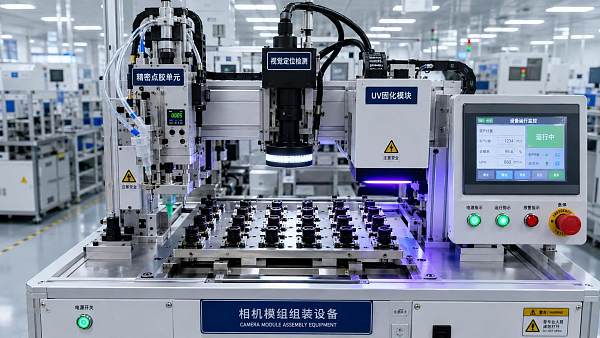
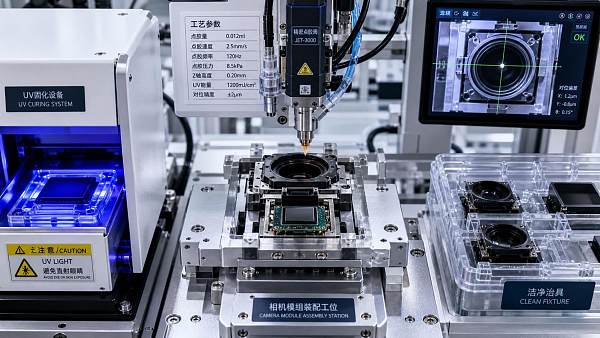
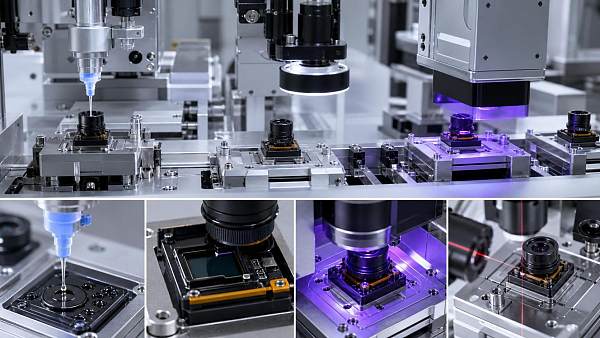
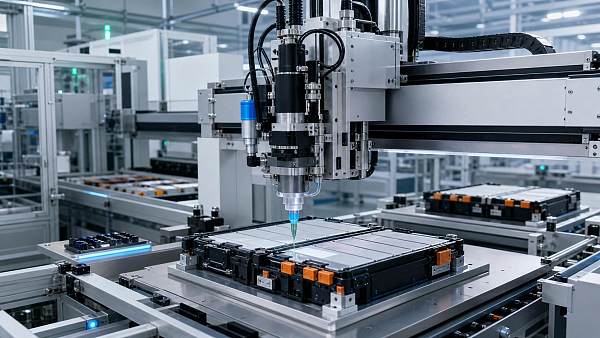
Electronics, EV battery modules, camera parts, and sealed assemblies leave little room for excess fluid.
Precision dispensing technology helps maintain target geometry without contaminating nearby parts.
That reduces cleaning, inspection failures, and field risk.
What to Evaluate Before Buying a Dispensing System
A lower equipment price does not always mean a lower operating cost.
In practice, the right buying decision depends on material behavior, required accuracy, and total process stability.
This is where procurement and engineering need the same data.
Key technical checkpoints
- Material viscosity range and temperature sensitivity.
- Required dispense volume, pattern, and cycle speed.
- Need for contact dispensing or non-contact jetting.
- Compatibility with 1K or 2K materials.
- Mixing method, purge rate, and dead volume.
- Integration with automation, sensors, and vision systems.
Questions that reveal real value
A supplier should explain more than machine features.
They should show how precision dispensing technology reduces waste in your exact process window.
- What volume tolerance is proven with our material?
- How does the system handle viscosity drift?
- What is the expected purge or cleaning loss per shift?
- How often do critical seals, nozzles, or mixers require replacement?
- Can the supplier support trials with production-like parameters?
Comparing Cost Beyond the Equipment Price
A smart sourcing decision compares total cost of ownership, not only capital cost.
This is where precision dispensing technology often outperforms cheaper alternatives.
The savings show up across material use, labor, uptime, and quality cost.
When material cost is high, the payback period can be surprisingly short.
Best-Fit Applications for Precision Dispensing Technology
Not every process needs the same dispensing approach.
Still, several application types consistently benefit from precision dispensing technology.
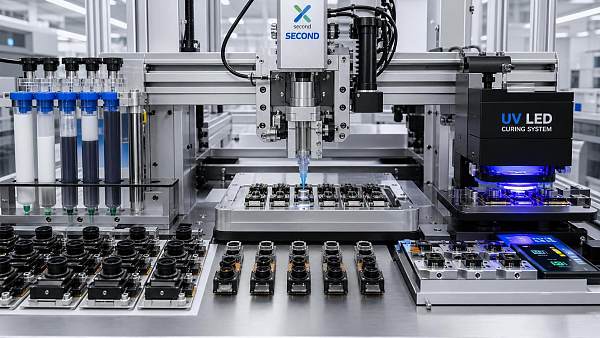
- Electronic assembly using underfill, UV adhesive, or conductive glue.
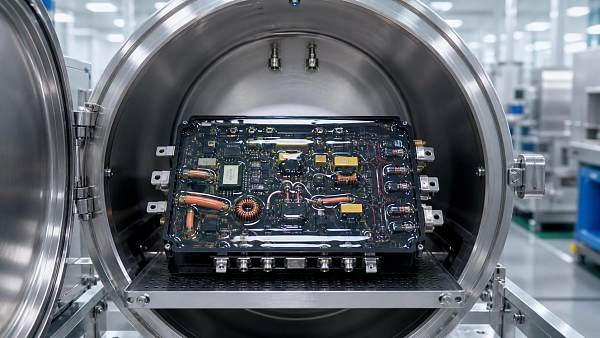
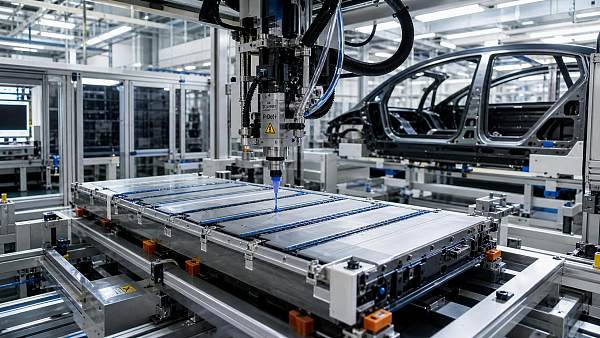
- EV battery production using thermal potting and sealing materials.
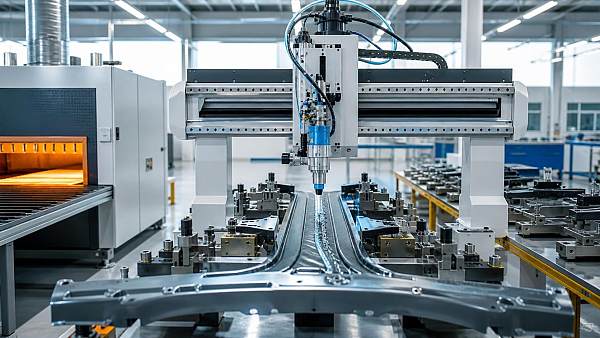
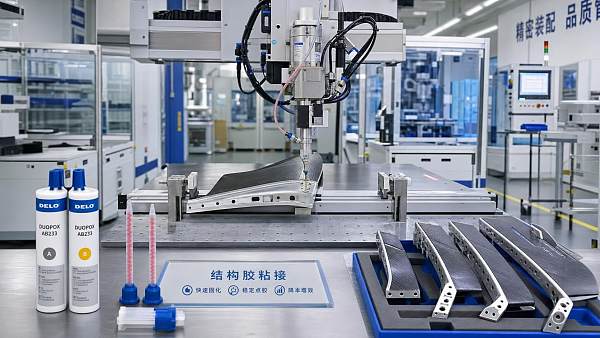
- Automotive bonding where bead geometry affects strength and sealing.
- Medical and sensor products requiring micro-volume repeatability.
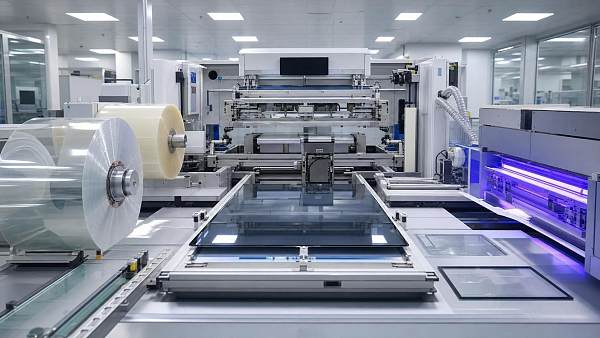
- Packaging and lamination lines seeking lower adhesive usage.
From recent market changes, one signal stands out.
Materials are becoming more specialized, and assemblies are becoming less forgiving.
That makes precision dispensing technology less of an upgrade and more of a requirement.
A Practical Buying Framework
A structured evaluation reduces sourcing risk and speeds up internal alignment.
- Define the real waste baseline, including rework and purge loss.
- Match the system to fluid type, target volume, and cycle time.
- Request trial data using actual or equivalent production materials.
- Compare suppliers on stability, service, and spare-part availability.
- Calculate savings over yearly material consumption, not unit price alone.
This approach makes discussions more objective.
It also helps separate marketing claims from operational value.
In many cases, the best supplier is the one that can prove stable output over time.
That includes support for integration, training, and process tuning after installation.
Those factors directly affect whether projected savings become real savings.
Final Takeaway
Precision dispensing technology reduces waste by improving volume control, placement accuracy, and process repeatability.
Just as importantly, it supports better purchasing decisions through measurable cost and quality data.
When evaluating adhesives, sealants, potting compounds, or dispensing equipment, the goal is not simply buying a machine.
The goal is building a more efficient material delivery process.
A well-chosen precision dispensing technology solution helps reduce consumption, improve consistency, and protect margin at scale.
The next smart step is to compare systems using real waste data, real materials, and real production conditions.
Recommended News
 Sep 11, 2026What key criteria should EMS engineers compare when evaluating adhesive suppliers?What should I compare when choosing an industrial adhesive supplier? Discover 6 critical criteria EMS engineers must evaluate—beyond price—to ensure reliability, compliance & process yield.
 Sep 05, 2026How to size camera module assembly equipment for pilot productionCamera module assembly equipment sizing guide for pilot production—balance cycle time, precision, curing, traceability, and scalable automation.
 Aug 29, 2026What drives micro-dispensing engineering cost in automated assembly?Micro-dispensing engineering cost is driven by fluid behavior, precision, motion, vision, curing, validation, and uptime. Discover how to control total assembly cost.
 Aug 24, 2026When vacuum potting encapsulation is worth the extra process costVacuum potting encapsulation is worth the extra cost when hidden voids threaten insulation, thermal performance, or long-term reliability. Learn when it reduces risk and protects ROI.
 Aug 22, 2026What drives yield loss in the camera module assembly processCamera module assembly process yield loss often starts with adhesive variation, contamination, curing drift, and alignment shift. Learn the hidden causes and practical fixes.
 Aug 21, 2026What drives camera module adhesives price in high-volume assemblyCamera module adhesives price depends on cure speed, dispensing stability, optical reliability, and supplier consistency. Learn how to compare quotes wisely and reduce total assembly cost.
 Aug 13, 2026Automotive Adhesive Bonding Cost: What Drives Total Assembly Spend?Automotive adhesive bonding cost goes far beyond material price—discover the hidden drivers behind total assembly spend, from curing and dispensing to scrap, uptime, and warranty risk.
 Aug 20, 2026Inspection Points That Matter When Evaluating Used Rubber MachineryUsed rubber machinery inspection starts with process fit, then checks wear, controls, safety, and relocation risk—learn the key points to cut hidden costs and buy with confidence.
 Aug 09, 2026How the Camera Module Assembly Process Affects Yield and Alignment AccuracyCamera module assembly process directly impacts yield and alignment accuracy. Learn how dispensing, curing, and active alignment choices reduce defects and improve optical performance.
 Aug 06, 2026How to Evaluate Lightweight Bonding Solutions for Rail InteriorsLightweight bonding solutions for rail: learn how to compare fire safety, substrate compatibility, vibration durability, and process efficiency to choose smarter rail interior bonding systems.
 Aug 01, 2026What Drives Automated Dispensing Cost in High-Volume Assembly Lines?Automated dispensing cost depends on more than machine price. Learn the key drivers—materials, accuracy, cycle time, maintenance, and scrap—to compare suppliers and cut total assembly line cost.
 Jul 29, 2026What Fluid Dispensing Precision Really Costs in Yield, Rework, and Cycle TimeFluid dispensing precision directly impacts yield, rework, and cycle time. Learn how hidden dispensing costs erode margins and what to verify before investing.
 Jul 28, 2026Automated Dispensing Integration: Cost, Uptime, and ROI FactorsAutomated dispensing integration: learn how to reduce cost, improve uptime, and strengthen ROI with smarter material selection, maintenance planning, software integration, and validation strategies.
 Jul 24, 2026How to Evaluate Lightweight Assembly Adhesives for Faster Bonding and Lower Total CostLightweight assembly adhesives: learn how to compare cure speed, dispensing stability, substrate fit, and total cost to choose faster, more reliable bonding solutions.
 Jul 23, 2026Desktop Automated Dispensing Systems: Cost, Accuracy, and ROI Factors to CompareDesktop automated dispensing systems compared by cost, accuracy, and ROI. Learn how to evaluate repeatability, integration, throughput, and long-term savings before you buy.
 Jul 18, 2026Display Bonding Cost Breakdown: Materials, Yield, and EquipmentDisplay bonding cost explained: compare materials, yield, and equipment to uncover hidden expenses, reduce scrap, and make smarter sourcing decisions with confidence.
 Jul 15, 2026Adhesive Joint Evaluation Supplier Checklist for Reliable Test ResultsAdhesive joint evaluation supplier checklist for reliable test results. Compare labs, reduce risk, verify quality systems, and choose a partner with confidence.
 Jul 14, 2026Automotive Adhesive Market Trends to Watch in 2026Adhesive market trends automotive leaders should watch in 2026: EV battery materials, lightweight bonding, automation fit, and compliance shifts shaping smarter sourcing decisions.
 Jul 14, 2026Industrial Adhesives for Assembly: Cost vs ThroughputIndustrial adhesives for assembly: compare cost vs throughput, uncover hidden process costs, and choose faster, more reliable bonding solutions for higher line efficiency.
 Jul 13, 2026Structural Sealing Cost: What Drives Total Assembly SpendStructural sealing cost goes beyond material price. Learn what drives total assembly spend and how smarter sealants, dispensing, and cure control can cut waste and improve ROI.
 Jul 12, 2026When Automated Dispensing Systems Manufacturers Deliver Better Assembly ROIAutomated dispensing systems manufacturer selection drives assembly ROI when it cuts material waste, boosts precision, and supports scalable integration. Learn what separates true process partners from machine sellers.
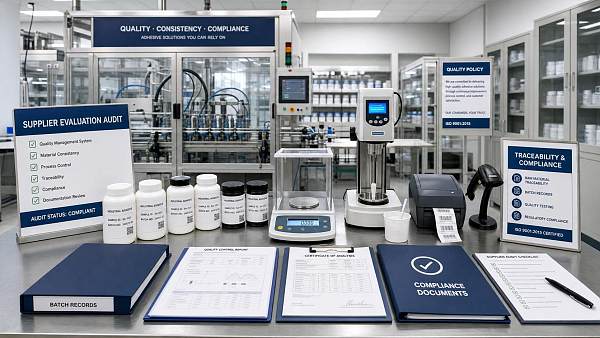
 Jul 10, 2026Adhesive Supplier Evaluation Audit: What to Check Before ApprovalAdhesive supplier evaluation audit guide: learn what to check before approval, from quality systems and batch consistency to compliance, safety, and process capability.
 Jul 08, 2026Adhesive Total Cost Model: What Actually Drives Assembly Cost?Adhesive total cost model explained: discover what really drives assembly cost beyond unit price, from labor and cycle time to scrap, maintenance, compliance, and throughput.
 Jul 04, 2026Adhesive Supplier Intelligence Platform: What to Compare Before Shortlisting VendorsAdhesive supplier intelligence platform guide: compare application fit, compliance, dispensing compatibility, and supply reliability before shortlisting vendors for faster, lower-risk sourcing.
Editor's Selection
The Archive Newsletter
Critical industrial intelligence delivered every Tuesday. Peer-reviewed summaries of the week's most impactful logistics and market shifts.