Dispensing Systems Cost Drivers in 2026 Assembly Lines
by
Published
Views:
In 2026, the biggest cost driver in dispensing systems is not the machine sticker price. For financial approvers, the real cost comes from the combined effect of material waste, uptime loss, quality escapes, integration complexity, and compliance exposure.
That is why a cheaper dispensing platform can become the more expensive choice within twelve months. In high-mix assembly lines, total cost of ownership depends on how accurately the system controls fluid, process variation, maintenance burden, and future production changes.
When evaluating dispensing systems, the practical question is simple: which cost factors materially change yield, throughput, and risk-adjusted ROI? This article focuses on that question from a finance and capital approval perspective rather than a purely engineering one.
What financial approvers are really buying in 2026
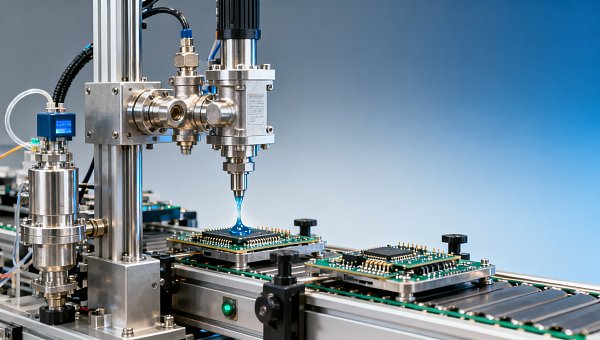
Assembly teams may describe dispensing systems by valve type, shot size, or motion platform. Finance teams should translate those specifications into economic outcomes: lower scrap, reduced adhesive consumption, more stable cycle time, faster qualification, and fewer compliance-related disruptions.
The core search intent behind “dispensing systems” in this context is evaluation. Readers want to understand what drives system cost, which features create measurable return, and how to avoid overpaying for precision that does not match the application.
For most approval decisions, the best framework is not “How much does the equipment cost?” but “What is the cost per good unit over the system life?” That is where hidden cost drivers become visible.
The main cost drivers behind dispensing systems
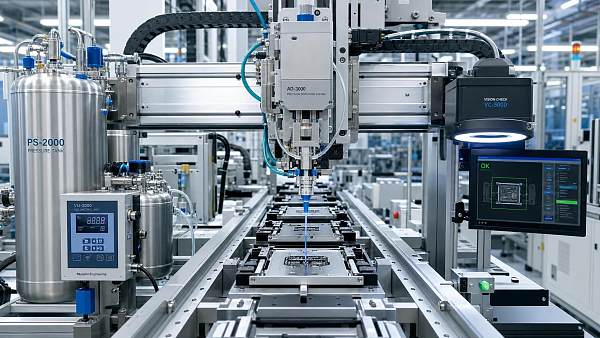
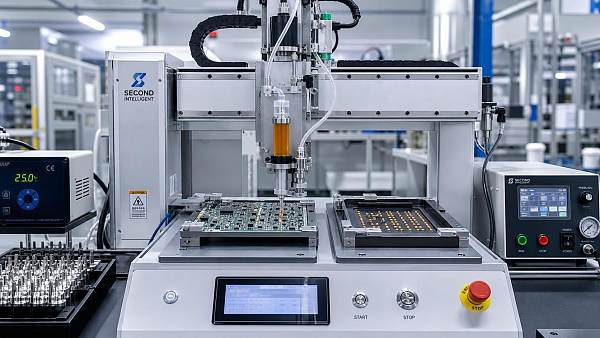
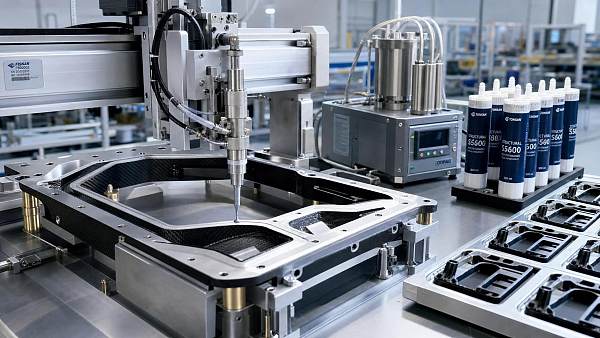
The first driver is process accuracy. Tighter dispense repeatability often raises equipment cost, but it can sharply reduce over-dispensing of expensive fluids such as silver paste, UV adhesive, thermal interface material, or battery potting compounds.
The second driver is fluid behavior. High-viscosity, shear-sensitive, filled, abrasive, or moisture-sensitive materials demand more advanced pumps, valves, feed systems, and environmental controls. As fluid difficulty rises, both capital cost and maintenance cost increase.
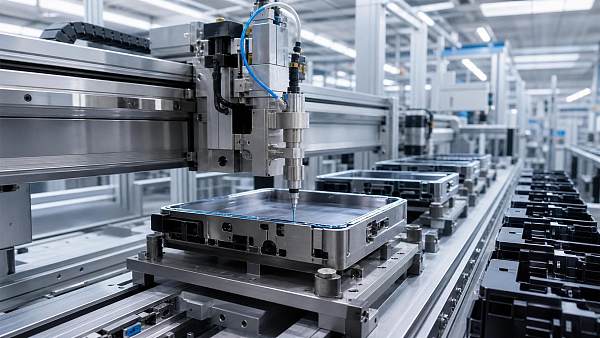
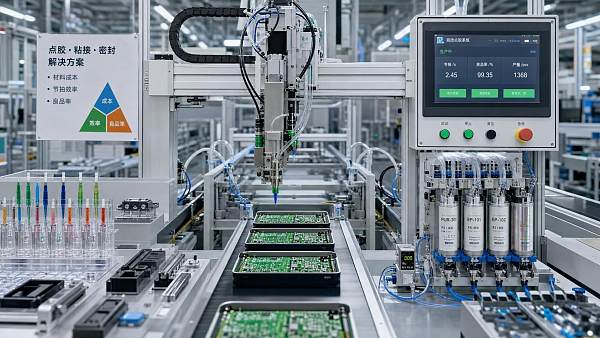
The third driver is throughput requirement. A line running at moderate speed can often use simpler contact dispensing. A line targeting high takt rates may require jetting, multi-head architectures, vision alignment, or buffer automation, all of which increase system cost.
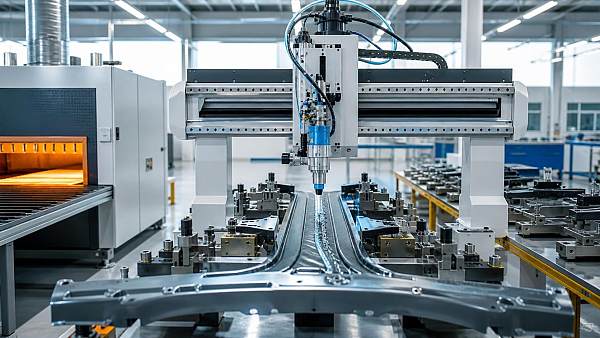
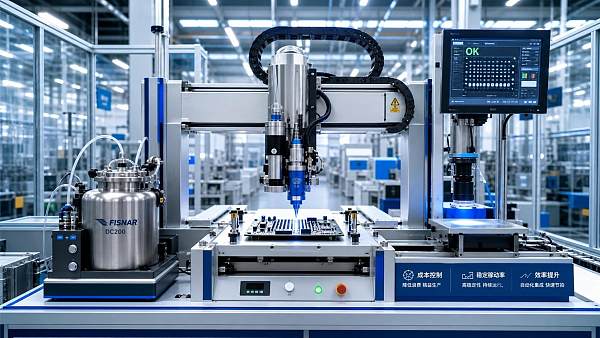
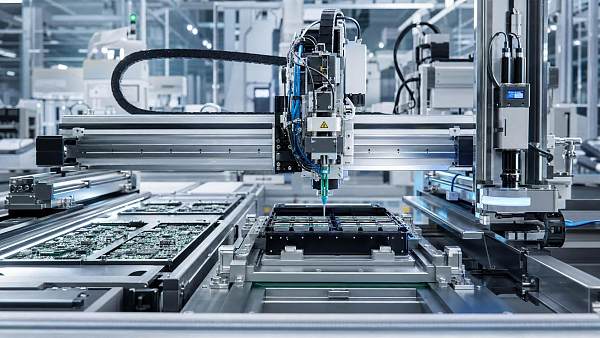
The fourth driver is integration scope. A stand-alone dispenser is one budget level. A dispensing cell integrated with conveyors, robots, plasma treatment, curing, barcode traceability, MES connectivity, and inline inspection belongs to a different capital category.
The fifth driver is quality assurance. If the application is safety-critical or highly regulated, the cost of traceability, recipe control, closed-loop verification, and data logging rises. However, these capabilities can prevent far larger costs tied to warranty claims or customer rejection.
Why material economics often outweigh equipment price
For finance teams, fluid cost should be reviewed before machine cost. In many assembly environments, adhesives and encapsulants are high-value consumables. Even small reductions in dispense volume variability can generate annual savings large enough to justify premium equipment.
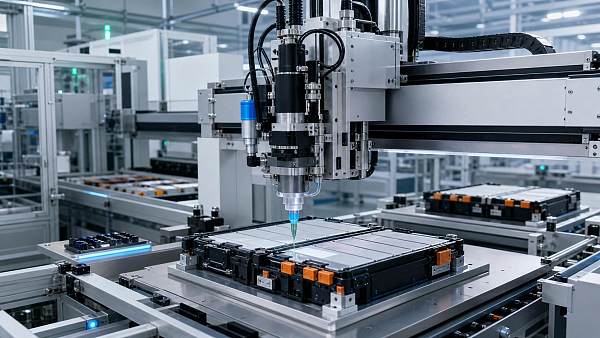
Suppose a system reduces average over-dispense by a few percentage points across millions of units. The resulting material savings may exceed the annual depreciation difference between a mid-range and a high-precision platform, especially in electronics and EV battery applications.
Material economics also matter because poor dispensing increases rework. Excess material can contaminate sensitive areas, delay cure, affect thermal performance, or create cosmetic defects. Those downstream costs rarely appear in the original equipment quote, but they erode margin fast.
This is why financial approvers should ask for a material consumption baseline, not just a capital expenditure request. Without a before-and-after consumption model, the ROI case for dispensing systems remains incomplete.
Labor, maintenance, and uptime are major hidden expenses
A low-cost dispensing system may require frequent calibration, manual adjustment, nozzle replacement, and operator intervention. That creates labor dependency and reduces line stability. In 2026, labor availability and technician skill gaps make this a larger cost driver than before.
Maintenance should be evaluated in terms of frequency, spare parts, cleaning burden, and mean time to recovery. Systems handling filled thermal materials or two-part chemistries often need stricter preventive maintenance schedules and better purge control.
Downtime economics deserve direct financial modeling. If a dispensing fault stops an upstream or downstream process, the real cost is not the valve repair itself. The real cost is lost output, overtime recovery, missed shipment windows, and elevated defect risk after restart.
For that reason, maintenance access, remote diagnostics, modular replacement design, and local service capability should be treated as cost drivers, not minor after-sales details. They influence uptime predictability, which directly affects return on capital.
Application complexity changes the right investment level
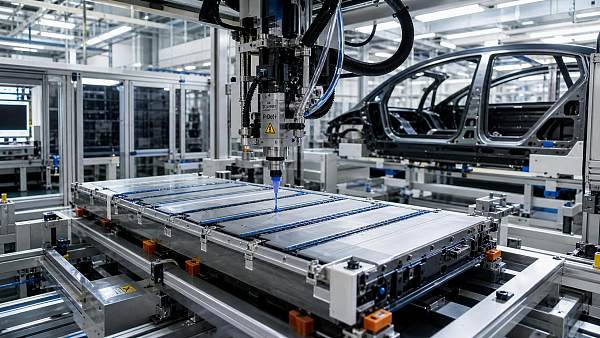
Not every assembly line needs the same dispensing architecture. A simple bead for sealing a durable goods enclosure does not justify the same spend as underfill on densely packed electronics or thermal potting in EV battery modules.
Financial approvers should segment applications by consequence of failure. If a dispense defect can trigger safety issues, thermal runaway risk, field returns, or expensive teardown, then higher spending on process control is often economically rational.
Likewise, product mix matters. High-mix, frequent-change production usually benefits from recipe management, quick-change tooling, automatic calibration, and vision-guided alignment. These features cost more upfront but reduce changeover waste and line disruption.
In contrast, highly stable, low-variation production may prioritize robustness and service simplicity over extreme precision. The right cost level depends on process value at risk, not on buying the most advanced dispensing systems available.
Software, data, and traceability now carry budget weight
In 2026, dispensing systems are increasingly judged by software capability as much as by hardware. Closed-loop control, shot monitoring, alarm analytics, SPC dashboards, and MES connectivity all add cost, but they also improve decision quality.
From a finance perspective, software investment pays off when it reduces uncertainty. Better data reveals whether material waste is process-related, operator-related, or maintenance-related. It also shortens root-cause analysis after defects or customer complaints.
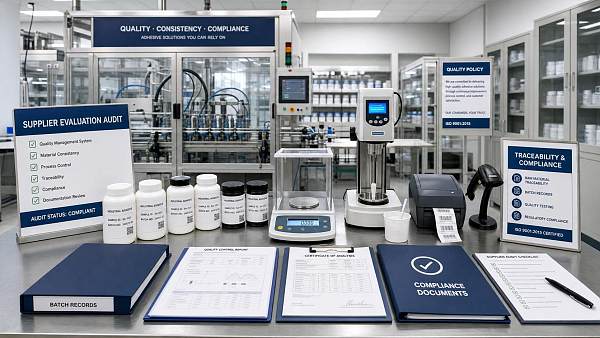
Traceability is especially important in automotive, electronics, and medical-adjacent assembly environments. A system that records lot data, dispense parameters, timestamps, and inspection results can reduce the scope of containment actions during quality incidents.
That matters because containment cost is often underestimated during capital review. When defects occur, weak traceability can force broader recalls, larger scrap volumes, and slower customer response. Good dispensing data lowers this financial exposure.
Compliance and EHS costs should not be treated as secondary
As environmental and product compliance expectations tighten, dispensing systems may need features that support cleaner handling, lower VOC exposure, controlled mixing, and safer management of reactive chemistries. These are cost drivers with strategic value.
For global suppliers, compliance failure can block customer approval or trigger requalification costs. Equipment choices that improve process consistency and support documentation help reduce these risks, particularly when serving demanding OEM and EMS customers.
There is also an insurance-like benefit. Better enclosed dispensing, fewer leaks, and more stable process control can reduce contamination incidents, operator exposure concerns, and unplanned cleanup. These may seem operational, but they have direct financial consequences.
How to evaluate ROI without relying on vendor optimism
The strongest business case uses a full cost stack. Include capital price, installation, integration, training, validation, spares, maintenance, material savings, labor impact, uptime change, scrap reduction, and quality containment risk.
Then run three scenarios: conservative, expected, and aggressive. If the investment only works under aggressive assumptions, the case is weak. If it works under conservative assumptions, the decision is more defensible for finance and procurement committees.
Payback period should not be the only metric. For dispensing systems, total cost of ownership, internal rate of return, and cost per good unit often provide a more realistic picture, especially when quality and compliance risks are material.
It is also useful to request proof from similar applications, not generic references. The closer the benchmark matches your fluid, substrate, takt time, and defect sensitivity, the more reliable the ROI forecast becomes.
Questions finance teams should ask before approving dispensing systems
Start with the fluid. What is the annual material spend, and how much variability exists today? If material loss is already low, the savings potential may be limited. If usage is unstable, precision improvements may have strong economic value.
Next, ask about downtime. How many hours of lost production are currently linked to dispensing issues, cleaning, changeovers, or calibration? Without this baseline, uptime claims are difficult to verify and often overstated.
Then examine quality cost. What portion of scrap, rework, customer returns, or warranty exposure is connected to dispense inconsistency? In some lines, the quality impact is minor. In others, it is the dominant financial variable.
Finally, ask whether the system matches the future roadmap. If the business expects more miniaturization, more expensive fluids, or tighter traceability demands, a slightly higher investment today may avoid a second capital request later.
Bottom line for 2026 assembly line investment decisions
For financial approvers, the true cost drivers in dispensing systems are precision economics, fluid complexity, uptime performance, integration depth, data capability, and risk reduction. The purchase price is only one part of the decision.
The most cost-effective system is not the cheapest platform or the most advanced platform. It is the one that fits the application’s defect sensitivity, material value, throughput target, and compliance burden with the lowest lifetime cost per good unit.
If you evaluate dispensing systems through that lens, capital approval becomes clearer. You are not simply funding a machine. You are choosing a process-control asset that can protect margin, stabilize output, and reduce operational risk across the line.
Recommended News
 Sep 11, 2026What key criteria should EMS engineers compare when evaluating adhesive suppliers?What should I compare when choosing an industrial adhesive supplier? Discover 6 critical criteria EMS engineers must evaluate—beyond price—to ensure reliability, compliance & process yield.
 Sep 05, 2026How to size camera module assembly equipment for pilot productionCamera module assembly equipment sizing guide for pilot production—balance cycle time, precision, curing, traceability, and scalable automation.
 Aug 29, 2026What drives micro-dispensing engineering cost in automated assembly?Micro-dispensing engineering cost is driven by fluid behavior, precision, motion, vision, curing, validation, and uptime. Discover how to control total assembly cost.
 Aug 24, 2026When vacuum potting encapsulation is worth the extra process costVacuum potting encapsulation is worth the extra cost when hidden voids threaten insulation, thermal performance, or long-term reliability. Learn when it reduces risk and protects ROI.
 Aug 22, 2026What drives yield loss in the camera module assembly processCamera module assembly process yield loss often starts with adhesive variation, contamination, curing drift, and alignment shift. Learn the hidden causes and practical fixes.
 Aug 21, 2026What drives camera module adhesives price in high-volume assemblyCamera module adhesives price depends on cure speed, dispensing stability, optical reliability, and supplier consistency. Learn how to compare quotes wisely and reduce total assembly cost.
 Aug 13, 2026Automotive Adhesive Bonding Cost: What Drives Total Assembly Spend?Automotive adhesive bonding cost goes far beyond material price—discover the hidden drivers behind total assembly spend, from curing and dispensing to scrap, uptime, and warranty risk.
 Aug 20, 2026Inspection Points That Matter When Evaluating Used Rubber MachineryUsed rubber machinery inspection starts with process fit, then checks wear, controls, safety, and relocation risk—learn the key points to cut hidden costs and buy with confidence.
 Aug 09, 2026How the Camera Module Assembly Process Affects Yield and Alignment AccuracyCamera module assembly process directly impacts yield and alignment accuracy. Learn how dispensing, curing, and active alignment choices reduce defects and improve optical performance.
 Aug 06, 2026How to Evaluate Lightweight Bonding Solutions for Rail InteriorsLightweight bonding solutions for rail: learn how to compare fire safety, substrate compatibility, vibration durability, and process efficiency to choose smarter rail interior bonding systems.
 Aug 01, 2026What Drives Automated Dispensing Cost in High-Volume Assembly Lines?Automated dispensing cost depends on more than machine price. Learn the key drivers—materials, accuracy, cycle time, maintenance, and scrap—to compare suppliers and cut total assembly line cost.
 Jul 29, 2026What Fluid Dispensing Precision Really Costs in Yield, Rework, and Cycle TimeFluid dispensing precision directly impacts yield, rework, and cycle time. Learn how hidden dispensing costs erode margins and what to verify before investing.
 Jul 28, 2026Automated Dispensing Integration: Cost, Uptime, and ROI FactorsAutomated dispensing integration: learn how to reduce cost, improve uptime, and strengthen ROI with smarter material selection, maintenance planning, software integration, and validation strategies.
 Jul 24, 2026How to Evaluate Lightweight Assembly Adhesives for Faster Bonding and Lower Total CostLightweight assembly adhesives: learn how to compare cure speed, dispensing stability, substrate fit, and total cost to choose faster, more reliable bonding solutions.
 Jul 23, 2026Desktop Automated Dispensing Systems: Cost, Accuracy, and ROI Factors to CompareDesktop automated dispensing systems compared by cost, accuracy, and ROI. Learn how to evaluate repeatability, integration, throughput, and long-term savings before you buy.
 Jul 18, 2026Display Bonding Cost Breakdown: Materials, Yield, and EquipmentDisplay bonding cost explained: compare materials, yield, and equipment to uncover hidden expenses, reduce scrap, and make smarter sourcing decisions with confidence.
 Jul 15, 2026Adhesive Joint Evaluation Supplier Checklist for Reliable Test ResultsAdhesive joint evaluation supplier checklist for reliable test results. Compare labs, reduce risk, verify quality systems, and choose a partner with confidence.
 Jul 14, 2026Automotive Adhesive Market Trends to Watch in 2026Adhesive market trends automotive leaders should watch in 2026: EV battery materials, lightweight bonding, automation fit, and compliance shifts shaping smarter sourcing decisions.
 Jul 14, 2026Industrial Adhesives for Assembly: Cost vs ThroughputIndustrial adhesives for assembly: compare cost vs throughput, uncover hidden process costs, and choose faster, more reliable bonding solutions for higher line efficiency.
 Jul 13, 2026Structural Sealing Cost: What Drives Total Assembly SpendStructural sealing cost goes beyond material price. Learn what drives total assembly spend and how smarter sealants, dispensing, and cure control can cut waste and improve ROI.
 Jul 12, 2026When Automated Dispensing Systems Manufacturers Deliver Better Assembly ROIAutomated dispensing systems manufacturer selection drives assembly ROI when it cuts material waste, boosts precision, and supports scalable integration. Learn what separates true process partners from machine sellers.
 Jul 10, 2026Adhesive Supplier Evaluation Audit: What to Check Before ApprovalAdhesive supplier evaluation audit guide: learn what to check before approval, from quality systems and batch consistency to compliance, safety, and process capability.
 Jul 08, 2026Adhesive Total Cost Model: What Actually Drives Assembly Cost?Adhesive total cost model explained: discover what really drives assembly cost beyond unit price, from labor and cycle time to scrap, maintenance, compliance, and throughput.
 Jul 04, 2026Adhesive Supplier Intelligence Platform: What to Compare Before Shortlisting VendorsAdhesive supplier intelligence platform guide: compare application fit, compliance, dispensing compatibility, and supply reliability before shortlisting vendors for faster, lower-risk sourcing.
Editor's Selection
The Archive Newsletter
Critical industrial intelligence delivered every Tuesday. Peer-reviewed summaries of the week's most impactful logistics and market shifts.