
Multi Material Adhesive Lightweighting: Cost vs Performance
by
Published
Views:
Multi Material Adhesive Lightweighting: Cost vs Performance
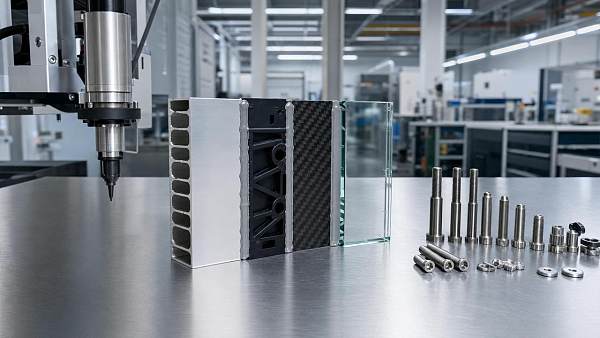
For procurement teams, multi material adhesive lightweighting is no longer a niche engineering topic. It now shapes sourcing cost, assembly speed, long-term reliability, and compliance risk.
As metal, plastic, composites, and glass appear in one product, conventional joining methods face limits. That is where multi material adhesive lightweighting starts to look commercially attractive.
Still, lower weight does not automatically mean lower total cost. The real decision depends on performance targets, process stability, and supply chain fit.
In practical buying decisions, the key question is simple. When does multi material adhesive lightweighting create measurable value, and when do trade-offs outweigh the benefit?
A useful evaluation should compare material price, dispensing efficiency, curing time, structural performance, and downstream cost. Looking at only adhesive price often leads to the wrong conclusion.
Why Multi Material Adhesive Lightweighting Is Gaining Procurement Attention
Recent product designs use more dissimilar substrates than before. Automotive modules, battery packs, rail interiors, electronics housings, and appliances all reflect this change.
Welding works well with similar metals. Rivets and screws offer familiarity. Yet both can add weight, create stress points, and slow assembly.
Multi material adhesive lightweighting allows broader design freedom. It can join aluminum to composite, plastic to coated metal, or glass to engineered polymer without drilling extra holes.
That also means designers can reduce overlap area, avoid local deformation, and distribute loads more evenly. In many assemblies, these changes support better strength-to-weight performance.
From a sourcing perspective, the bigger signal is process integration. Multi material adhesive lightweighting often combines bonding, sealing, damping, and gap filling in one material step.
Where Cost Savings Actually Come From
The unit price of advanced adhesive can look high at first glance. That is why many evaluations stop too early.
In reality, multi material adhesive lightweighting affects several cost layers at the same time. Some are visible in purchasing. Others appear later in production and warranty data.
- Lower part count by removing brackets, fasteners, washers, and inserts.
- Reduced machining because there is less drilling, punching, and surface distortion repair.
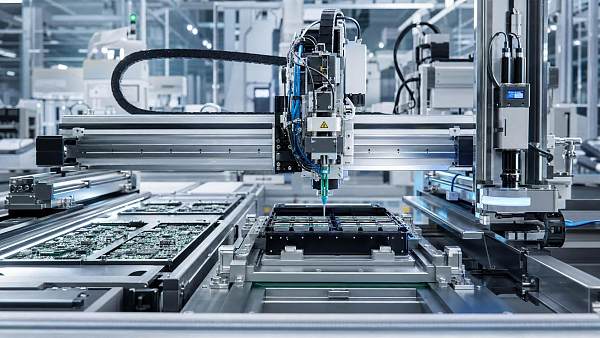
- Faster automation when dispensing systems replace manual fastening sequences.
- Lower logistics weight, which matters in transport equipment and battery-related products.
- Improved corrosion control because bonded joints avoid some metal-to-metal contact issues.
This is why total installed cost matters more than adhesive cost per kilogram. Multi material adhesive lightweighting is often justified by system economics, not raw material price alone.
In sectors with high throughput, cycle time is especially important. A faster cure profile or cleaner dispensing window can shift the business case quickly.
Performance Areas That Deserve Closer Review
Not every adhesive system performs equally across mixed materials. Multi material adhesive lightweighting succeeds only when the bond line matches the real service environment.
A strong lab result is useful, but field conditions are more demanding. Heat, vibration, humidity, chemicals, and expansion mismatch can change outcomes.
Core properties to compare
- Lap shear strength for structural load transfer.
- Peel resistance for flexible or thin-wall assemblies.
- Impact resistance for transport, consumer, and industrial equipment.
- Elongation and modulus balance for thermal expansion mismatch.
- Environmental durability under salt spray, moisture, and heat aging.
For example, rigid epoxies may deliver excellent structural strength. However, they may struggle where differential movement between substrates is high.
Polyurethane systems can offer better flexibility. Acrylics may cure fast and bond difficult surfaces well. Silicone-based materials can help when thermal cycling is severe.
So the right multi material adhesive lightweighting choice depends on the joint function, not on a generic claim of strength.
Common Trade-Offs Behind the Performance Story
Every material decision comes with trade-offs. Multi material adhesive lightweighting is no exception, and most sourcing mistakes happen when trade-offs stay hidden until qualification.
This is why multi material adhesive lightweighting should be reviewed against the full process window. Material data sheets alone rarely show all practical limits.
A lower-density adhesive may reduce weight, yet require different static mixing, bead control, or cure management. Those process changes also carry cost.
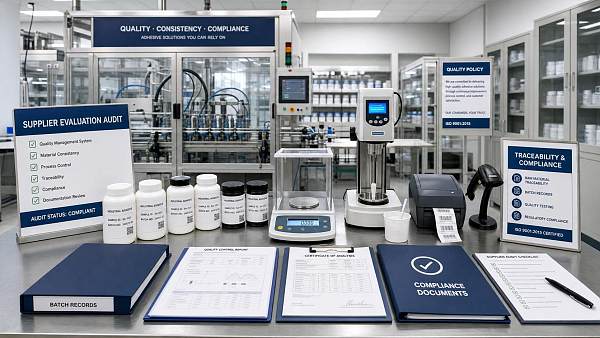
How to Evaluate Suppliers More Effectively
A better sourcing outcome usually comes from sharper technical questions. Multi material adhesive lightweighting projects move faster when supplier claims are tied to measurable evidence.
Key points to request during comparison
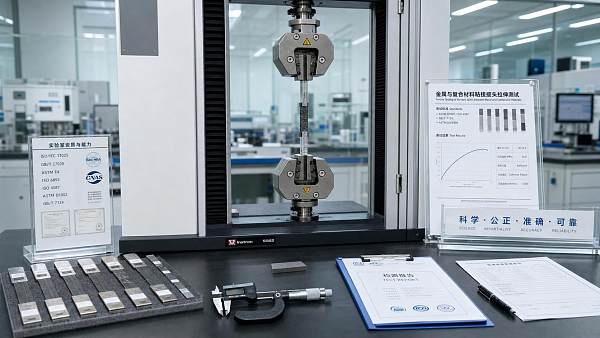
- Ask for substrate-specific test data, not only generic bond strength charts.
- Confirm cure conditions, open time, and full cure timing under actual plant temperatures.
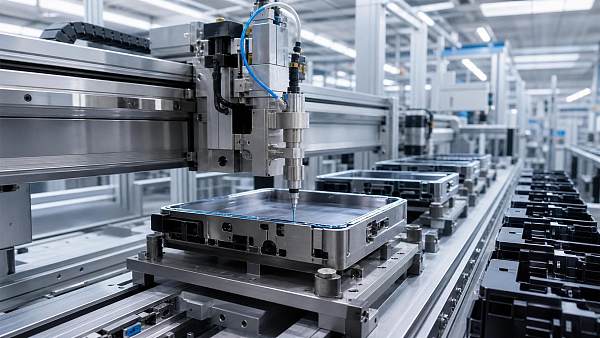
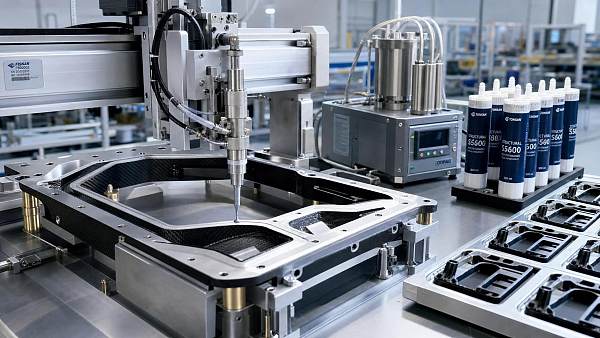
- Review dispensing compatibility with existing pumps, valves, mixers, and automation lines.
- Check REACH, RoHS, halogen-free, and regional transport or storage requirements.
- Request aging, thermal cycling, and humidity performance data for intended service conditions.
- Clarify shelf life, packaging size, and batch consistency for global supply planning.
In actual business settings, supplier support matters almost as much as chemistry. A good material with weak process guidance can still become an expensive choice.
For multi material adhesive lightweighting, it is smart to evaluate technical service, local inventory, and validation speed alongside price.
Applications Where the Value Is Usually Strongest
Some applications show a stronger business case than others. Multi material adhesive lightweighting tends to perform best where fastening creates weight, stress concentration, or cosmetic limits.
- EV battery covers, trays, and module assemblies using metal and polymer combinations.
- Automotive exterior and interior modules requiring lower weight and vibration control.
- Rail and bus panels where corrosion resistance and noise damping matter.
- Consumer electronics where thin profiles and clean appearance limit mechanical joining.
- Appliance and industrial enclosures combining coated steel, glass, and plastics.
In these cases, multi material adhesive lightweighting can support both product performance and production efficiency. That double benefit is what makes adoption easier to justify.
The value is weaker when joints must be easily disassembled, cure time cannot be accommodated, or the operating environment exceeds the adhesive design window.
A Practical Decision Framework
A balanced decision on multi material adhesive lightweighting should combine engineering evidence with commercial logic. The most reliable approach is a short qualification framework.
- Define the real objective, such as weight reduction, noise control, fewer parts, or corrosion prevention.
- Map the substrate pair, surface condition, and expected service environment.
- Compare at least two adhesive chemistries against one mechanical fastening baseline.
- Calculate total process cost, including labor, scrap, equipment, rework, and cycle time.
- Run pilot trials with actual dispensing settings and realistic cure conditions.
- Approve only after performance, compliance, and supply continuity align.
This method keeps multi material adhesive lightweighting grounded in evidence. It also reduces the risk of choosing a technically impressive product that fails commercial expectations.
The main takeaway is clear. Cost and performance should not be treated as competing camps. In many projects, the right adhesive system improves both.
What matters is disciplined evaluation. Multi material adhesive lightweighting delivers the best results when chemistry, dispensing, cure behavior, and supply capability are reviewed together.
A smart next step is to shortlist candidate systems, request application-specific data, and validate them against total installed cost. That is where better decisions usually start.
Recommended News
 Sep 11, 2026What key criteria should EMS engineers compare when evaluating adhesive suppliers?What should I compare when choosing an industrial adhesive supplier? Discover 6 critical criteria EMS engineers must evaluate—beyond price—to ensure reliability, compliance & process yield.
 Sep 05, 2026How to size camera module assembly equipment for pilot productionCamera module assembly equipment sizing guide for pilot production—balance cycle time, precision, curing, traceability, and scalable automation.
 Aug 29, 2026What drives micro-dispensing engineering cost in automated assembly?Micro-dispensing engineering cost is driven by fluid behavior, precision, motion, vision, curing, validation, and uptime. Discover how to control total assembly cost.
 Aug 24, 2026When vacuum potting encapsulation is worth the extra process costVacuum potting encapsulation is worth the extra cost when hidden voids threaten insulation, thermal performance, or long-term reliability. Learn when it reduces risk and protects ROI.
 Aug 22, 2026What drives yield loss in the camera module assembly processCamera module assembly process yield loss often starts with adhesive variation, contamination, curing drift, and alignment shift. Learn the hidden causes and practical fixes.
 Aug 21, 2026What drives camera module adhesives price in high-volume assemblyCamera module adhesives price depends on cure speed, dispensing stability, optical reliability, and supplier consistency. Learn how to compare quotes wisely and reduce total assembly cost.
 Aug 13, 2026Automotive Adhesive Bonding Cost: What Drives Total Assembly Spend?Automotive adhesive bonding cost goes far beyond material price—discover the hidden drivers behind total assembly spend, from curing and dispensing to scrap, uptime, and warranty risk.
 Aug 20, 2026Inspection Points That Matter When Evaluating Used Rubber MachineryUsed rubber machinery inspection starts with process fit, then checks wear, controls, safety, and relocation risk—learn the key points to cut hidden costs and buy with confidence.
 Aug 09, 2026How the Camera Module Assembly Process Affects Yield and Alignment AccuracyCamera module assembly process directly impacts yield and alignment accuracy. Learn how dispensing, curing, and active alignment choices reduce defects and improve optical performance.
 Aug 06, 2026How to Evaluate Lightweight Bonding Solutions for Rail InteriorsLightweight bonding solutions for rail: learn how to compare fire safety, substrate compatibility, vibration durability, and process efficiency to choose smarter rail interior bonding systems.
 Aug 01, 2026What Drives Automated Dispensing Cost in High-Volume Assembly Lines?Automated dispensing cost depends on more than machine price. Learn the key drivers—materials, accuracy, cycle time, maintenance, and scrap—to compare suppliers and cut total assembly line cost.
 Jul 29, 2026What Fluid Dispensing Precision Really Costs in Yield, Rework, and Cycle TimeFluid dispensing precision directly impacts yield, rework, and cycle time. Learn how hidden dispensing costs erode margins and what to verify before investing.
 Jul 28, 2026Automated Dispensing Integration: Cost, Uptime, and ROI FactorsAutomated dispensing integration: learn how to reduce cost, improve uptime, and strengthen ROI with smarter material selection, maintenance planning, software integration, and validation strategies.
 Jul 24, 2026How to Evaluate Lightweight Assembly Adhesives for Faster Bonding and Lower Total CostLightweight assembly adhesives: learn how to compare cure speed, dispensing stability, substrate fit, and total cost to choose faster, more reliable bonding solutions.
 Jul 23, 2026Desktop Automated Dispensing Systems: Cost, Accuracy, and ROI Factors to CompareDesktop automated dispensing systems compared by cost, accuracy, and ROI. Learn how to evaluate repeatability, integration, throughput, and long-term savings before you buy.
 Jul 18, 2026Display Bonding Cost Breakdown: Materials, Yield, and EquipmentDisplay bonding cost explained: compare materials, yield, and equipment to uncover hidden expenses, reduce scrap, and make smarter sourcing decisions with confidence.
 Jul 15, 2026Adhesive Joint Evaluation Supplier Checklist for Reliable Test ResultsAdhesive joint evaluation supplier checklist for reliable test results. Compare labs, reduce risk, verify quality systems, and choose a partner with confidence.
 Jul 14, 2026Automotive Adhesive Market Trends to Watch in 2026Adhesive market trends automotive leaders should watch in 2026: EV battery materials, lightweight bonding, automation fit, and compliance shifts shaping smarter sourcing decisions.
 Jul 14, 2026Industrial Adhesives for Assembly: Cost vs ThroughputIndustrial adhesives for assembly: compare cost vs throughput, uncover hidden process costs, and choose faster, more reliable bonding solutions for higher line efficiency.
 Jul 13, 2026Structural Sealing Cost: What Drives Total Assembly SpendStructural sealing cost goes beyond material price. Learn what drives total assembly spend and how smarter sealants, dispensing, and cure control can cut waste and improve ROI.
 Jul 12, 2026When Automated Dispensing Systems Manufacturers Deliver Better Assembly ROIAutomated dispensing systems manufacturer selection drives assembly ROI when it cuts material waste, boosts precision, and supports scalable integration. Learn what separates true process partners from machine sellers.
 Jul 10, 2026Adhesive Supplier Evaluation Audit: What to Check Before ApprovalAdhesive supplier evaluation audit guide: learn what to check before approval, from quality systems and batch consistency to compliance, safety, and process capability.
 Jul 08, 2026Adhesive Total Cost Model: What Actually Drives Assembly Cost?Adhesive total cost model explained: discover what really drives assembly cost beyond unit price, from labor and cycle time to scrap, maintenance, compliance, and throughput.
 Jul 04, 2026Adhesive Supplier Intelligence Platform: What to Compare Before Shortlisting VendorsAdhesive supplier intelligence platform guide: compare application fit, compliance, dispensing compatibility, and supply reliability before shortlisting vendors for faster, lower-risk sourcing.




Editor's Selection
The Archive Newsletter
Critical industrial intelligence delivered every Tuesday. Peer-reviewed summaries of the week's most impactful logistics and market shifts.