ECHA Adds Two Flame Retardants to SVHC List
by
Published
Views:
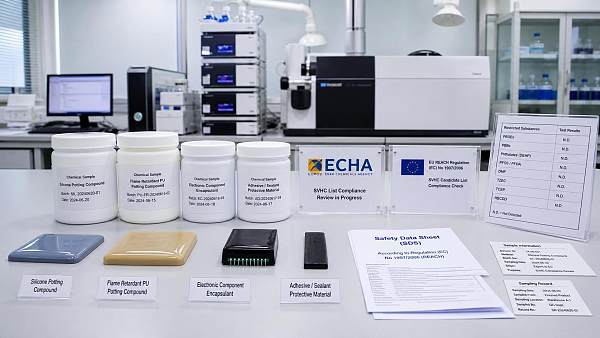
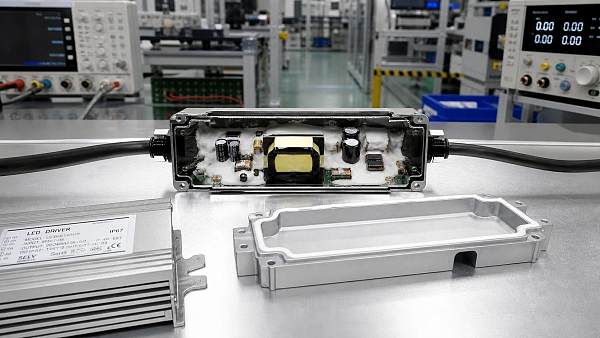
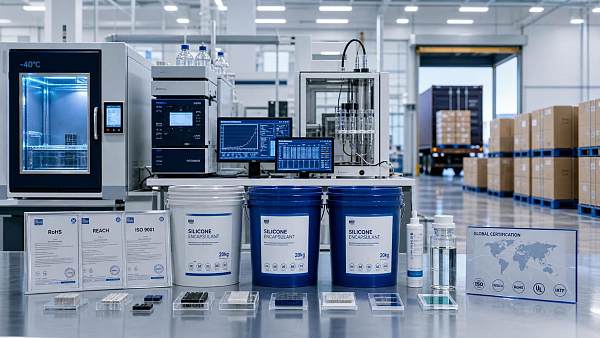
On July 25, 2026, the European Chemicals Agency (ECHA) added diphenyl(2,4,6-tribromophenoxy)phosphine (DPTEBP) and tetrabromobisphenol S (TBBPS) to the SVHC Candidate List. Because these substances are widely used in silicone encapsulants, flame-retardant PU potting compounds, and electronic protection materials, the update deserves close attention from Chinese exporters to the EU, EU importers, compliance teams, and downstream buyers reviewing product access, declarations, and SDS documentation ahead of the October 2026 supply-chain notification and substitution assessment deadline.
What was formally updated on July 25
The confirmed change is that ECHA officially placed DPTEBP and TBBPS on the SVHC Candidate List on July 25, 2026. The input information also confirms that both substances are commonly used in silicone encapsulants, flame-retardant PU potting materials, and electronic protection materials. As a direct consequence, the change affects compliance declarations, SDS updates, and downstream customer entry reviews for Silicone Encapsulants and Flame-retardant PU Potting products exported from China to the EU. The input further states that importers are required to complete supply-chain notification and substitution assessments by October 2026.
Where the immediate pressure is likely to appear
Export documentation for EU-bound shipments
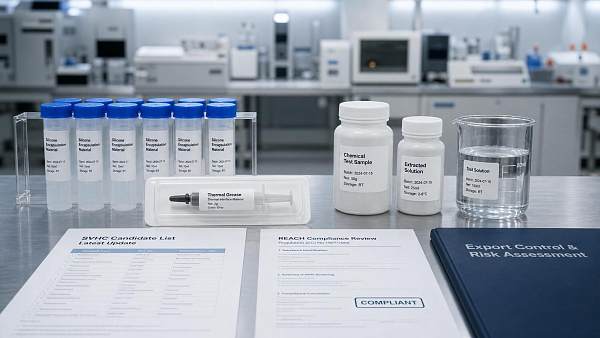
From an industry perspective, direct trading companies shipping Silicone Encapsulants and Flame-retardant PU Potting products to the EU may be affected first because compliance statements and SDS files are specifically identified in the input as impacted areas. The practical pressure is likely to center on whether existing documentation remains aligned with the new SVHC status and whether customer-facing declarations need revision.
Material review inside manufacturing and formulation chains
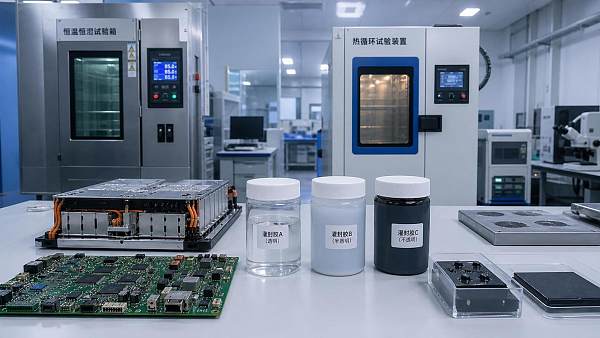
Processing and manufacturing companies using these flame retardants in silicone encapsulants, PU potting materials, or electronic protection materials may face added scrutiny in internal material review. Analysis shows that the immediate business impact is less about broad market conclusions and more about identifying where DPTEBP or TBBPS appears in current formulations, product lines, and shipment schedules linked to the EU market.
Downstream customer qualification and purchasing review
Purchasing teams, importers, and downstream customers may be affected through access reviews and supplier qualification checks. The input explicitly points to downstream customer admission reviews, which means product acceptance may increasingly depend on whether suppliers can provide updated declarations, revised SDS information, and a clear response on substitution assessment status before the October 2026 deadline.
Supply-chain communication and service coordination
Supply-chain service providers and regulatory support functions may also face pressure because the stated requirement for supply-chain notification creates a coordination task across suppliers, exporters, importers, and customers. What deserves closer attention is the timing gap between the formal listing date and the October 2026 action point, which compresses communication and document alignment work.
What companies should track now
Check whether affected products are tied to the two listed substances
The first practical issue is product screening. Companies dealing in silicone encapsulants, flame-retardant PU potting compounds, and electronic protection materials should focus on whether DPTEBP or TBBPS is present in products intended for the EU market, because that is the direct connection established by the event summary.
Prepare updates to declarations and SDS files
The input specifically identifies compliance declarations and SDS updates as affected areas. Observably, this makes document readiness a near-term operational task rather than a secondary compliance topic. Companies should distinguish between the formal listing itself and the internal work needed to reflect that listing accurately in customer and importer documentation.
Align supplier responses with importer deadlines
Because importers are expected to complete supply-chain notification and substitution assessments by October 2026, supplier communication cycles become critical. Analysis shows that exporters and manufacturers should pay close attention to response timing, supporting documents, and consistency of substance-related disclosures across the supply chain.
Separate confirmed obligations from ongoing commercial review
It is also important to distinguish what is confirmed from what still requires observation. The confirmed facts are the ECHA listing, the affected product categories named in the input, and the need for supply-chain notification and substitution assessment by October 2026. Broader commercial effects, customer acceptance outcomes, and substitution decisions should be treated as developing business matters rather than settled results.
Why this looks like more than a routine list update
Analysis shows that this development is best understood as an immediate compliance trigger with wider supply-chain implications, rather than as a standalone regulatory headline. The listing directly reaches products already used in silicone encapsulation, flame-retardant potting, and electronic protection applications, so the impact is likely to show up first in documentation control, customer review, and importer coordination. At the same time, it is more appropriate to understand this as an evolving industry signal rather than a fully realized market outcome, because substitution assessment and downstream acceptance still depend on follow-up actions after the listing.
How the market should read this development
At this stage, the industry significance lies in the need to re-check compliance pathways for EU-bound Silicone Encapsulants and Flame-retardant PU Potting products. The event does not by itself confirm final commercial outcomes across all suppliers or buyers, but it clearly raises the threshold for documentation accuracy, supply-chain notification, and customer review readiness. It is more appropriate to understand this as a near-term regulatory change with possible longer-tail business consequences that still need continued observation.
Basis of this article and what still needs verification
This article is based on the user-provided news title, event date, and event summary. For this type of development, commonly relevant source categories may include official notices, company disclosures, industry association updates, authoritative media reporting, and standards-related documents. No specific official source link was provided in the input, so the exact official link remains to be verified on an ongoing basis. Further monitoring should focus on any subsequent official wording, customer implementation requirements, and supply-chain follow-up related to notification, SDS revisions, and substitution assessment before October 2026.
Recommended News
 Sep 03, 2026How to prevent leaks when selecting a battery pack sealing adhesiveBattery pack sealing adhesive selection made practical: prevent leaks with proven guidance on joint design, curing, dispensing, durability testing, and serviceability.
 Aug 16, 2026EU REACH Adds 5 SVHCs, Triggering Mandatory SCIP Reporting from Aug. 15, 2026EU REACH adds 5 SVHCs, making SCIP reporting mandatory from Aug. 15, 2026. Learn how the new REACH candidate list impacts exporters, epoxy adhesives, silicone encapsulants, and EU compliance.
 Aug 12, 2026How Electronics Potting for Power Modules Affects Heat Dissipation and ReliabilityElectronics potting for power modules directly impacts heat dissipation, insulation, and long-term reliability. Learn how to choose materials that reduce risk and improve performance.
 Aug 11, 2026EU PFOA Rule Takes Full Effect on Aug. 10EU PFOA Rule takes full effect on Aug. 10, tightening REACH limits for electronics and new energy materials. See who is affected, key compliance risks, and what exporters should check now.
 Aug 10, 2026ECHA Tightens PFOA Limit for Fluorinated Silicone ExportsECHA tightens PFOA limit to 25 ppb for fluorinated silicone exports. Learn how Silicone Encapsulants and Thermal Conductive Pastes can meet EU REACH compliance fast.
 Aug 07, 2026How to Choose Electronics Potting for LED Drivers by Heat and IP RatingElectronics potting for LED drivers: learn how to choose the right compound by heat path, IP rating, stress, and cure behavior to improve reliability and simplify selection.
 Jul 26, 2026ECHA Adds Two Flame Retardants to SVHC ListECHA Adds Two Flame Retardants to SVHC List: learn how DPTEBP and TBBPS may affect EU exports, SDS updates, declarations, and October 2026 compliance deadlines.
 Jul 19, 2026ECHA SVHC Update Raises Export Risks for Silicone MaterialsECHA SVHC update raises export risks for silicone materials, including silicone encapsulants and thermal conductive pastes. Learn the REACH, SCIP, and traceability impacts before October 2026.
 Jul 14, 2026Japan’s New JIS Rule Pulls Silicone Encapsulant Orders to ChinaSilicone encapsulant demand is shifting to China as Japan’s new JIS rule nears. See how compliance, certification, and EMS procurement are reshaping orders before October 2026.
 Jul 13, 2026Japan Enforces JIS T 2801-2026 on Silicone EncapsulantsJapan Enforces JIS T 2801-2026 on Silicone Encapsulants: learn how new thermal shock and ion migration tests affect PSE access, supplier approval, and Japan-bound compliance plans.
 Jul 09, 2026How to Evaluate an Electronics Packaging Adhesive Supplier for Yield StabilityElectronics packaging adhesive supplier evaluation starts with yield stability. Learn how to compare consistency, compliance, process fit, and total cost for smarter sourcing.
 Jul 04, 2026How to Evaluate Electronic Potting Materials in Japan for Heat, Moisture, and ComplianceElectronic potting materials Japan: learn how to compare heat resistance, moisture protection, and compliance data to choose reliable compounds for automotive, EV, and electronics projects.
 Jul 03, 2026China Customs Splits Out Silicone Encapsulants HS CodeChina Customs splits out Silicone Encapsulants HS code to 3910.0099, tightening filing, UL/IEC documentation, and rebate timing. See what exporters and buyers must do now.
 Jul 02, 2026China Splits Out Silicone Encapsulants Under New HS CodeChina splits out silicone encapsulants under new HS code 3506.9900.11. See how the rule affects export compliance, tax rebate timing, and global delivery planning.
 Jul 01, 2026China Creates HS 2026.7.11 for Silicone EncapsulantsChina creates HS 2026.7.11 for silicone encapsulants, reshaping customs declarations, rebate timing, and export compliance. Learn what exporters and buyers must review now.
 Jun 29, 2026How to Choose Electronic Potting Sealants for Heat and MoistureElectronic potting sealants for heat and moisture: learn how to match materials to real operating conditions, improve reliability, and avoid costly process mistakes.
 Jun 24, 2026Electronic Packaging Adhesive Price Benchmarks by Cure Type and VolumeElectronic packaging adhesive price benchmarks by cure type and volume. Compare UV, epoxy, silicone, package formats, and hidden process costs to source smarter and cut total line expense.
 Jun 24, 2026East China Silicone Cuts Extend DMC, 107 Gum Lead TimesEast China silicone cuts are extending DMC and 107 gum lead times to 6–8 weeks. Learn how supply pressure, force majeure risk, and procurement delays may affect exports and sealant makers.
 Jun 23, 2026China Silicone Output Cuts Tighten DMC SupplyChina silicone output cuts are tightening DMC supply and extending export lead times. See how firmer prices, 107 rubber shortages, and procurement risks may impact buyers and adhesive manufacturers.
 Jun 21, 2026EV Battery Encapsulation Materials: How to Balance Thermal Safety and ReworkabilityEV battery encapsulation materials guide for balancing thermal safety and reworkability. Compare epoxy, silicone, and polyurethane options to improve EV pack safety, serviceability, and cost.
 Jun 19, 2026Electronics Potting: How to Prevent Cracking and VoidsElectronics potting guide: learn how to prevent cracking and voids by optimizing material choice, mixing, dispensing, and cure control for more reliable assemblies.
 Jun 12, 2026Silicone Potting for Automotive Electronics: Failure Prevention GuideSilicone potting for automotive electronics: learn how to prevent failure by matching material, dispensing, and cure to heat, vibration, moisture, and real vehicle conditions.
 Jun 11, 2026Thermally Conductive Silicone Adhesive: How to Choose for Heat-Sensitive ElectronicsThermally conductive silicone adhesive selection for heat-sensitive electronics goes beyond conductivity. Learn how to compare insulation, flexibility, dispensing, and compliance for safer, longer-lasting designs.










Editor's Selection
The Archive Newsletter
Critical industrial intelligence delivered every Tuesday. Peer-reviewed summaries of the week's most impactful logistics and market shifts.