Lightweight Bonding Solutions for Aluminum: What Matters Most
by
Published
Views:
Lightweight bonding solutions for aluminum start with the real operating context
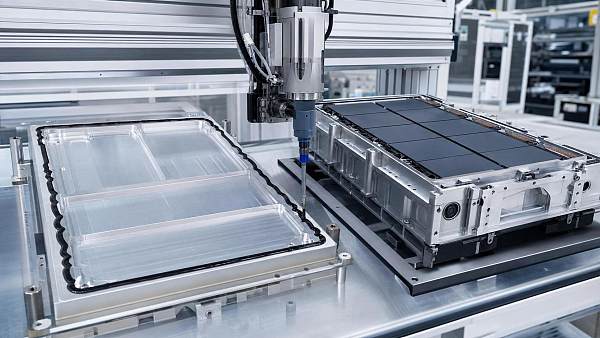
Choosing lightweight bonding solutions for aluminum now shapes more than joint strength.
It changes part weight, production rhythm, corrosion behavior, repair strategy, and long-term cost.
That is why aluminum bonding decisions rarely belong to materials teams alone.
In practice, the right answer depends on how the bonded part will move, heat, vibrate, seal, and age.
Some assemblies need structural load transfer across large surfaces.
Others need clean appearance, thin bond lines, electrical isolation, or fast automated dispensing.
This is where lightweight bonding solutions for aluminum become application-specific rather than generic.
A useful evaluation usually combines polymer behavior, surface preparation, curing conditions, and process control.
That broader view matters across transport, electronics, packaging equipment, energy systems, and automated manufacturing lines.
Why similar aluminum parts can demand different bonding choices
Aluminum looks consistent on paper, yet bonded performance changes quickly with service conditions.
The oxide layer, alloy grade, coating, and contamination profile all affect adhesion stability.
Load direction matters too.
A lap joint under shear behaves very differently from a thin edge bond under peel or impact.
Temperature cycling is another divider.
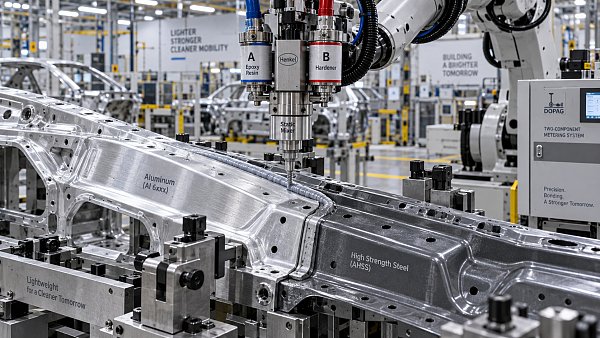
Bonding aluminum to steel, composites, plastics, or glass creates different expansion mismatch risks.
In many lines, lightweight bonding solutions for aluminum must also fit dispensing speed and cure window.
A strong adhesive that slows takt time may still be the wrong production choice.
IADS often frames this issue as a balance between material performance and process reality.
That is a practical way to compare structural adhesives, tapes, hot melt films, or hybrid joining paths.
A quick comparison helps separate the common decision paths
In transport structures, durability usually outranks headline strength
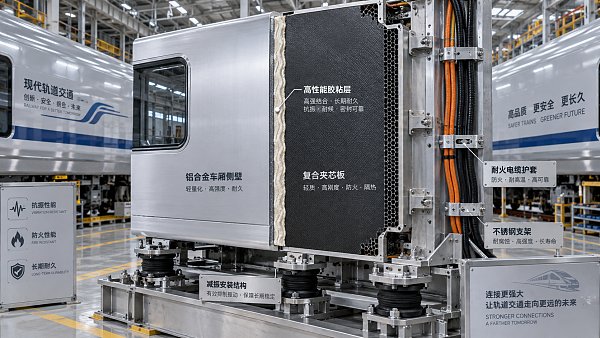
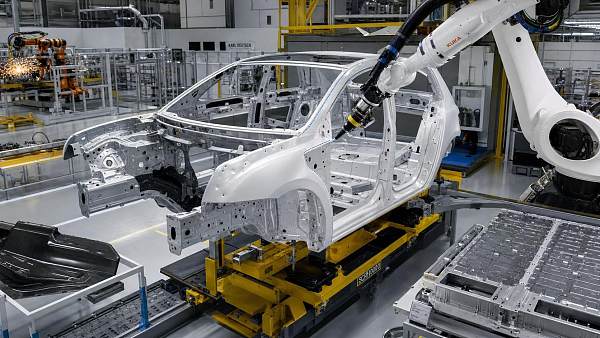
Body panels, enclosure frames, interior modules, and rail assemblies often push aluminum bonding into structural territory.
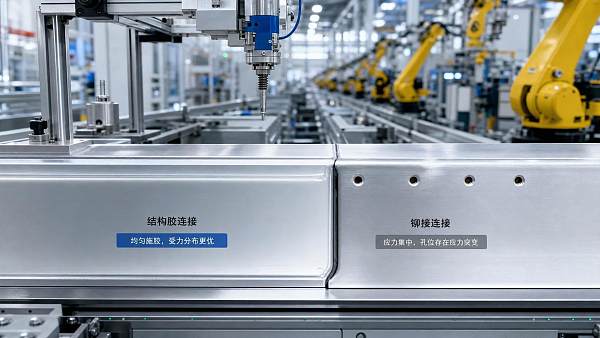
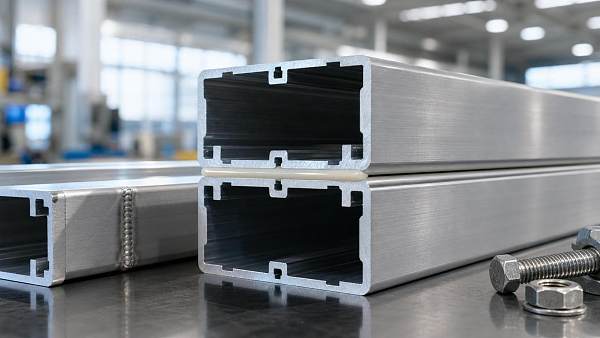
Here, lightweight bonding solutions for aluminum are expected to replace spot welds or reduce rivet count.
The mistake is to compare products only by peak shear data.
Real service life depends more on fatigue performance, impact tolerance, galvanic isolation, and joint geometry.
A 2K epoxy may deliver the stiffness needed for large panel bonding.
Yet a tougher formulation may perform better where vibration and thermal cycling are continuous.
More demanding builds also benefit from controlled bead placement.
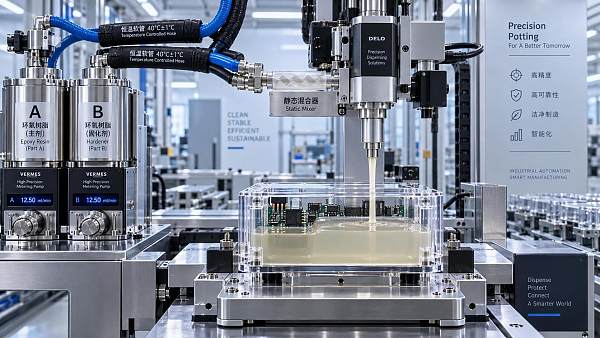
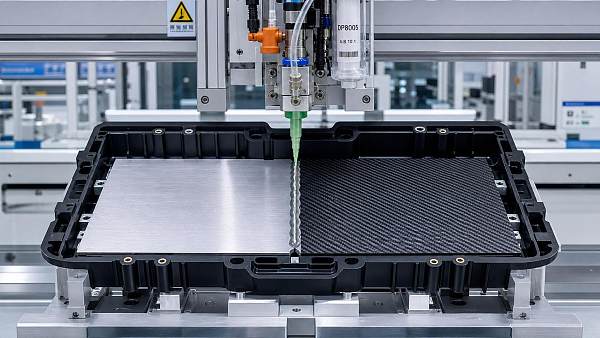
Automated dispensing, static mixing, and repeatable gap control reduce joint variability before testing even begins.
When dissimilar materials meet, the adhesive is often doing two jobs.
It transfers load and limits corrosion pathways between aluminum and adjacent metals.
For electronics and precision assemblies, the process window becomes the real filter
Aluminum frames in consumer devices, control housings, sensors, and compact industrial modules follow another logic.
The bond may not carry vehicle-level loads, but tolerance demands are usually tighter.
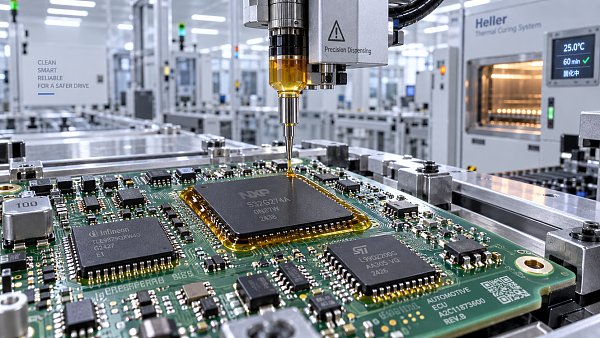
In these lines, lightweight bonding solutions for aluminum are judged by dispensing accuracy, overflow risk, and cure speed.
UV-curing adhesives can be attractive when one-side light access is available.
They support fast fixation and cleaner appearance on visible aluminum parts.
Still, shadow areas, reflective surfaces, and narrow channels can complicate full cure.
That is why cure method must be checked against part design, not selected from speed claims alone.
Where adhesive volume is small, valve technology matters almost as much as formulation.
Jet valves and automated fluid control help keep bead size consistent on thin aluminum edges.
In practice, this consistency protects yield, cosmetic quality, and rework cost at the same time.
Battery housings and thermal assemblies ask for more than simple adhesion
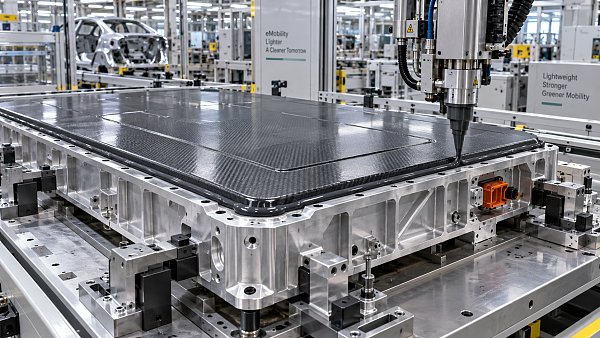
Battery trays, covers, cooling plates, and module frames add another layer of complexity.
Aluminum is chosen for weight and thermal value, but bonding must also support safety functions.
Lightweight bonding solutions for aluminum in this area often need sealing, insulation, and vibration management together.
A rigid structural adhesive can secure the housing.
It may still be unsuitable around cells or connectors if expansion stress builds over repeated cycles.
This is where polyurethane or silicone systems, including thermal potting compounds, may fit better.
They can absorb movement while supporting heat management and flame-related requirements.
A useful review here includes thermal conductivity, dielectric behavior, cure shrinkage, and serviceability.
The right material is rarely the strongest one.
It is the one that survives the whole thermal and mechanical profile without creating new failure points.
Lamination, panels, and enclosures often reward cleaner bonding routes
Not every aluminum assembly needs a high-build structural paste.
Thin panels, decorative layers, insulation stacks, and lightweight covers may benefit more from films or tapes.
In these cases, lightweight bonding solutions for aluminum are selected for uniformity and process cleanliness.
Hot melt adhesive films can provide controlled thickness and low mess during lamination.
Industrial tapes can simplify assembly where loads are moderate and sealing matters.
The judgment point is not whether these options are weaker than epoxies.
It is whether they better match the actual stress profile, visual requirement, and cycle time.
This is especially relevant where zero-VOC or lower-heat processing is becoming part of line planning.
Where selection errors happen most often
Several problems repeat across otherwise different aluminum programs.
- Relying on datasheet strength without checking surface pretreatment and contamination sensitivity.
- Using one bonding method across indoor electronics and outdoor transport parts as if exposure were equivalent.
- Focusing on adhesive unit price while ignoring dispense waste, cure energy, fixturing time, and scrap risk.
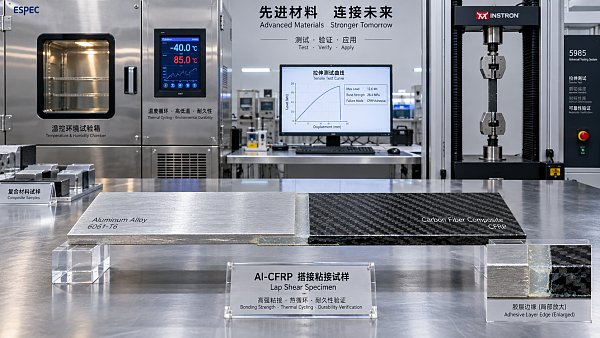
- Assuming aluminum-to-aluminum and aluminum-to-composite joints behave the same under thermal cycling.
- Overlooking compliance and aging requirements such as RoHS, REACH SVHC, or flame-related specifications.
A more reliable path is to validate the full joining system.
That includes adhesive chemistry, dispensing method, cure profile, fixture design, and inspection method.
A practical way to narrow lightweight bonding solutions for aluminum
Before locking a material, it helps to sort the application by a few concrete questions.
- Is the joint mainly structural, sealing-oriented, cosmetic, thermal, or multifunctional?
- What service loads dominate: shear, peel, impact, vibration, or repeated expansion mismatch?
- Can the line support heat cure, room-temperature cure, UV access, or multi-step fixation?
- How repeatable is the dispensing setup for bead width, mix ratio, and gap control?
- Which standards, environmental limits, and maintenance expectations will remain after launch?
This kind of screening turns lightweight bonding solutions for aluminum into a manageable shortlist.
It also makes later testing more meaningful, because the wrong categories are removed early.
For complex programs, the strongest results usually come from comparing bonded samples under real process conditions.
That means actual substrates, realistic bond gaps, production dispensing equipment, and expected environmental cycling.
The value of an intelligence platform such as IADS is not simply listing adhesive types.
It is helping technical teams connect bonding chemistry, dispensing precision, compliance, and total implementation risk.
For the next step, map the aluminum joint by load, environment, cure route, and inspection limits.
Then compare lightweight bonding solutions for aluminum against those conditions before comparing price alone.
Recommended News
 Oct 08, 2026When do automotive adhesive lightweighting applications justify 2K epoxy?Adhesive lightweighting applications automotive: discover when 2K epoxy delivers durable, lightweight structural bonding for mixed-material vehicle designs.
 Sep 28, 2026How material characterization predicts structural adhesive bond durabilityStructural adhesive material characterization reveals how mechanical, thermal, cure, and environmental data predict bond durability—helping engineers select reliable solutions with confidence.
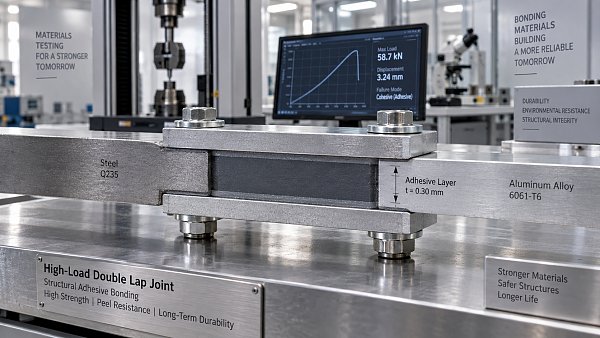
 Sep 25, 2026How to select epoxy structural bonding materials for high-load jointsEpoxy structural bonding materials: learn how to select durable solutions for high-load joints, balancing strength, toughness, surface prep, cure, and environmental resistance.
 Sep 20, 2026When 2K epoxy structural industrial bonding solutions make senseStructural industrial bonding solutions with 2K epoxy help engineers achieve durable, sealed joints for mixed materials. Explore selection, curing, and design insights.
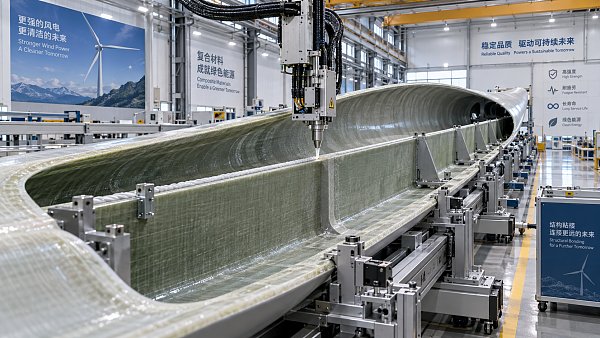
 Sep 18, 2026How bonding applications in wind energy prevent fatigue-related failuresBonding applications in wind energy help prevent fatigue-related failures through durable joint design, crack resistance, cure control, and reliable production processes.
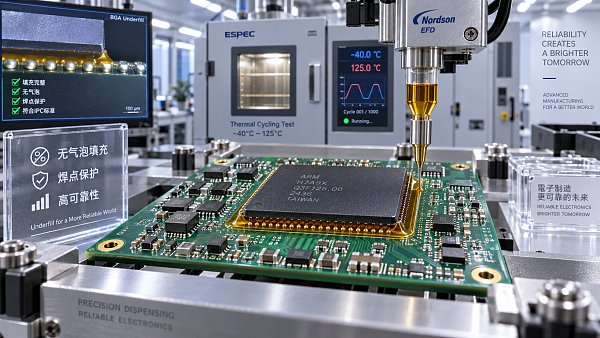
 Sep 23, 2026PCB Underfill Selection Guide for Fine-Pitch Components and Thermal CyclingPCB underfill selection guide for fine-pitch BGAs, CSPs, and flip-chip devices. Compare flow, CTE, modulus, adhesion, curing, and dispensing for reliable thermal cycling performance.
 Sep 23, 2026Circuit Board Level Underfill Market: Growth Drivers and Supply Chain OutlookExplore the electronic circuit board level underfill material market with actionable insights on reliability, dispensing precision, material selection, and supply chain resilience.
 Sep 20, 2026Rail Bonding Solutions for Vibration, Fire Safety, and Long-Term DurabilityBonding solutions for rail: explore proven strategies for vibration resistance, fire safety, durable joints, surface preparation, and production-ready validation.
 Sep 19, 2026Lightweight Adhesives for EVs: Reducing Mass Without Compromising Joint StrengthLight weighting adhesives for EVs help reduce vehicle mass while maintaining joint strength, durability, and production efficiency. Explore smarter bonding solutions for EV designs.
 Sep 15, 2026How fluid control engineering prevents voids in 2K epoxy sealantsFluid control engineering for sealants helps prevent voids in 2K epoxy systems. Explore practical methods for stable metering, mixing, pressure control, and air-free cavity filling.
 Sep 10, 2026When do adhesive lightweighting applications make sense in aerospace?Adhesive lightweighting applications aerospace: learn when bonded joints reduce mass, improve load transfer, and support durable, certifiable aircraft designs.
 Aug 28, 2026How to select an epoxy rail vehicle structural adhesive for fatigue loadsEpoxy rail vehicle structural adhesive selection for fatigue loads: evaluate toughness, joint design, surface prep, curing, and rail compliance for durable bonds.
 Aug 25, 2026When does BGA underfill technology for PCB assembly reduce field failures?BGA underfill technology for pcb assembly reduces field failures when thermal cycling, shock, or board flex drive solder fatigue. Learn when it boosts reliability—and when it adds cost without real gains.
 Aug 11, 2026How to Choose Epoxy Adhesive Systems for Metal Bonding Under Heat and VibrationEpoxy adhesive systems for metal bonding: learn how to compare heat resistance, vibration durability, cure profile, and dispensing fit to choose a more reliable solution.
 Aug 10, 2026Industrial Adhesive Technology Analysis: What Drives Bond Strength and Process Stability?Industrial adhesive technology analysis reveals what drives bond strength and process stability—from chemistry and surface prep to curing and dispensing. Learn how to reduce failure risk.
 Aug 05, 2026How to Evaluate Lightweight Structural Bonding for Composites Under Dynamic LoadsLightweight structural bonding for composites under dynamic loads demands more than static strength. Explore fatigue, impact, surface prep, and process factors to choose durable, weight-saving bonds.
 Jul 14, 2026How to Choose Lightweight Structural Bonding for PlasticsLightweight structural bonding for plastics explained: compare adhesive types, joint design, process control, and durability factors to choose lighter, stronger, production-ready assemblies.
 Jul 13, 2026Choosing an Adhesive for Automotive Supplier ProgramsAdhesive for automotive supplier programs affects strength, process stability, compliance, and launch risk. Learn how to choose the right solution for reliable, scalable production.
 Jul 11, 2026Automotive Adhesive Bonding Process: Key Steps That Prevent Bond FailureAutomotive adhesive bonding process essentials: learn the key steps that prevent bond failure, improve durability, and optimize surface prep, dispensing, and cure control in automotive assembly.
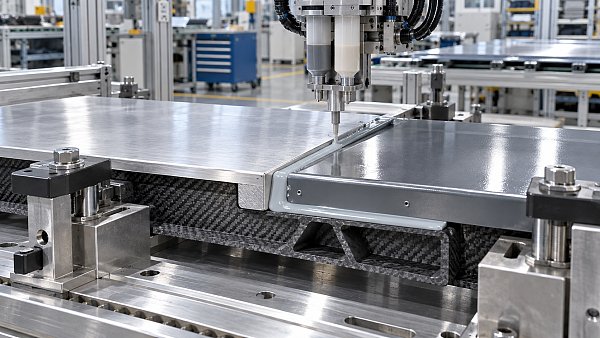
 Jul 09, 2026When Structural Adhesives Can Replace Riveting in Metal AssembliesStructural adhesive replacement riveting: learn when bonded metal assemblies can outperform rivets in fatigue, corrosion control, weight reduction, and automation.
 Jul 08, 2026Best Ways to Bond Dissimilar Material Composites Without CrackingDissimilar material bonding composites: learn how to prevent cracks in metal, plastic, battery, and laminate assemblies with smarter adhesive, process, and stress-control strategies.
![]() Jul 07, 2026How Lap Shear Testing Reveals Structural Adhesive Joint Failure RisksLap shear structural adhesive joint testing reveals hidden failure risks before launch. Learn how process conditions, substrates, and aging affect joint reliability.
Jul 07, 2026How Lap Shear Testing Reveals Structural Adhesive Joint Failure RisksLap shear structural adhesive joint testing reveals hidden failure risks before launch. Learn how process conditions, substrates, and aging affect joint reliability. Jul 06, 2026Can Automotive Adhesive Replace Welding in Body Assembly?Automotive adhesive replacement for welding can improve multi-material body assembly with better sealing, lower corrosion risk, and more design flexibility. See where bonding beats welding.
 Jul 04, 2026Structural Bonding for Aluminum: When 2K Epoxy Outperforms Welding and FastenersStructural bonding for aluminum with 2K epoxy can outperform welding and fasteners by reducing distortion, corrosion risk, and weight—see where it delivers stronger ROI.


Editor's Selection
The Archive Newsletter
Critical industrial intelligence delivered every Tuesday. Peer-reviewed summaries of the week's most impactful logistics and market shifts.