Automotive Bonding Solutions: When 2K Epoxy Beats Mechanical Fasteners
by
Published
Views:
Automotive Bonding Solutions: When 2K Epoxy Beats Mechanical Fasteners
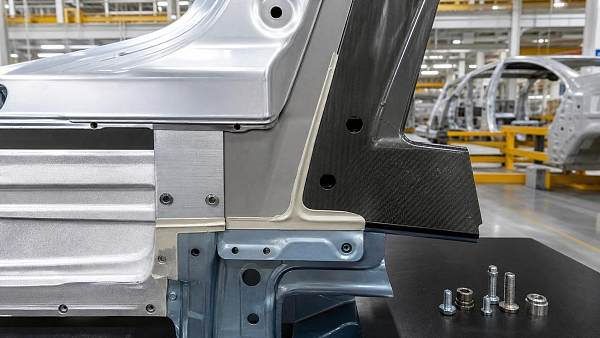
For project leaders balancing strength, weight, speed, and cost, choosing the right joining method is critical.
In today’s automotive bonding solutions landscape, 2K epoxy often outperforms mechanical fasteners.
That shift is not just about replacing bolts or rivets.
It reflects new demands in lightweight design, mixed-material structures, durability, and manufacturing efficiency.
In real automotive bonding solutions decisions, the question is rarely adhesive versus fastener in isolation.
The real question is where 2K epoxy creates measurable value across the whole assembly process.
That includes design freedom, load distribution, corrosion control, automation fit, and total lifecycle cost.
Why Automotive Bonding Solutions Are Moving Beyond Fasteners
Mechanical fasteners still have clear value.
They are familiar, inspectable, and easy to service in many assemblies.
But modern vehicle platforms are changing the selection logic behind automotive bonding solutions.
Body structures now combine aluminum, steel, composites, plastics, and coated substrates.
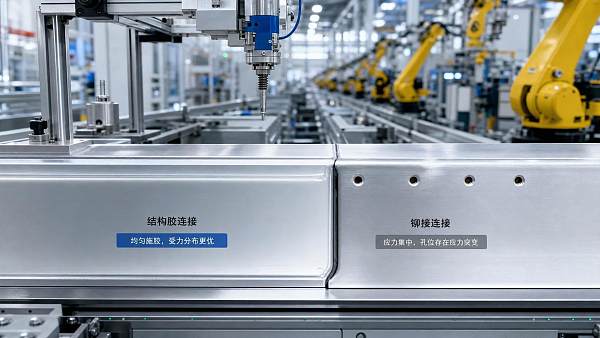
Fasteners create point loads and require holes.
Those holes can weaken thin materials, introduce stress concentration, and increase corrosion risk.
2K epoxy changes that equation by spreading stress across a larger bonded area.
This is one reason automotive bonding solutions have gained attention in crash-relevant and semi-structural zones.
The joint becomes part of the design, not just a hardware attachment point.
What 2K Epoxy Brings to the Decision
- High shear strength across broad bond lines.
- Better compatibility with dissimilar materials.
- Sealing and bonding in one process step.
- Reduced vibration noise compared with rigid fastening points.
- Cleaner surfaces and more aerodynamic part integration.
- Lower risk of galvanic corrosion between unlike metals.
When 2K Epoxy Clearly Beats Mechanical Fasteners
Not every joint should switch to adhesive bonding.
Still, several situations strongly favor 2K epoxy in automotive bonding solutions.
1. Multi-Material Assembly
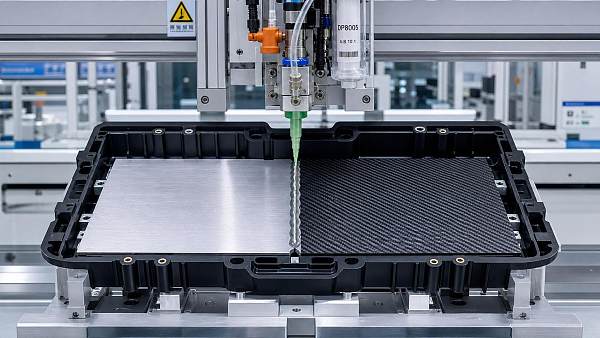
Joining aluminum to composite is rarely ideal with conventional fastening alone.
2K epoxy supports mixed-substrate bonding while reducing localized damage around drilled holes.
2. Lightweight Structures
Weight savings rarely come from one dramatic change.
They come from repeated small gains across many parts and joints.
Automotive bonding solutions using 2K epoxy can remove brackets, reduce overlap length, and cut hardware count.
3. Fatigue and Vibration Exposure
Fasteners concentrate movement at specific points.
2K epoxy distributes dynamic loads more evenly, improving fatigue performance in many bonded designs.
4. Corrosion-Sensitive Designs
Fastener holes expose edges and interfaces.
Bonded joints help isolate surfaces, which supports long-term corrosion resistance in harsh environments.
5. Surface Appearance and Packaging Constraints
Visible fasteners may hurt styling goals or block tighter packaging layouts.
This is where automotive bonding solutions add design freedom that hardware cannot match.
Where Mechanical Fasteners Still Win
A good selection process also needs boundaries.
Automotive bonding solutions should not be pushed into the wrong use case.
- Frequent disassembly or field service access favors removable fasteners.
- Very high peel loads may require redesign or hybrid joining.
- Poor surface control can weaken adhesive reliability.
- Extremely short takt time may need snap-fit or instant mechanical retention.
- Some safety-critical joints still require mechanical backup by specification.
In practice, many strong automotive bonding solutions are hybrid, combining 2K epoxy with rivets or spot welds.
Key Evaluation Criteria Before Switching
The strongest business case comes from disciplined screening.
Before approving new automotive bonding solutions, evaluate the joint as a system.
Material Pairing
Check substrate chemistry, coatings, oils, surface energy, and thermal expansion mismatch.
A strong adhesive cannot overcome poor surface compatibility forever.
Load Profile
Map shear, peel, impact, and fatigue loads early.
This step often determines whether pure adhesive bonding is enough.
Process Window
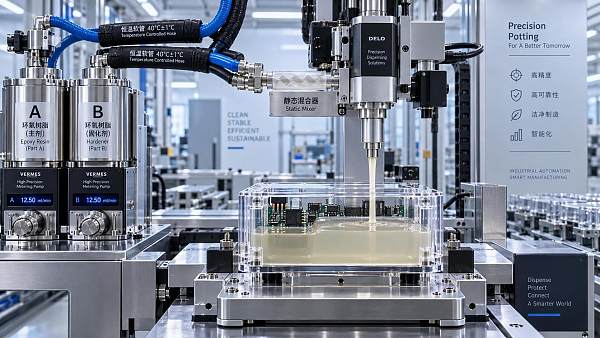
2K epoxy depends on mix ratio accuracy, pot life, fixture time, and cure schedule.
Those factors must fit line speed, operator skill, and dispensing control.
Environmental Resistance
Test for heat, humidity, salt spray, fluid exposure, and thermal cycling.
Real automotive bonding solutions succeed under combined stress, not ideal lab conditions.
Inspection and Quality Control
Hardware is easy to see.
Bond quality needs process monitoring, bead control, surface preparation checks, and cure verification.
A Practical Comparison for Selection Teams
Hidden Cost Factors Often Missed Early
Unit material price can mislead selection teams.
The better comparison looks at installed cost and downstream savings.
- Drilling, punching, and fastening equipment add cost and maintenance.
- Extra hardware increases inventory complexity.
- Corrosion claims and fatigue failures can be expensive later.
- Bonded designs may reduce part count and simplify assembly geometry.
- Dispensing systems need process validation, but they also improve repeatability.
This is why mature automotive bonding solutions are usually justified by total system economics.
A Simple Decision Framework
A practical review process helps avoid emotional or legacy-driven choices.
- Define the joint function, including structural and sealing requirements.
- List substrate combinations and expected environmental exposure.
- Compare failure modes of 2K epoxy, fasteners, and hybrid options.
- Check takt time, cure time, and dispensing capability.
- Validate with shear, peel, fatigue, and thermal cycling tests.
- Model total cost, including tooling, quality, warranty, and weight impact.
If a joint needs distributed strength, corrosion protection, and cleaner packaging, 2K epoxy deserves serious attention.
If it needs removability and instant service access, fasteners may remain the better option.
Final Takeaway
The best automotive bonding solutions are not chosen by habit.
They are chosen by how well they support design goals, production reality, and long-term performance.
2K epoxy beats mechanical fasteners when the joint benefits from load distribution, multi-material compatibility, sealing, and weight reduction.
The strongest decisions come from testing, process discipline, and clear cost modeling.
For teams reviewing future vehicle platforms, now is the right time to recheck old fastening assumptions.
A focused joint-by-joint review often reveals where smarter automotive bonding solutions create the biggest return.
Recommended News
 Sep 18, 2026How bonding applications in wind energy prevent fatigue-related failuresBonding applications in wind energy help prevent fatigue-related failures through durable joint design, crack resistance, cure control, and reliable production processes.
 Sep 19, 2026Lightweight Adhesives for EVs: Reducing Mass Without Compromising Joint StrengthLight weighting adhesives for EVs help reduce vehicle mass while maintaining joint strength, durability, and production efficiency. Explore smarter bonding solutions for EV designs.
 Sep 15, 2026How fluid control engineering prevents voids in 2K epoxy sealantsFluid control engineering for sealants helps prevent voids in 2K epoxy systems. Explore practical methods for stable metering, mixing, pressure control, and air-free cavity filling.
 Sep 10, 2026When do adhesive lightweighting applications make sense in aerospace?Adhesive lightweighting applications aerospace: learn when bonded joints reduce mass, improve load transfer, and support durable, certifiable aircraft designs.
 Aug 28, 2026How to select an epoxy rail vehicle structural adhesive for fatigue loadsEpoxy rail vehicle structural adhesive selection for fatigue loads: evaluate toughness, joint design, surface prep, curing, and rail compliance for durable bonds.
 Aug 25, 2026When does BGA underfill technology for PCB assembly reduce field failures?BGA underfill technology for pcb assembly reduces field failures when thermal cycling, shock, or board flex drive solder fatigue. Learn when it boosts reliability—and when it adds cost without real gains.
 Aug 11, 2026How to Choose Epoxy Adhesive Systems for Metal Bonding Under Heat and VibrationEpoxy adhesive systems for metal bonding: learn how to compare heat resistance, vibration durability, cure profile, and dispensing fit to choose a more reliable solution.
 Aug 10, 2026Industrial Adhesive Technology Analysis: What Drives Bond Strength and Process Stability?Industrial adhesive technology analysis reveals what drives bond strength and process stability—from chemistry and surface prep to curing and dispensing. Learn how to reduce failure risk.
 Aug 05, 2026How to Evaluate Lightweight Structural Bonding for Composites Under Dynamic LoadsLightweight structural bonding for composites under dynamic loads demands more than static strength. Explore fatigue, impact, surface prep, and process factors to choose durable, weight-saving bonds.
 Jul 14, 2026How to Choose Lightweight Structural Bonding for PlasticsLightweight structural bonding for plastics explained: compare adhesive types, joint design, process control, and durability factors to choose lighter, stronger, production-ready assemblies.
 Jul 13, 2026Choosing an Adhesive for Automotive Supplier ProgramsAdhesive for automotive supplier programs affects strength, process stability, compliance, and launch risk. Learn how to choose the right solution for reliable, scalable production.
 Jul 11, 2026Automotive Adhesive Bonding Process: Key Steps That Prevent Bond FailureAutomotive adhesive bonding process essentials: learn the key steps that prevent bond failure, improve durability, and optimize surface prep, dispensing, and cure control in automotive assembly.
 Jul 09, 2026When Structural Adhesives Can Replace Riveting in Metal AssembliesStructural adhesive replacement riveting: learn when bonded metal assemblies can outperform rivets in fatigue, corrosion control, weight reduction, and automation.
 Jul 08, 2026Best Ways to Bond Dissimilar Material Composites Without CrackingDissimilar material bonding composites: learn how to prevent cracks in metal, plastic, battery, and laminate assemblies with smarter adhesive, process, and stress-control strategies.
![]() Jul 07, 2026How Lap Shear Testing Reveals Structural Adhesive Joint Failure RisksLap shear structural adhesive joint testing reveals hidden failure risks before launch. Learn how process conditions, substrates, and aging affect joint reliability.
Jul 07, 2026How Lap Shear Testing Reveals Structural Adhesive Joint Failure RisksLap shear structural adhesive joint testing reveals hidden failure risks before launch. Learn how process conditions, substrates, and aging affect joint reliability. Jul 06, 2026Can Automotive Adhesive Replace Welding in Body Assembly?Automotive adhesive replacement for welding can improve multi-material body assembly with better sealing, lower corrosion risk, and more design flexibility. See where bonding beats welding.
 Jul 04, 2026Structural Bonding for Aluminum: When 2K Epoxy Outperforms Welding and FastenersStructural bonding for aluminum with 2K epoxy can outperform welding and fasteners by reducing distortion, corrosion risk, and weight—see where it delivers stronger ROI.
 Jul 03, 2026How to Choose Adhesive for Automotive Trim That Survives Heat and VibrationAdhesive for automotive trim selection made practical: learn how to choose solutions that resist heat, vibration, aging, and substrate mismatch for durable, cleaner-looking bonds.
 Jul 01, 2026Wind Blade Web Bonding: Common Gaps That Weaken StrengthWind blade web bonding failures often start with small gaps. Learn the most common causes, structural risks, and practical fixes to improve bond strength and reduce rework.
 Jul 01, 2026Wind Blade Bonding: How to Reduce Joint Failure RiskWind blade bonding best practices to reduce joint failure risk. Learn how adhesive choice, surface prep, bondline control, and curing improve blade reliability and long-term performance.
 Jun 30, 2026When Fatigue Resistant Structural Bonding Pays OffFatigue resistant structural bonding pays off when vibration, thermal cycling, and repeated loads make joint failure costly. Learn how it cuts lifecycle cost and improves reliability.
 Jun 30, 2026Lightweight Bonding Solutions for Aluminum: What Matters MostLightweight bonding solutions for aluminum: discover how to match adhesives, films, and tapes to load, heat, corrosion, and production speed for stronger, smarter assemblies.
 Jun 29, 2026ECHA Adds 3 SVHCs, Including a 2K Epoxy AdditiveECHA adds 3 SVHCs, including a 2K epoxy additive under REACH. Learn how the June 28 update affects EU adhesive exporters, importers, and Q3 2026 compliance planning.
 Jun 28, 2026Adhesive Joint Evaluation: Key Tests for Strength and ReliabilityAdhesive joint evaluation explains the key tests for bond strength and long-term reliability, from shear and peel to fatigue and environmental aging—essential reading for better quality and safer products.


Editor's Selection
The Archive Newsletter
Critical industrial intelligence delivered every Tuesday. Peer-reviewed summaries of the week's most impactful logistics and market shifts.