Dissimilar Material Bonding Solutions for Heat and Vibration
by
Published
Views:
Where heat and vibration change the bonding decision
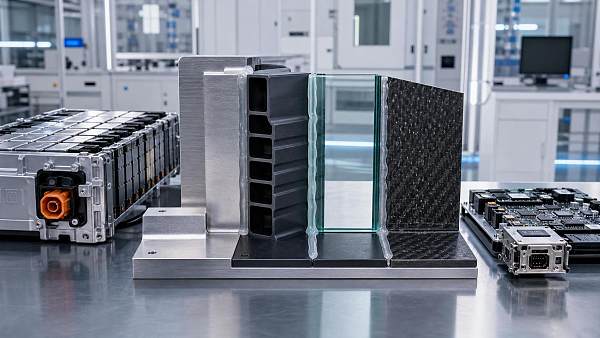
Selecting dissimilar material bonding solutions becomes more demanding when assemblies face both thermal cycling and repeated vibration.
The issue is rarely simple adhesion alone. Metal, plastic, glass, and composite parts expand at different rates and move under load.
That mismatch creates peel stress, edge cracking, and gradual fatigue. A bond that looks strong in a static test may still fail in service.
In practice, dissimilar material bonding solutions are judged by how well they absorb movement, manage heat, and fit the production process.
This is why the same adhesive family does not suit every assembly. A battery module, rail enclosure, and compact electronic sensor behave very differently.
Across industrial bonding and dispensing work, the better approach is to start from the use condition, then match chemistry, joint design, and dispensing control.
Actual applications rarely fail for the same reason
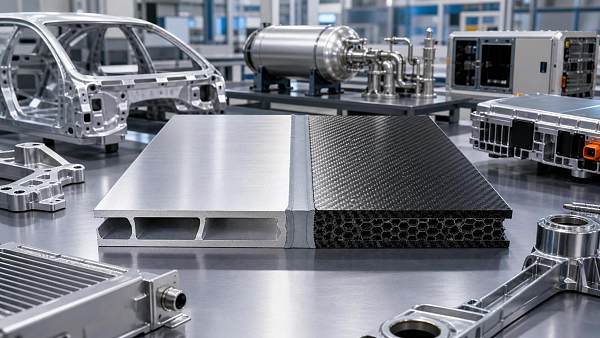
Different assemblies ask different things from dissimilar material bonding solutions, even when the substrate combination looks similar on paper.
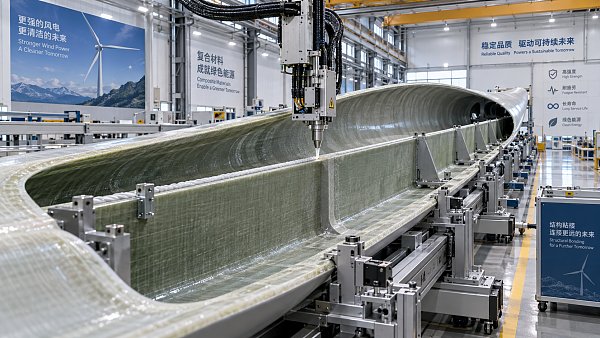
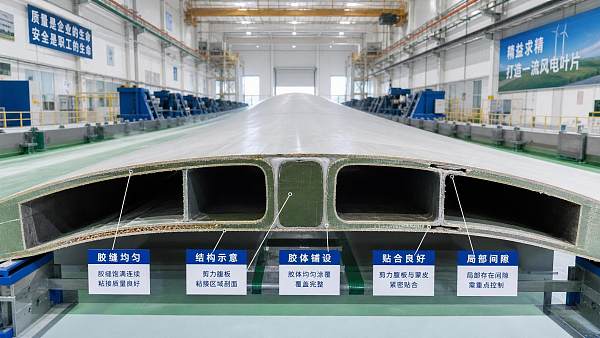
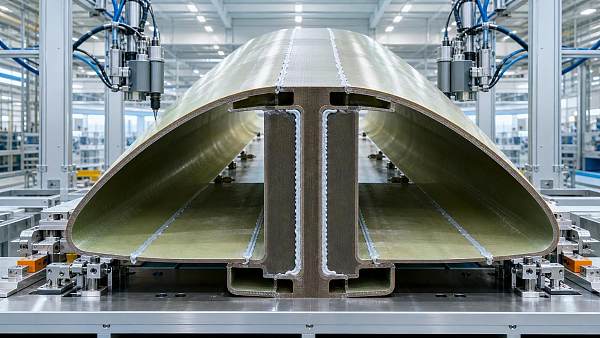
An aluminum-to-composite bond in a wind-related structure usually sees long-term outdoor exposure and low-frequency flexing.
An aluminum-to-engineering-plastic bond in electronics may see faster thermal cycling, tighter bond lines, and more pressure on takt time.
That difference matters. One case may need higher elongation and moisture resistance. Another may need low outgassing, precise dispensing, and faster cure.
Platforms focused on adhesives and fluid control often treat these questions together because material choice and dispensing behavior are closely linked.
A bond can be technically suitable yet unstable in mass production if viscosity drift, mix ratio variation, or poor surface preparation are ignored.
A quick way to compare scenario priorities
Before selecting dissimilar material bonding solutions, it helps to compare what each environment stresses most.
When battery and power assemblies need more than strength
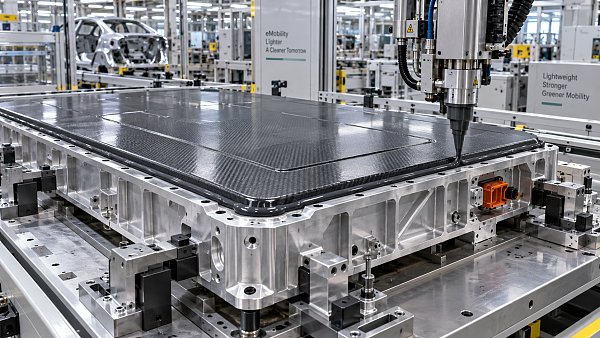
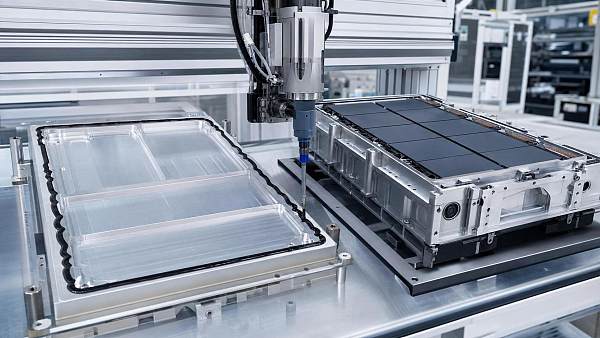
Battery-related assemblies are a common test case for dissimilar material bonding solutions because thermal and mechanical demands arrive together.
Metal trays, composite covers, cell frames, and thermal interface layers do not move at the same rate during charge, discharge, and road shock.
Here, a rigid adhesive may deliver attractive lap shear values but create stress concentration at corners after repeated thermal cycling.
More stable dissimilar material bonding solutions often combine structural support with some flexibility, controlled gap filling, and thermal performance.
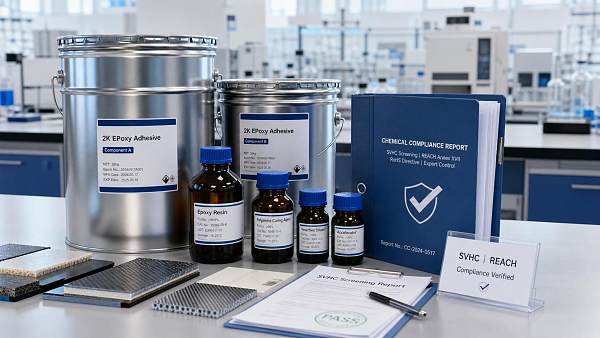
2K epoxy systems are often chosen where strength and chemical resistance are critical. Toughened polyurethane or silicone systems fit joints needing movement tolerance.
The better decision usually depends on whether the bond line must transfer heat, isolate vibration, seal moisture, or do all three together.
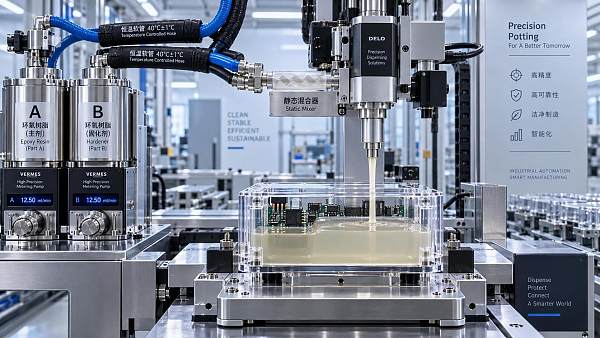
This is also where dispensing matters. Inconsistent ratio control or voids in the bead can reduce thermal contact and accelerate crack initiation.
What deserves closer review in this setting
- Check coefficient of thermal expansion mismatch, not only nominal bond strength.
- Confirm flame retardancy, dielectric behavior, and environmental compliance together.
- Review pot life and cure profile against actual line speed and fixture limits.
- Verify whether the dispensing system can hold bead geometry under volume variation.
Compact electronics usually need low-stress bonding, not oversized rigidity
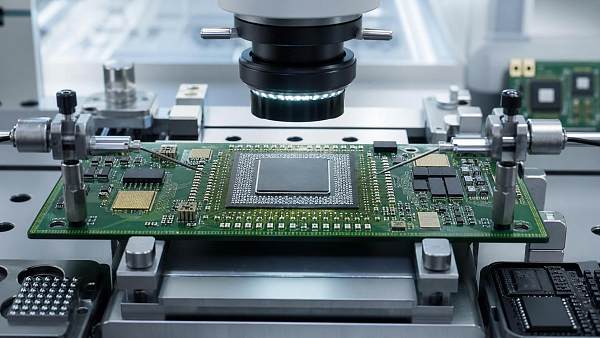
In electronics, dissimilar material bonding solutions are often used between metal frames, glass, engineered plastics, and sensitive components.
The challenge here is different from large structural assemblies. Heat is cyclical, space is limited, and excess stress can damage nearby devices.
A strong bond that shrinks too much during cure may distort optics, shift alignment, or transfer vibration into a fragile package.
That is why low-stress UV adhesives, flexible encapsulants, and controlled underfill materials often appear in these dissimilar material bonding solutions.
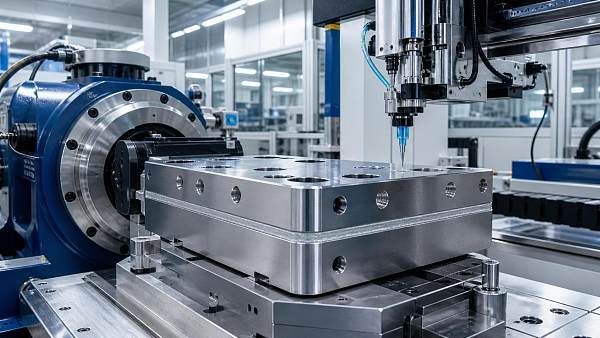
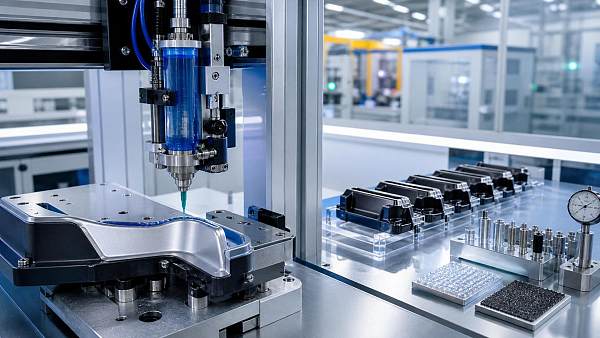
The material decision should also follow the dispensing method. Jet valves support fast, precise placement, but not every adhesive rheology is jet-friendly.
For camera modules, display bonding, or sensor housings, a repeatable micro-volume deposit can matter as much as the adhesive chemistry itself.
In these lines, faster cure is valuable only when shadow areas, substrate transparency, and final bond depth have been checked carefully.
Large panels and transport structures behave differently over time
Panels in transportation, equipment enclosures, and composite structures often experience lower frequency motion but longer service life.
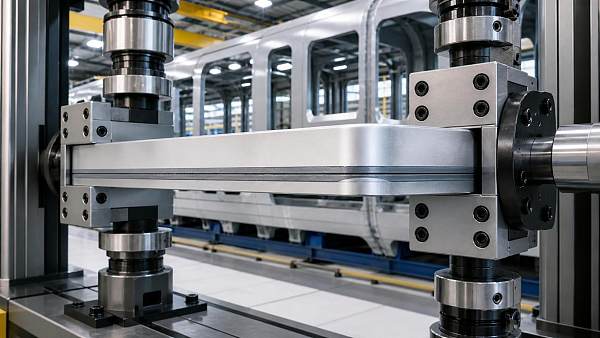
Dissimilar material bonding solutions in these settings must handle thermal expansion mismatch across wider bond areas and changing outdoor conditions.
The common mistake is selecting a chemistry from a small coupon test and assuming scale will not change the stress profile.
On larger surfaces, joint geometry, adhesive thickness, and surface energy variation can shift performance more than expected.
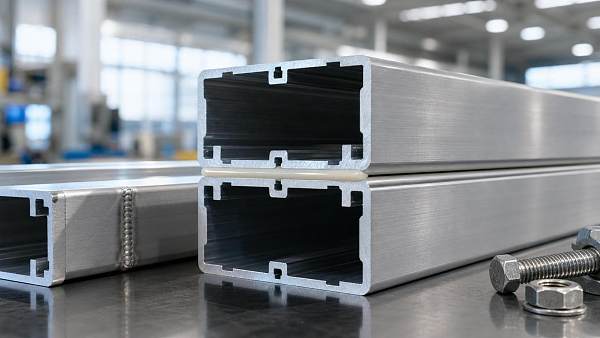
Structural tapes, hot melt films, and liquid adhesives may all be valid dissimilar material bonding solutions, but they solve different manufacturing problems.
Films and tapes can improve cleanliness and thickness consistency. Liquid systems better handle complex gaps and mixed surface conditions.
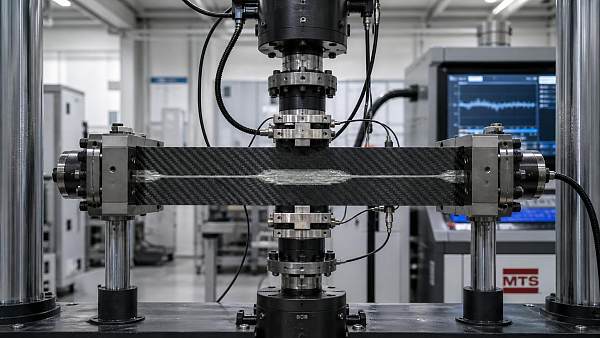
Where service vibration is continuous, fatigue behavior, peel resistance, and resistance to moisture ingress deserve more attention than headline strength values.
A practical comparison before final selection
The following checkpoints help narrow down dissimilar material bonding solutions without relying on one test result.
Where many projects misread dissimilar material bonding solutions
One frequent misjudgment is treating similar substrates as identical applications. Aluminum-to-plastic bonding in a sealed module is not the same as an exposed panel.
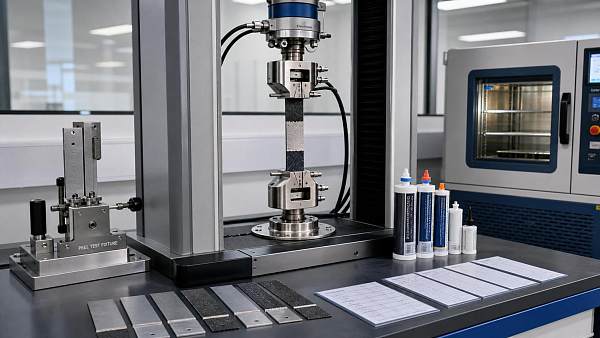
Another is choosing dissimilar material bonding solutions from datasheet peaks without checking fatigue, peel behavior, or real cure conditions.
Process details are also underestimated. Dispensing precision, static mixing quality, and fixture timing can decide whether a qualified adhesive stays qualified on the line.
Cost is often misread as well. A lower-priced material may create higher scrap, longer curing queues, or extra surface treatment steps.
In practical evaluation, the more reliable route is to compare total implementation burden rather than only material price per kilogram.
How to build a better fit before scaling production
A strong selection process for dissimilar material bonding solutions starts with a short list of real service conditions.
Define the substrate pair, expected temperature range, vibration profile, allowable movement, chemical exposure, and target life.
Then review whether the joint needs structural load transfer, thermal conductivity, sealing, electrical insulation, or fast automated dispensing.
This is where a cross-view helps. Bonding chemistry, dispensing equipment, and compliance requirements should be checked together, not in isolation.
In many industrial programs, the best dissimilar material bonding solutions come from small comparative trials using production-like parts and realistic cure conditions.
For the next step, map each application by heat load, vibration severity, bond line tolerance, and process speed, then compare options against those limits.
That approach usually reveals whether the better answer is a toughened epoxy, flexible polyurethane, silicone system, UV adhesive, film, tape, or a combined bonding process.
When those conditions are clear, dissimilar material bonding solutions become easier to validate, easier to automate, and less likely to fail after launch.
Recommended News
 Sep 18, 2026How bonding applications in wind energy prevent fatigue-related failuresBonding applications in wind energy help prevent fatigue-related failures through durable joint design, crack resistance, cure control, and reliable production processes.
 Sep 19, 2026Lightweight Adhesives for EVs: Reducing Mass Without Compromising Joint StrengthLight weighting adhesives for EVs help reduce vehicle mass while maintaining joint strength, durability, and production efficiency. Explore smarter bonding solutions for EV designs.
 Sep 15, 2026How fluid control engineering prevents voids in 2K epoxy sealantsFluid control engineering for sealants helps prevent voids in 2K epoxy systems. Explore practical methods for stable metering, mixing, pressure control, and air-free cavity filling.
 Sep 10, 2026When do adhesive lightweighting applications make sense in aerospace?Adhesive lightweighting applications aerospace: learn when bonded joints reduce mass, improve load transfer, and support durable, certifiable aircraft designs.
 Aug 28, 2026How to select an epoxy rail vehicle structural adhesive for fatigue loadsEpoxy rail vehicle structural adhesive selection for fatigue loads: evaluate toughness, joint design, surface prep, curing, and rail compliance for durable bonds.
 Aug 25, 2026When does BGA underfill technology for PCB assembly reduce field failures?BGA underfill technology for pcb assembly reduces field failures when thermal cycling, shock, or board flex drive solder fatigue. Learn when it boosts reliability—and when it adds cost without real gains.
 Aug 11, 2026How to Choose Epoxy Adhesive Systems for Metal Bonding Under Heat and VibrationEpoxy adhesive systems for metal bonding: learn how to compare heat resistance, vibration durability, cure profile, and dispensing fit to choose a more reliable solution.
 Aug 10, 2026Industrial Adhesive Technology Analysis: What Drives Bond Strength and Process Stability?Industrial adhesive technology analysis reveals what drives bond strength and process stability—from chemistry and surface prep to curing and dispensing. Learn how to reduce failure risk.
 Aug 05, 2026How to Evaluate Lightweight Structural Bonding for Composites Under Dynamic LoadsLightweight structural bonding for composites under dynamic loads demands more than static strength. Explore fatigue, impact, surface prep, and process factors to choose durable, weight-saving bonds.
 Jul 14, 2026How to Choose Lightweight Structural Bonding for PlasticsLightweight structural bonding for plastics explained: compare adhesive types, joint design, process control, and durability factors to choose lighter, stronger, production-ready assemblies.
 Jul 13, 2026Choosing an Adhesive for Automotive Supplier ProgramsAdhesive for automotive supplier programs affects strength, process stability, compliance, and launch risk. Learn how to choose the right solution for reliable, scalable production.
 Jul 11, 2026Automotive Adhesive Bonding Process: Key Steps That Prevent Bond FailureAutomotive adhesive bonding process essentials: learn the key steps that prevent bond failure, improve durability, and optimize surface prep, dispensing, and cure control in automotive assembly.
 Jul 09, 2026When Structural Adhesives Can Replace Riveting in Metal AssembliesStructural adhesive replacement riveting: learn when bonded metal assemblies can outperform rivets in fatigue, corrosion control, weight reduction, and automation.
 Jul 08, 2026Best Ways to Bond Dissimilar Material Composites Without CrackingDissimilar material bonding composites: learn how to prevent cracks in metal, plastic, battery, and laminate assemblies with smarter adhesive, process, and stress-control strategies.
![]() Jul 07, 2026How Lap Shear Testing Reveals Structural Adhesive Joint Failure RisksLap shear structural adhesive joint testing reveals hidden failure risks before launch. Learn how process conditions, substrates, and aging affect joint reliability.
Jul 07, 2026How Lap Shear Testing Reveals Structural Adhesive Joint Failure RisksLap shear structural adhesive joint testing reveals hidden failure risks before launch. Learn how process conditions, substrates, and aging affect joint reliability. Jul 06, 2026Can Automotive Adhesive Replace Welding in Body Assembly?Automotive adhesive replacement for welding can improve multi-material body assembly with better sealing, lower corrosion risk, and more design flexibility. See where bonding beats welding.
 Jul 04, 2026Structural Bonding for Aluminum: When 2K Epoxy Outperforms Welding and FastenersStructural bonding for aluminum with 2K epoxy can outperform welding and fasteners by reducing distortion, corrosion risk, and weight—see where it delivers stronger ROI.
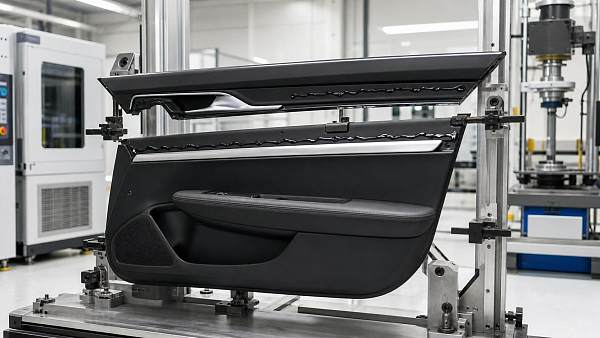
 Jul 03, 2026How to Choose Adhesive for Automotive Trim That Survives Heat and VibrationAdhesive for automotive trim selection made practical: learn how to choose solutions that resist heat, vibration, aging, and substrate mismatch for durable, cleaner-looking bonds.
 Jul 01, 2026Wind Blade Web Bonding: Common Gaps That Weaken StrengthWind blade web bonding failures often start with small gaps. Learn the most common causes, structural risks, and practical fixes to improve bond strength and reduce rework.
 Jul 01, 2026Wind Blade Bonding: How to Reduce Joint Failure RiskWind blade bonding best practices to reduce joint failure risk. Learn how adhesive choice, surface prep, bondline control, and curing improve blade reliability and long-term performance.
 Jun 30, 2026When Fatigue Resistant Structural Bonding Pays OffFatigue resistant structural bonding pays off when vibration, thermal cycling, and repeated loads make joint failure costly. Learn how it cuts lifecycle cost and improves reliability.
 Jun 30, 2026Lightweight Bonding Solutions for Aluminum: What Matters MostLightweight bonding solutions for aluminum: discover how to match adhesives, films, and tapes to load, heat, corrosion, and production speed for stronger, smarter assemblies.
 Jun 29, 2026ECHA Adds 3 SVHCs, Including a 2K Epoxy AdditiveECHA adds 3 SVHCs, including a 2K epoxy additive under REACH. Learn how the June 28 update affects EU adhesive exporters, importers, and Q3 2026 compliance planning.
 Jun 28, 2026Adhesive Joint Evaluation: Key Tests for Strength and ReliabilityAdhesive joint evaluation explains the key tests for bond strength and long-term reliability, from shear and peel to fatigue and environmental aging—essential reading for better quality and safer products.


Editor's Selection
The Archive Newsletter
Critical industrial intelligence delivered every Tuesday. Peer-reviewed summaries of the week's most impactful logistics and market shifts.